



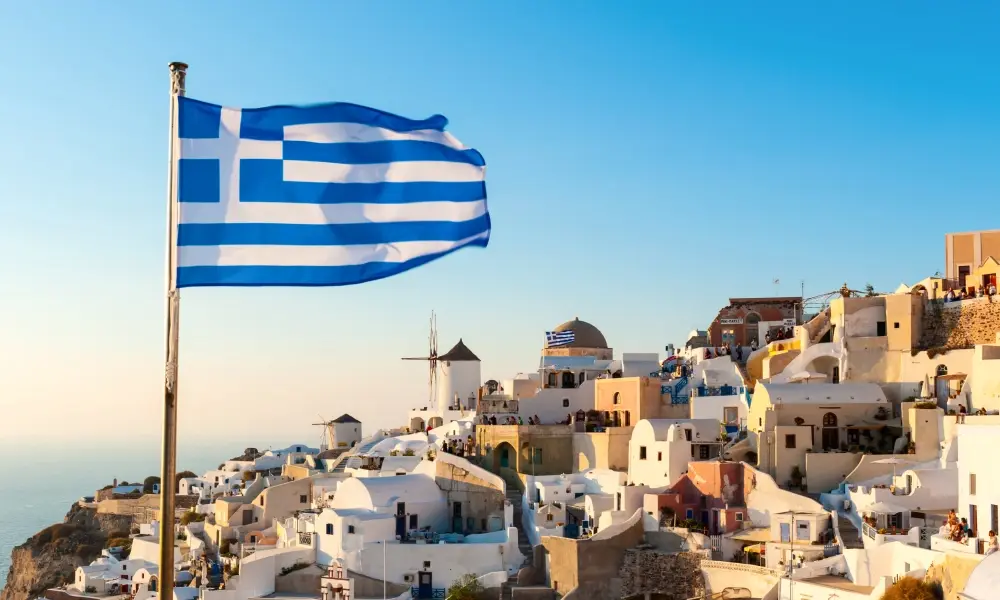
History comes alive at every turn in Greece: ancient ruins and classical temples sit side-by-side with vibrant, modern, cosmopolitan cities. It’s a country where traditions from countless eras intertwine to create a truly unique atmosphere.
Immersing yourself in Greek culture isn’t just about expanding your horizons; it’s essential for anyone planning to visit or live in Greece. Genuinely understanding the country requires more than visiting its iconic landmarks or museums. You need to delve into the Greek mindset, learn about their holidays and customs, savour traditional dishes, enjoy live music, and observe how locals live.
In this article, we’ll explore what makes Greece so unique: its renowned history, vibrant culture, enduring traditions, and the daily life of its people.
Greece’s Historical Legacy
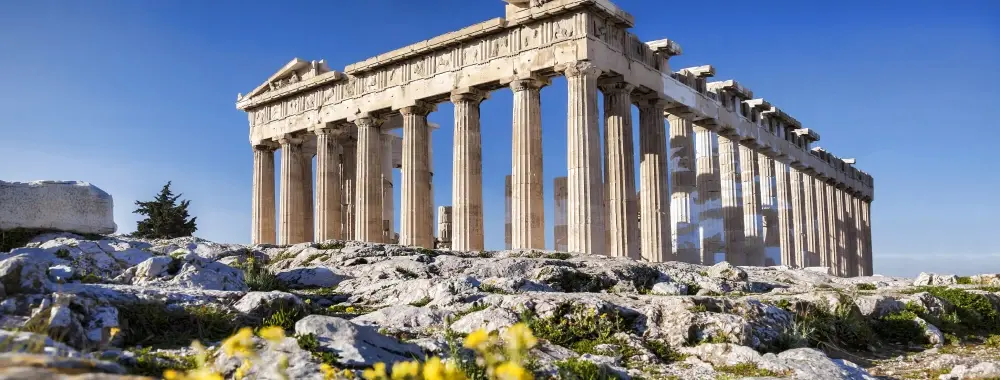
Ancient Greece is often called the cradle of Western civilisation. Philosophy, art, literature, economics, rhetoric, and mathematics have roots here and profoundly influenced humanity’s development. To this day, we use the Greek alphabet, read Homer’s epics, marvel at the sculptures of Ageladas, admire temples of the Olympian gods, and learn from Socrates’s wisdom.
The Byzantine Empire endured for over a millennium, leaving a significant mark on Greek culture. With its grand cathedrals and mosaics, Byzantine architecture turns cities like Thessaloniki, Mystras, and Meteora into open-air museums. Byzantine art remains central to Greece’s religious and cultural identity, especially in iconography and church music.
Greece was under Ottoman rule for nearly four centuries, leaving traces in its architecture. Ottoman mosques, baths, and fountains are familiar sights in cities like Thessaloniki and Chania, including landmarks like the Küçük Hasan Mosque and the Fethiye Mosque.
Today, Greece balances its ancient identity with modern influences, blending the culture of classical Greece, the legacy of global civilisations, and contemporary trends.
Greek Traditions
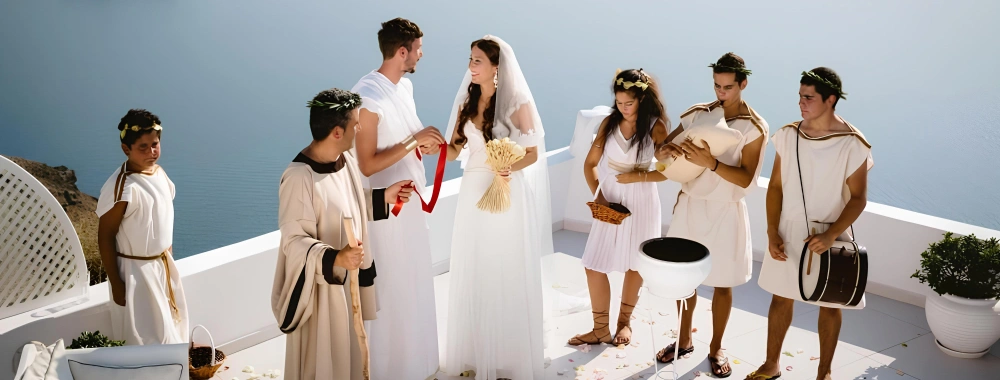
In Greece, traditions are closely intertwined with religion. Orthodox Christianity permeates every aspect of life, from family celebrations to national events.
The most important holidays are Easter and Christmas. During Easter, Greeks attend midnight services, bringing home the Holy Fire. The week is observed with calm reflection and prayer, followed by celebrations filled with greetings and festive dishes. Christmas is a time for family, marked by carols, decorated trees, and colourful lights.
Traditional attire in smaller towns and villages is often worn during weddings, christenings, and festivals. Each region has its distinct style and colours.
Many Greek traditions reflect echoes of ancient paganism. For example, Easter coincides with the spring equinox, reminiscent of the ancient festival honouring Persephone, the goddess of spring.
Name days are celebrated even more widely than birthdays in Greece. Names are often given in honour of saints, and many people’s birthdays coincide with their name day.
Another important holiday is Oxi Day (“No Day”), which has been celebrated since 1942. It commemorates the defiant rejection of Italian forces in 1940 and symbolises Greek unity and patriotism.
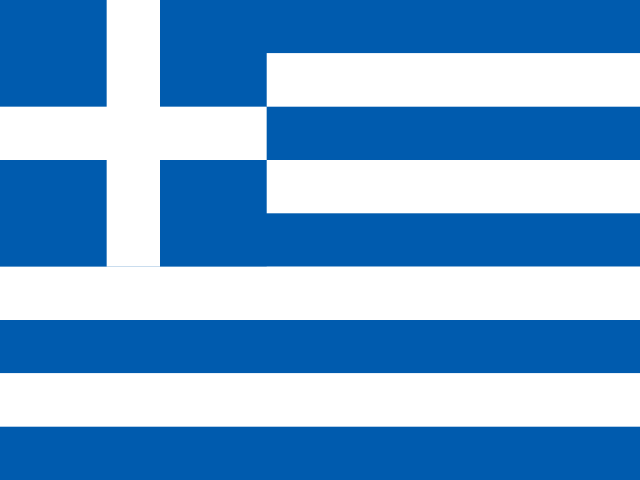
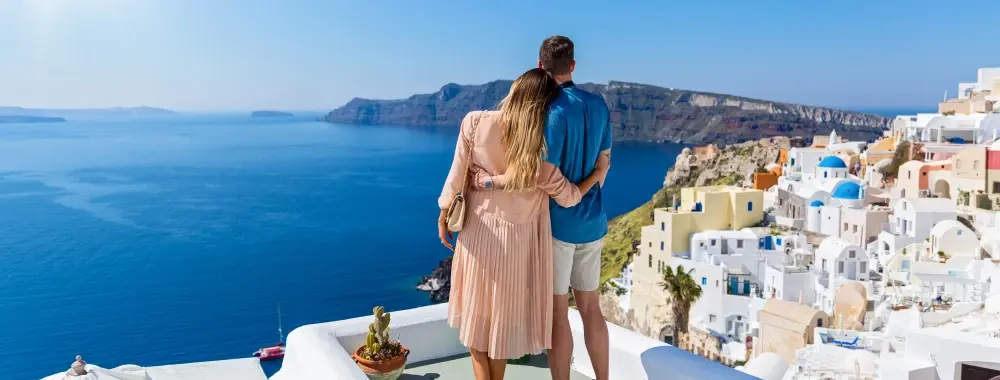
Patriotism runs deep in Greece. According to legend, during World War II, when German occupiers forbade the national flag display, Santorini residents painted their homes overnight in the colours of the Greek flag. Today, whitewashed houses with bright blue roofs are a hallmark of Cycladic architecture.
Celebrations and Festivals
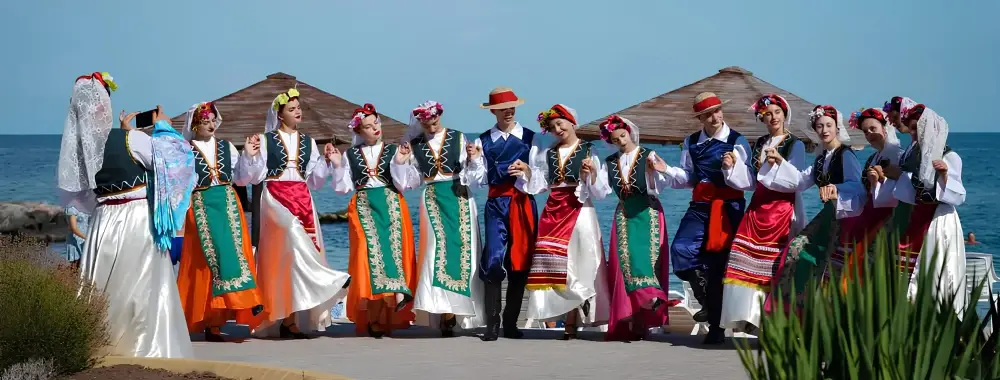
Greece is known for its joyful celebrations. Here are three national holidays worth experiencing:
- Apokries (Carnival): Three weeks of festivities with costumes and parades.
- Summer Solstice Festival: Bonfires, dancing, and songs to ward off evil spirits.
- Gynaikratia: A playful celebration where women take on men’s roles for the day, enjoying leisure while men handle household chores.
Greeks love festivals of all kinds. The Athens Arts Festival stands out, featuring music, dance, traditional costumes, and local delicacies. The Patras Carnival is one of Europe’s major cultural events, drawing millions of visitors annually. Other notable carnivals include those in Tyrnavos, Xanthi, and Rethymno.
Culinary festivals are another highlight, showcasing Greece’s finest produce. The largest is the International Gastronomy Festival in Serres, held annually in late September. It’s a feast of wine tastings, traditional dishes, live music, and hands-on cooking workshops.
For art enthusiasts, Greece hosts world-renowned music and film festivals in Thessaloniki, Kalamata, and other cities. Jazz lovers flock to Halkidiki, folk music fans to Ithaca, and electronic music enthusiasts to Samothrace.
Greek Lifestyle and Mindset

Life in Greece flows at a relaxed, unhurried pace, where siga-siga—”slowly, slowly”—is more than just a saying; it’s a way of life. From 2:00 PM to 5:00 PM, the country comes to a standstill during the hottest part of the day. This midday rest, known as mesimeri, is integral to Greek life. Most government offices, shops, and cafés close during these hours, although many businesses in tourist areas remain open. Quiet and calm are highly valued in Greece, even enshrined in the law of silence, which prohibits noise during certain times.
Greeks are known for their hospitality and love of socialising. Whether hosting or visiting friends, they take pride in offering warm welcomes, friendly smiles, and delicious meals in a cosy atmosphere. Greeks are also joyful and expressive people who love joking, singing, dancing, and connecting with new acquaintances.
After religion, family holds the greatest importance in Greek culture. Spending time with loved ones, celebrating holidays, and supporting one another are essential values.
Greeks embody the Mediterranean lifestyle, embracing ease, beauty, and enjoyment. They appreciate good food, strolls in beautiful surroundings, meaningful conversations with loved ones, and simply savouring every moment.
Culinary Traditions
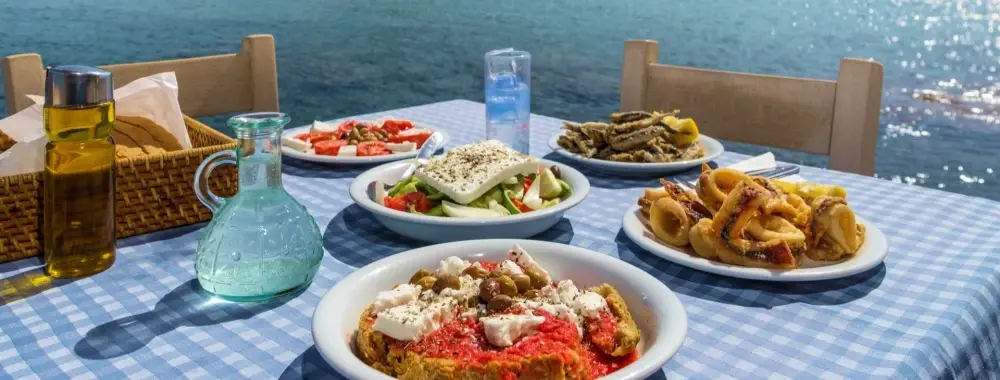
Greek cuisine is more than food — it’s a cornerstone of the country’s culture.
The foundation of Greek cooking lies in fresh, natural ingredients: vegetables, fruits, lamb, beef, fish, and seafood. Olive oil, often called Greece’s “liquid gold,” is a key ingredient in almost every dish, adding its distinctive flavour and aroma.
Cheese also plays a prominent role, featuring everything from salads to desserts. Iconic varieties include feta, graviera, anthotyro, and galotyri. Herbs and spices such as oregano, garlic, onion, nutmeg, cumin, and cloves complete the flavour profiles of many dishes.
Traditional Greek dishes you must try:
- Moussaka: A baked casserole of aubergines, minced meat, and béchamel sauce.
- Souvlaki: Skewered pieces of grilled meat or chicken.
- Gyros: Meat served with vegetables in a warm pita.
- Pastitsio: A pasta bake with minced meat and béchamel sauce, similar to lasagna.
- Scorpionfish tartare: A delicacy for seafood lovers.
Those with a sweet tooth will enjoy Greek pastries like loukoumades — honey-drenched doughnuts — or koulourakia, spiral-shaped vanilla biscuits.
It’s believed that koulourakia date back to the Minoan civilisation, with their snake-like form honouring a serpent deity.
Wine holds a special place in Greek culture, as vineyards have been a staple since ancient times. Many wineries still produce wine using techniques dating back to Dionysus’s time. Greece’s modern wine producers preserve these traditions while cultivating a love for wine across the country.
Among Greece’s renowned wines are Retsina, a dry white wine with a resinous aroma; Assyrtiko, a crisp white wine perfect for pairing with fish and seafood; and Moschofilero, a light rosé with hints of strawberry and floral notes. Wine is an integral part of Greek celebrations and festivities, often served during lunch and dinner and traditionally offered as a welcoming gesture to guests. Moreover, wine plays a significant role in Greece’s tourism industry, attracting visitors eager to tour vineyards, taste local varieties, and attend wine festivals and exhibitions.
Modern Greece
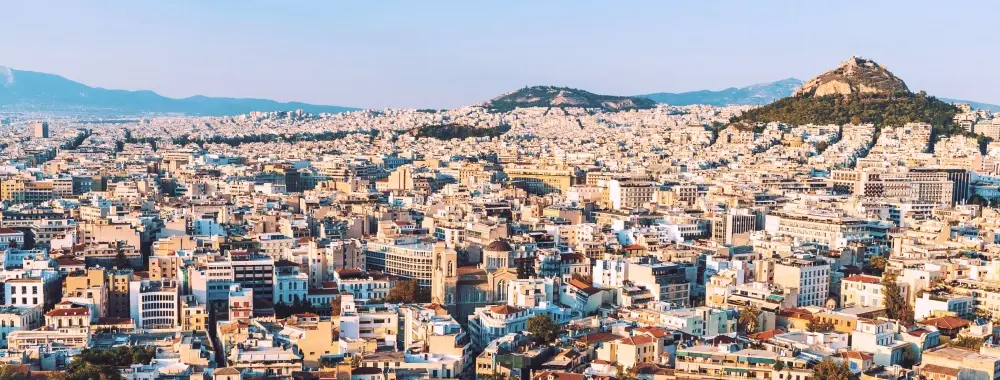 Greek culture today is an extraordinary blend of tradition and modernity. From globally admired music to fashion that combines classical motifs with contemporary trends, Greece uniquely combines the old and the new.
While Greece welcomes outside influences and continues to evolve, it retains its distinctive character. Visitors consistently note the warmth and hospitality of its people, who take great pride in sharing their culture and showcasing their beautiful country.
How to Relocate to Greece

The programme requires an investment in real estate with the following minimum thresholds:
- €800,000 in Athens, Attica, Thessaloniki, Mykonos, Crete, Santorini, or other major regions with populations of 3,100 or more.
- €400,000 in all other regions.
In some cases, investments can start from €250,000 if the property is:
- Converted from commercial to residential use.
- A cultural or architectural landmark requiring renovation, with the investor committing to complete the work within five years before renewing the residency permit.
Applicants must be over 18, have no criminal record, and pass a reliability check. There are no requirements for permanent residence or language proficiency in Greece.
The Golden Visa offers numerous benefits:
- Visa-free travel within the Schengen Area without needing to apply for ETIAS.
- The right to conduct business and access European markets.
- Access to the international banking system.
- Tax optimisation opportunities.
- Access to European education and high-quality healthcare.
- Eligibility for Greek citizenship after seven years of residence, subject to additional conditions.
- Ownership of high-yield real estate, generating returns of 4% annually or more.
- A Mediterranean home for personal use.
- Life in a safe, high-quality European country with a stable political and economic environment.
- A reliable backup plan for you and your family in case of emergencies.