
































 +44 207 043 6026
 +357 252 30233
 +971 454 01311
 +902 129 008 710
 +302 112 340 656
 +1 (888) 2033901


Argentina Citizenship vs Caribbean Passports
-
 10-minute read
-
1,622 views
-
Share
 10-minute read
 1,622 views
 Share

Susanna Uzakova
Senior Citizenship & Residency Advisor
- Last edited: October 19, 2026
Argentina is preparing to open applications for citizenship by investment in Q4 2026. The announced options are a non-refundable contribution from $350,000 or the purchase of government bonds worth $800,000, although the full requirements and processing times have yet to be published. Caribbean programs have a long track record and established procedures, but visa-free access to the Schengen Area cannot be considered a guaranteed benefit for either these countries or Argentina if it launches a similar model. We compare costs, family eligibility and the risks to consider when choosing a second citizenship.
On 2 October 2026, the Argentine government announced the terms of its upcoming Citizenship by Investment (CBI) program. Applications are expected to open in Q4 2026, although the exact date has yet to be published. Two investment options have been announced:
The investment route exempts applicants from the standard two-year residence requirement, offering a path to citizenship without relocation or an intermediate temporary or permanent residence stage. Applicants will undergo comprehensive due diligence, including checks of their identity, criminal records, financial standing and source of funds. The overall processing time has not yet been announced.
Family members can also participate for additional contributions:
Under the contribution route, a couple with two children under 18 would therefore contribute $500,000, before any additional fees.
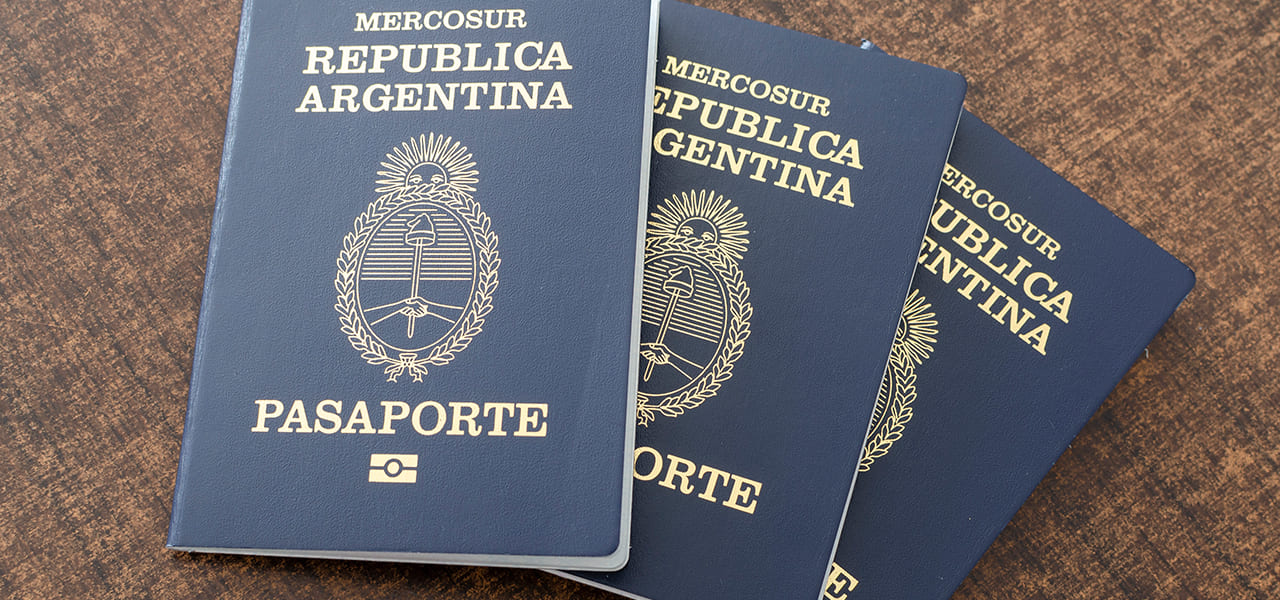
An Argentine passport offers extensive international travel access, including visa-free entry to the Schengen Area and the UK. Argentine citizens can also benefit from Mercosur residence arrangements, which facilitate living and working in participating South American countries, subject to local procedures.
Argentina permits dual citizenship, but there is a significant long-term consideration: Argentine citizenship cannot be voluntarily renounced. Applicants should assess this commitment carefully, particularly when including children.
Astons will continue to monitor the program and publish updates as the application opening date, final requirements and processing timelines are confirmed.

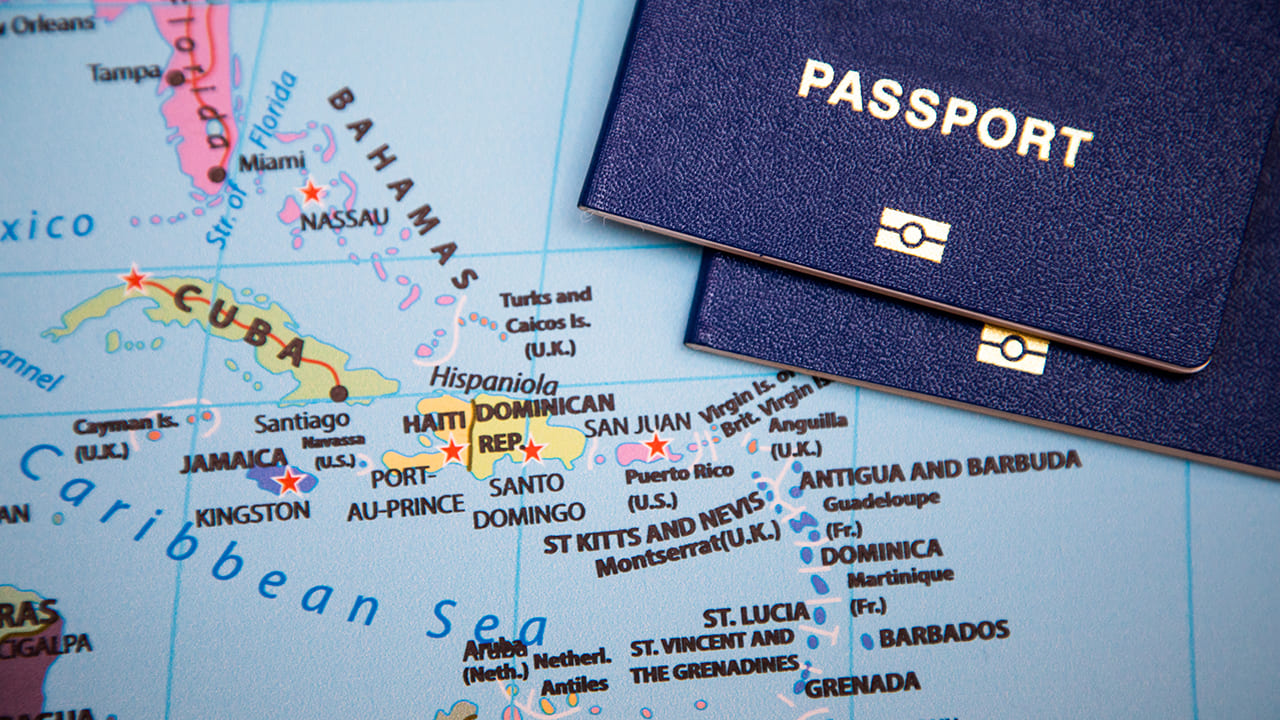
Citizenship by investment programs in the Caribbean countries are among the fastest, most established, and most predictable routes to acquiring a second passport. These programs allow qualified investors to obtain citizenship within 4-12 months through a government donation, approved real estate investment, or (in select countries) business or bond options.
The Caribbean’s appeal lies in its combination of affordability, efficiency, and global mobility. Minimum investment thresholds start from $200,000, significantly lower than Argentina’s projected CBI requirement. Processing is straightforward, documentation is manageable, and most programs allow full family inclusion, often covering spouse, children, parents, grandparents, and even siblings (depending on the jurisdiction).
Caribbean passports offer strong visa-free access, including the EU Schengen Area, United Kingdom, Hong Kong, and Singapore, with Grenada additionally granting visa-free entry to China and eligibility for the U.S. E-2 Investor Visa.
Key advantages include:
While these programs offer excellent mobility, none provide the kind of regional integration available through Argentina’s future citizenship, such as Mercosur rights. Additionally, real estate options often require ongoing maintenance or developer oversight, which may not appeal to all investors.
Requirements:
Citizenship can be obtained through either a government contribution or an approved real estate investment, starting from $250,000.
Key Features:
Pros:
Cons:
Requirements:
Investors that choose Antigua and Barbuda citizenship are offered government donation, approved real estate, or a University of the West Indies fund contribution options, with a minimum total investment from $230,000.
Key Features:
Pros:
Cons:

Dominica citizenship is available through a government donation or approved real estate, starting from $200,000.
Key Features:
Pros:
Cons:
Grenada citizenship can be obtained through a government donation or approved real estate, starting from $235,000.
Key Features:
Pros:
Cons:

St. Lucia citizenship include a government donation, government bonds, business project, or approved real estate, starting from $240,000.
Key Features:
Pros:
Cons:
| Aspect | Argentina Citizenship by Investment | Caribbean Citizenship by Investment Programs |
|---|---|---|
| Residency Requirement | None | None (except 5-day stay in Antigua and Barbuda) |
| Investment Type | Treasury contribution or purchase of government bonds | Government donation, business investment or real estate purchase |
| Investment Threshold | $350,000 | $200,000 |
| Passport Strength | High (~170 visa-free countries) | Strong (~140–160 visa-free countries; Grenada allows China, E-2 USA eligibility) |
| Family Inclusion | Spouse, children | Spouse, children, parents, grandparents, siblings (varies slightly by program) |
| Stability & Risks | New program, economic volatility, citizenship can’t be renounced | Established programs, legal stability, 35+ years of experience, but some hurricane risk |
When comparing Argentina’s future Citizenship by Investment program with established Caribbean CBI options, one of the most important factors for investors is global mobility. While both offer strong international access, the scope and regional advantages differ significantly.
Argentina (Projected Passport Strength)
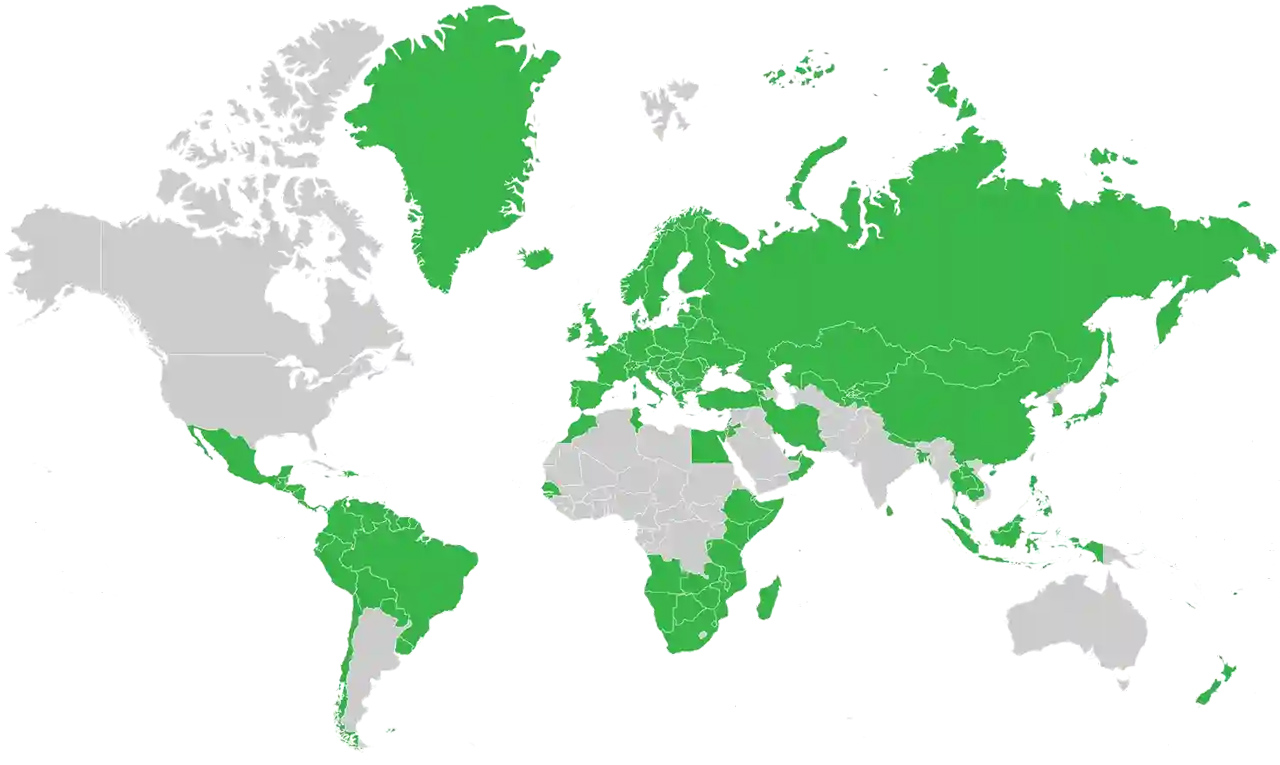
Argentina’s forthcoming CBI program is expected to offer one of the strongest passports outside Europe, with visa-free or visa-on-arrival access to approximately 170 countries, including:
Its standout benefit is Mercosur freedom of movement, which allows Argentine citizens to live, work, study, and establish businesses in:
This gives Argentines something no Caribbean country offers: regional integration in a major economic bloc comparable to the EU in South America.
Caribbean Passports
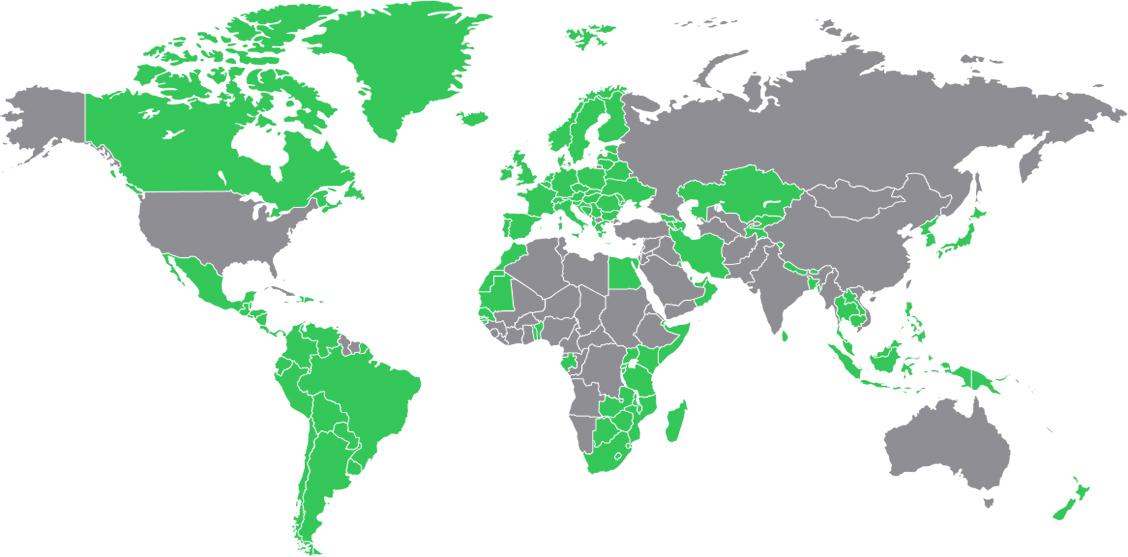
Caribbean Citizenship by Investment passports provide strong access globally, with visa-free travel to:
A notable advantage is Grenada’s unique access to China, along with its eligibility for the U.S. E-2 Investor Visa, enabling residency and business opportunities in the United States.
Typical mobility range by country:
When choosing between Argentina’s upcoming Citizenship by Investment program and the established Caribbean CBI options, investors should evaluate not only travel benefits but also legal stability, economic environment, and long-term implications. Both pathways offer distinct advantages depending on your goals.
Argentina: Large Economy, High Potential, but Regulatory Uncertainty
Argentina stands out as a major South American economy with a diversified landscape of technology, agriculture, energy, and tourism. For investors seeking access to large internal market and long-term growth opportunities, Argentina offers a broader investment horizon than small island nations.
However, several factors must be considered:
Caribbean CBI: Stable, Predictable, and Highly Regulated
Caribbean citizenship programs are among the most established economic citizenship frameworks in the world, operating for more than 35 years. Their key legal advantages include stable legislation, fast processing times, straightforward renewal rules and well-regulated real estate investment options.
Economically, the Caribbean is generally stable, but investors should acknowledge certain local realities:
Tax Residency Considerations
Visa-free access to the Schengen Area cannot be considered a guaranteed benefit of citizenship by investment. Since 31 December 2025, EU rules have allowed its suspension for countries that grant citizenship in exchange for investment without a genuine connection between the applicant and the country. Operating such a program does not automatically result in the loss of visa-free access, but it creates that risk.
Caribbean programs are already under close scrutiny from the European Commission. If Argentina launches a similar model, its visa-free regime could also come under threat. For investors, this means that a passport obtained for unrestricted travel to Europe could eventually lose that benefit.
One way to reduce exposure to these changes is to combine alternative citizenship with a European residence permit. For example, a Vanuatu passport no longer provides visa-free access to the EU. However, when combined with a valid Greek Golden Visa residence permit, it allows the holder to live in Greece and visit other Schengen countries without a separate visa for up to 90 days in any 180-day period.
Argentina could become an attractive option for those considering second citizenship and opportunities to live in South America. The main investment options have been announced, but questions remain about the full requirements, total costs and processing times ahead of the application opening.
Caribbean programs have a longer track record and established procedures, but their visa-free access to the Schengen Area cannot be considered guaranteed either. The choice should therefore depend on the family’s goals, budget and applicant eligibility. If access to Europe is a priority, combining second citizenship with a residence permit from a Schengen country is worth considering: this strategy reduces reliance on the visa agreements of the country issuing the passport. Contact Astons experts to learn more.

 Learn more
Request a Free Consultation
Book a free consultation today and let our specialists help you choose the best country for your family
Send a RequestAuthor

Susanna Uzakova
Senior Citizenship & Residency Advisor
Suzanna Uzakova is an international specialist and a leading expert at the company in the field of investment immigration.
Learn more about the authorShare


Related Articles
schedule a Meeting
Let’s Discuss the Details
Our expert will create a tailored solution based on your needs within 24 hours.

Susanna Uzakova
Senior Citizenship & Residency Advisor
 Your Data is Protected
Your information is handled under strict privacy policies.