

























 +44 207 043 6026
  +357 252 30233
  +971 454 01311
  +902 129 008 710
  +302 112 340 656
  +1 (888) 2033901


Your ultimate guide to living in Argentina
-
 14-minute read
 -
1,088 views
-
Share
 14-minute read
 1,088 views
 Share
Share
Susanna Uzakova
Senior Citizenship & Residency Advisor
- Last edited: October 7, 2026
Argentina is increasingly attracting expats from the UK, US, and Europe, thanks to its welcoming culture, vibrant cities, and growing opportunities. The country is also recognised as the third safest in Latin America, making it a compelling choice for those seeking both adventure and stability.
For families, the citizenship rules are straightforward: children born in Argentina automatically acquire citizenship, and parents can follow. Foreigners who have legally lived in the country for at least two years can apply for naturalization. In May 2025, however, President Javier Milei introduced stricter immigration regulations: all applicants, including parents of Argentine citizens, must maintain continuous legal residency for two years without leaving the country to qualify.
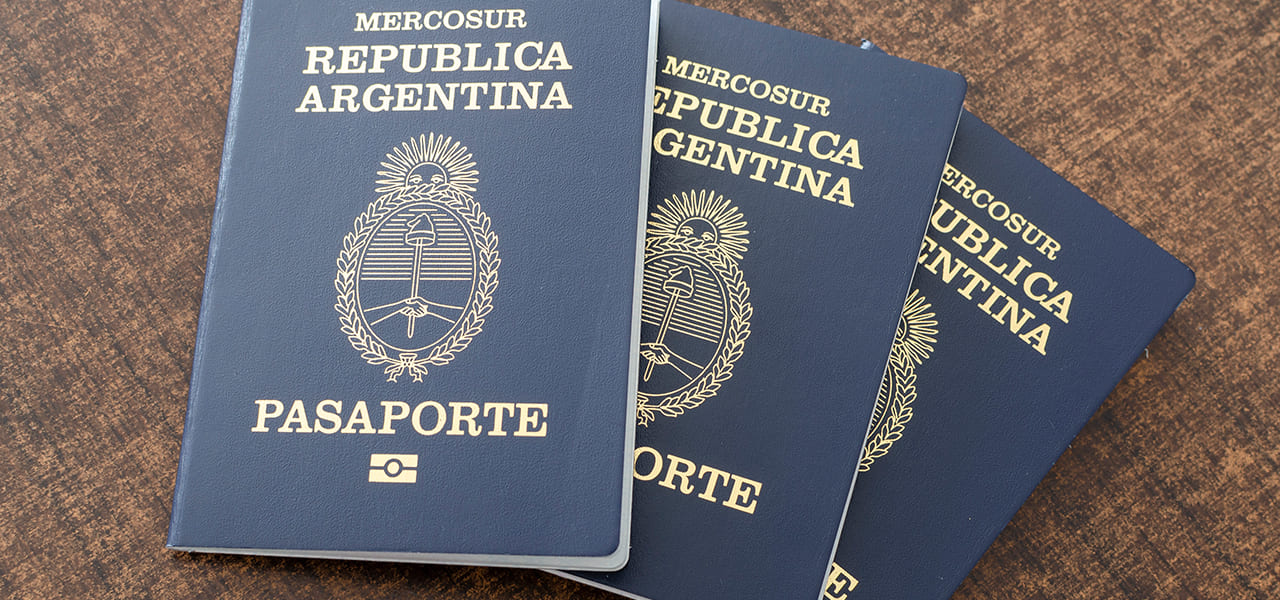
At the same time, Argentina is preparing to launch a citizenship-by-investment program, which will allow investors to gain citizenship without any residence requirement. The Argentine passport is highly ranked globally, offering visa-free or visa-on-arrival access to 170 countries, including the entire European Union.
Whether you’re considering moving for work, study, or lifestyle, understanding the cost of living, housing, healthcare, and citizenship options in Argentina is essential. Astons experts provide up-to-date insights to help international expats make informed decisions in 2026.

Argentina is a country with a rich immigrant history, offering broad access to education and healthcare, though high tariffs and labor protections previously kept prices elevated. Recent reforms under President Milei have liberalised the economy, lowered import costs, and improved access to international goods, including free Amazon shipping. Despite these changes, inflation and currency fluctuations remain a daily reality, while cryptocurrency use provides additional financial flexibility.
Argentina’s constitution recognizes that the country was built by immigrants and will always remain open to new settlers. Until 2025, anyone from anywhere in the world — even without legal status — could access free primary, secondary, and higher education, as well as healthcare, including expensive treatments such as cancer therapy. Millions of people, including foreigners, also received social benefits from the government.
At the same time, the government actively supported local manufacturers, and labor unions gained significant power, making it very difficult to fire Argentine workers. Protective import tariffs were introduced to support domestic companies, which made goods and products in the country very expensive due to high import taxes and a lack of competition in the local market.
All of this contributed to a prolonged economic crisis — by 2023, Argentina was on the brink of default. However, Argentines elected an atypical president for the country: economist and libertarian Javier Milei. He began implementing sweeping reforms through presidential decrees, which are laws issued directly by the president and take effect immediately upon publication. Sometimes, a single decree can introduce hundreds of changes at once. These reforms can be overturned by a Senate majority, which happens relatively often.
Currently, Argentina is undergoing a period of major legislative changes, economic restructuring, and market liberalisation. Reforms occur almost weekly, and on some days, hundreds of amendments can be passed in just 24 hours.
Argentina is gradually emerging from a prolonged economic crisis. Annual inflation reached 287% in 2024, but price growth subsequently slowed considerably. Under President Javier Milei, inflation has declined, although it remains high: according to INDEC, it stood at 33.5% year-on-year and 1.7% month-on-month in August 2026.
New arrivals quickly notice that prices in shops are updated almost daily. Currency exchange is best done no more than once a week, although the country’s extensive network of crypto-exchanges allows cash to be delivered directly to your doorstep. Over the past three years, the peso has gradually depreciated, which offsets the constant rise in prices.
Don’t be confused by the $ sign on price tags — it denotes the local currency, the Argentine peso (ARS). When locals indicate prices in US dollars, they use the abbreviation USD.
Argentina has multiple exchange rates. One is regulated by the government and used for official transactions, while the other reflects the real market rate at which dollars can be bought and sold at exchange offices.
Two to three years ago, the gap between these rates was enormous. For example, in October 2023, one US dollar officially exchanged for ARS 349, while the so-called dólar blue in street exchange offices reached ARS 1,100. For foreigners earning in hard currency, living in Argentina at that time was very profitable. In 2025, President Milei has minimized the gap between official and parallel rates, though it has not been fully eliminated.
This still complicates financial transactions for foreigners — for instance, if you book a hotel on Booking.com with a US dollar card, the amount will be charged at the official exchange rate.
In Argentina, it is possible to convert cryptocurrency into cash. This can be done through numerous crypto-exchange services that deliver cash directly to your home or via local bank cards linked to P2P transactions. However, to obtain a local bank card, you must have an Argentine residency document (DNI).
Argentina’s consumer market has undergone a significant transformation under President Javier Milei’s economic reforms. Historically, high import tariffs and restrictive policies inflated the prices of imported goods. For example, a Zara dress that retailed for $25 in the U.S. was priced at $67 in Argentina, and an iPhone 15 that cost $799 in the U.S. was sold for $2,800 locally. These inflated prices were a result of import duties ranging from 50% to 100%, as well as additional taxes and bureaucratic hurdles that made international purchases cumbersome.
In a bold move to liberalize the economy, President Milei’s administration has eliminated many of these import restrictions and tariffs. This policy shift has led to a dramatic decrease in the prices of imported goods. For instance, the same Zara dress now costs approximately $25, aligning with U.S. retail prices. Similarly, the iPhone 15’s price has dropped significantly, making it more accessible to Argentine consumers.
One of the most notable changes is the introduction of free shipping for Amazon purchases to Argentina. This initiative has opened up a vast array of international products to Argentine consumers without the added burden of high shipping costs. Items that were once prohibitively expensive due to shipping fees are now within reach, thanks to this reform.
Despite these advancements, challenges remain. Argentina is part of the Mercosur trade bloc, which imposes a 20% import tax on goods entering the country from outside the bloc. Additionally, the nation faces high business taxes and stringent labour laws, which continue to impact the cost of doing business. Addressing these issues remains a priority for the current administration as it strives to further integrate Argentina into the global economy.

Housing in Buenos Aires is becoming more expensive due to the emerging mortgage market and economic liberalisation. Buying a three-bedroom apartment in central districts now costs around $105,000–$110,000, while renting a similar property ranges from $1,000 to $1,200 per month for foreigners, often with additional commissions. Utilities and building maintenance can add another $100–$400 monthly, depending on amenities and energy usage.
Argentina’s mortgage market is only beginning to expand: for many years, local residents struggled to obtain home loans because availability was extremely limited. Weak demand kept apartment prices relatively low. In the historic San Telmo district, for example, some two-bedroom apartments were listed for $60,000. The return of mortgage lending and economic liberalisation have supported interest in property purchases, although prices are not yet rising rapidly across the market. According to Zonaprop, the average asking price for apartments in Buenos Aires reached $2,476 per sq. m in August 2026, up 1.1% since the start of the year. Property prices nevertheless vary considerably depending on the neighbourhood, the building’s condition and the characteristics of each unit.
For foreigners, rental prices are significantly higher than for locals. This is because foreigners cannot provide standard guarantees required by real estate agents: proof of local employment and a guarantor who will take financial responsibility for the property if something goes wrong.
Foreigners usually get contracts lasting three months to a year, often in USD. Landlords and agents often prefer shorter contracts so they can adjust the rent in response to inflation or market fluctuations. As of October 2026, renting a two-bedroom apartment in popular neighbourhoods of Buenos Aires can cost approximately $1,000–$2,200 per month, depending on its size, furnishings and building amenities. Additionally, agents typically charge a 20% commission, though some direct arrangements with landlords can reduce this cost. Local real estate platforms include Zonaprop and Argenprop.
Rental prices usually do not include additional expenses. “Expensas” (building maintenance fees) can reach $300 per month, especially in buildings with pools or gyms. Utilities for a family of three — electricity, gas, and water — average $70–$80 per month. Argentina lacks central heating; most households use air conditioners or gas heaters, which can increase costs. Unlimited internet with SmartTV typically costs around $30 per month.
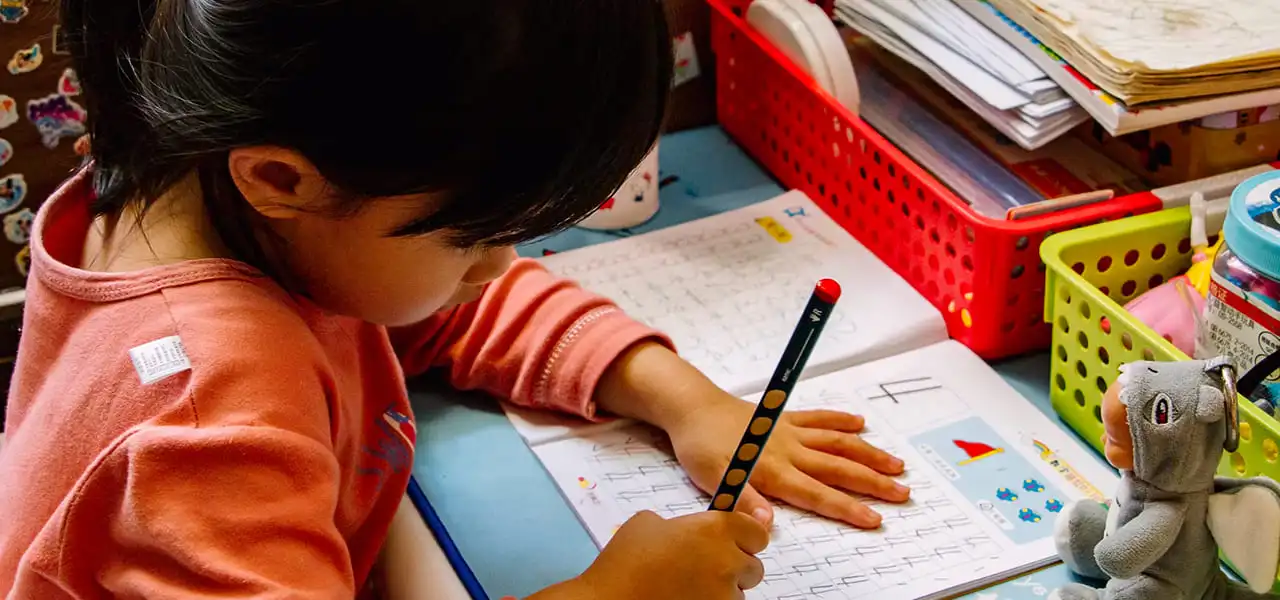
Education in Argentina offers both public and private options. Primary and preschool education is free for all, even without legal residency, while private and bilingual schools cost between $300 and $1,000 per month. Higher education has become more restricted for foreigners, with top public universities requiring Spanish proficiency and private universities charging around $300+ per month.
Child welfare is a major advantage of life in Argentina. Even compared to Spain, children receive exceptional attention and care.
Primary and preschool education is free for all, and enrollment is still possible without legal residency. Teenagers in high school or university can provide grounds for residency for their families. Knowledge of Spanish is not required for school admission.
Buenos Aires also offers many bilingual schools and private institutions with high-quality education at relatively affordable prices compared to Europe, ranging from $300 to $1,000 per month.
Higher education became more restricted in 2025. Free university education for foreigners without permanent residency was abolished, and language exams are now required. Admission to top universities like the University of Buenos Aires (UBA) requires Spanish proficiency at C1 level; lower-ranked institutions accept B2. Private universities may admit students without official language verification.
Buenos Aires has an extensive network of metro lines, buses and commuter trains. A metro journey costs approximately $1.18 when paid with a registered SUBE card. The base fare is 1,817 Argentine pesos, with discounts available after 20 journeys in a month.
Private cars in Argentina are significantly more expensive than in neighboring countries, and owning one in Buenos Aires can be impractical due to high taxes, scarce parking, and theft risks. The city offers an extensive metro, bus, and suburban train network, with affordable fares but crowded conditions during peak hours. For longer distances, domestic flights and intercity buses are widely used, though flight prices can be high unless booked strategically.
Private cars are 30–50% more expensive than in neighboring countries due to high taxes. Luxury cars are rare, even in Buenos Aires, because wealthy Argentines often keep a low profile. Most drive economy or mid-range vehicles.
Tourists can drive with foreign licenses, but permanent residents must obtain a local driver’s license. The test is relatively straightforward: a theory exam and a practical drive, including parallel parking. Experienced drivers generally pass on the first attempt.
Owning a car in Buenos Aires is often less practical than using taxis, as parking is scarce, fees are high, theft is common, and vehicle taxes are steep.
Buenos Aires has an extensive network of metro lines, buses and commuter trains. A metro journey costs approximately $1.18 when paid with a registered SUBE card. The base fare is 1,817 Argentine pesos, with discounts available after 20 journeys in a month.
Rail infrastructure is limited, but domestic flights cover most of the country. Ticket prices can be high due to taxes; booking through foreign aggregators or using a local VPN can sometimes save up to 50%. Intercity buses are popular, offering reclining seats and onboard restrooms.
Although free healthcare for foreigners without permanent residency was canceled in 2025, many public hospitals still provide services at no cost. Emergency services typically only respond to critical cases; minor conditions like a 40°C fever require visiting a hospital directly.
Public hospitals have “guardias” (emergency departments) where urgent care is free. After treatment, no bills are sent as in the U.S. Pediatric and adult care include full examinations and imaging when necessary.
Private hospitals offer high-quality care and individual insurance plans, including home emergency visits. Such plans cost around $2,000 per year for a family of three.
Buenos Aires’ safety map resembles a zebra: even in the city center, there are semi-legal settlements (“villas”) with criminal activity. Argentines avoid these areas. Sometimes, elite neighborhoods with hotels like Sheraton and Hilton are just 100 meters away. Most crimes are minor street thefts.
Foreigners tend to live in calm and scenic central barrios such as Recoleta, Palermo, and Belgrano. Following basic safety rules — keeping phones secure, avoiding risky areas, and not walking alone at night — is usually sufficient for a safe life.
The Argentine mindset is warm and hospitable, making expats feel welcome, with conflicts typically handled calmly. However, locals live a relaxed lifestyle, prioritizing personal comfort, and a “yes” can sometimes mean a polite refusal. Social interactions are often expressive, including cheek-to-cheek greetings, reflecting their Spanish and Italian heritage.
For expats, the Argentine mindset is both a major advantage and a challenge. Argentines are exceptionally hospitable, making newcomers feel like locals. They are friendly, smile often, and are eager to help. Conflict is usually resolved calmly without raising voices.
At the same time, Argentines live a relaxed lifestyle, often prioritizing personal comfort. Meetings can be missed due to rain, and saying “yes” often implies a polite refusal rather than agreement.
Most Argentines are descendants of Spanish and Italian immigrants, so cultural interactions feel familiar to Europeans. Social greetings involve cheek-to-cheek kisses, even for strangers. For example, when dropping a child at school, each parent should be greeted with a kiss to avoid being considered rude.
In 2026, Argentina offers multiple ways to obtain a residence permit, including through passive income, family ties, refugee status, study, or employment with a local company. Citizenship is automatically granted to children born in Argentina (jus soli), while other foreigners can apply after two years of continuous legal residence, through marriage to an Argentine citizen, or based on parentage (jus sanguinis). The naturalisation process typically takes 7 months to 1.5 years, depending on government processing times.
As of 2025, only children born on Argentine territory automatically acquire citizenship. According to the decree No. 366/2025, all other foreigners must live legally in the country without leaving for two years to qualify for citizenship, regardless of the grounds for their residency.
Citizenship in Argentina can be obtained through the following:
Following the 2025 reform, ordinary naturalisation requires two years of continuous lawful residence in Argentina without leaving the country before applying. Marriage to an Argentine citizen or having a child who is a citizen no longer provides an exemption from this period. Citizenship by birth and descent is governed separately, while the law provides an exception to the residence requirement for significant investments.
In 2026, Argentine citizenship can be acquired on the following grounds:
The citizenship process itself takes 7 months to 1.5 years, depending on the workload of various governmental agencies.

Argentina is preparing to open applications for citizenship by investment in Q4 2026. The legal framework was established by Decree 366/2025, while Decree 524/2025, published on 31 July 2025, set out the application review procedures.
Two participation options have been announced:
Family members can be included for additional contributions:
The investment route waives the standard two-year residence requirement before applying. However, comprehensive due diligence has been announced, covering identity, criminal records, reputation, immigration and financial history, source of funds and capital flows.
The Argentine passport allows visa-free or simplified entry (eTA/eVisa) to more than 170 countries, including:
It depends on your goals. If you value a friendly, democratic community and are flexible, Argentina could be a good fit. However, if you rely on precision, punctuality, and certainty, relocation may be challenging.
Pros of Argentina:
Cons of Argentina:
Astons specialists are experts in global residency and citizenship by investment programs. Book a free consultation — our experts will review your situation and help you select the option best suited for you.

 Learn more
Request a Free Consultation
Book a free consultation today and let our specialists help you choose the best country for your family
Send a RequestAuthor

Susanna Uzakova
Senior Citizenship & Residency Advisor
Suzanna Uzakova is an international specialist and a leading expert at the company in the field of investment immigration.
Learn more about the authorShare


Related Articles
schedule a Meeting
Let’s Discuss the Details
Our expert will create a tailored solution based on your needs within 24 hours.

Susanna Uzakova
Senior Citizenship & Residency Advisor
 Your Data is Protected
Your information is handled under strict privacy policies.