

The largest countries in the world by area are led by Russia, Canada, and the United States, each covering vast territories with significant geographic, climatic, and economic diversity. This ranking includes ten countries whose size shapes their resources, population distribution, and global influence. Below is a structured overview of the top 10 largest countries and their key characteristics.
Key Takeaways
- Russia is the largest country in the world with an area of over 17 million km².
- Canada ranks second and is one of the least densely populated countries globally.
- The United States and China occupy 3rd and 4th places, with comparable territories and major global influence.
- Brazil and Australia dominate in South America and Oceania respectively, with vast natural resources.
- India is both one of the largest countries by area and the most populous country in 2026.
- Argentina, Kazakhstan, and Algeria complete the top 10, each representing key regions: South America, Central Asia, and Africa.
- Large territory does not always correlate with population size — some of the biggest countries have relatively low population density.
- Geographic scale influences climate diversity, economic structure, and regional development within each country.
The 10 Largest Countries by Area
- 1st place — Russia: 17,098,246 km²
- 2nd place — Canada: 9,984,670 km²
- 3rd place — United States of America (USA): 9,833,517 km²
- 4th place — China: 9,596,960 km²
- 5th place — Brazil: 8,515,767 km²
- 6th place — Australia: 7,692,024 km²
- 7th place — India: 3,287,590 km²
- 8th place — Argentina: 2,780,400 km²
- 9th place — Kazakhstan: 2,724,900 km²
- 10th place — Algeria: 2,381,741 km²
Russia
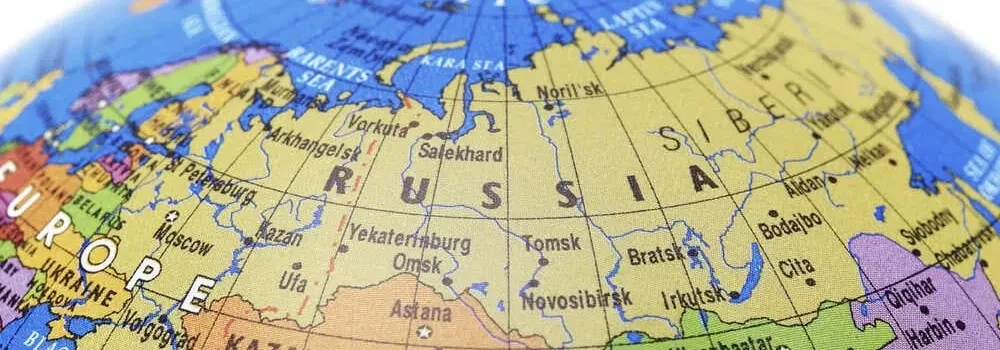
Area: 17.125 million km²
Population: 146 million people
Capital: Moscow
Russia is the largest country in the world. It stretches from the Baltic Sea in the west to the Pacific Ocean in the east. Its territory contains vast natural wealth, including one of its most famous landmarks — Lake Baikal, the deepest lake in the world and one of the largest sources of fresh water.
The country’s enormous size plays a major role in its diversity. In the Sakha Republic, temperatures can drop to −82°C, while in Kalmykia they can rise to +45°C. People travel to Murmansk to see the Northern Lights, and to Anapa for a seaside holiday. And when people in Kaliningrad only begin their working day, in Vladivostok it already comes to an end.
Canada
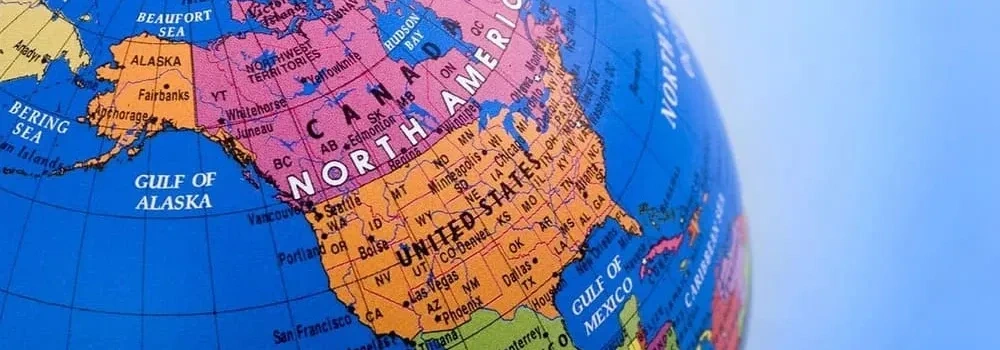
Area: 9.98 million km²
Population: about 40 million people
Capital: Ottawa
After the collapse of the British Empire, the United Kingdom lost many positions in the global ranking by area. At the same time, many of its former colonies came to occupy leading places among the world’s largest countries, including Canada. Today, it ranks second by area and remains one of the least densely populated countries in the world. Most of its territory has a temperate climate, while the northern regions are dominated by an Arctic climate with long and severe winters.
Despite its special colonial status, Canada gained full independence only in 1931 and adopted its own constitution only in 1982. Before that, the key document defining the foundations of its constitutional system remained the British North America Act of 1867, passed by the UK Parliament. The country has two official languages — English and French — and Canada is considered one of the most multicultural countries in the world.
USA
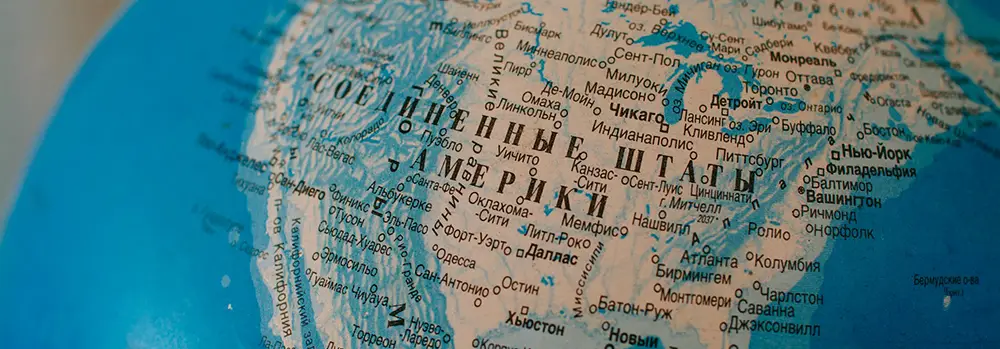
Area: 9.83 million km²
Population: about 336 million people
Capital: Washington, D.C.
The United States ranks among the leaders in the number of natural sites included on the UNESCO World Heritage List. There are 10 such sites, including famous national parks such as the Grand Canyon and Yellowstone. According to IMF data for 2022, the United States ranks second after China in GDP size and also spends more than any other country in the world on research and development and military expenditures.

China
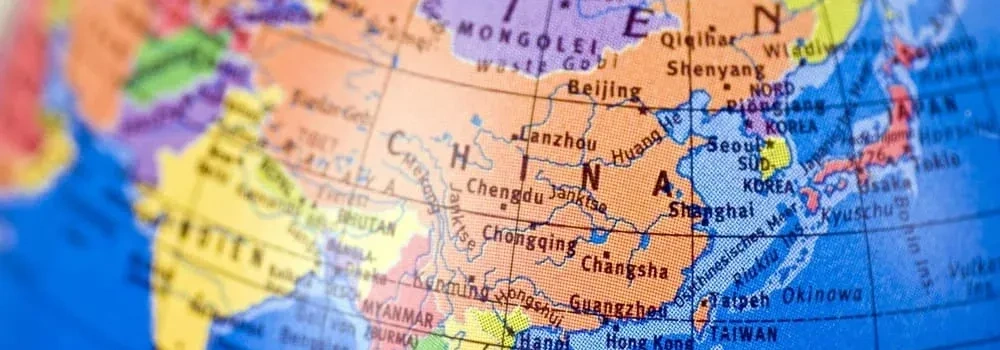
Area: almost 9.6 million km²
Population: more than 1.41 billion people
Capital: Beijing
Until recently, China was considered the most populous country in the world, but in 2025 it was overtaken by India. At the same time, according to IMF data, China surpassed the United States in GDP.
Chinese civilization is considered one of the oldest in the world, with a history spanning more than four thousand years. It is possible that by the end of the 18th century the Chinese Empire could have ranked first among the largest states by area. However, precise estimates are difficult, as colonies and conquered territories often passed under the control of different powers during that period. At that time, the Chinese Empire included the territories of modern-day China, Mongolia, Taiwan, part of Siberia, and much of Central Asia, including lands that are now part of Kazakhstan, Kyrgyzstan, and Tajikistan.
Brazil
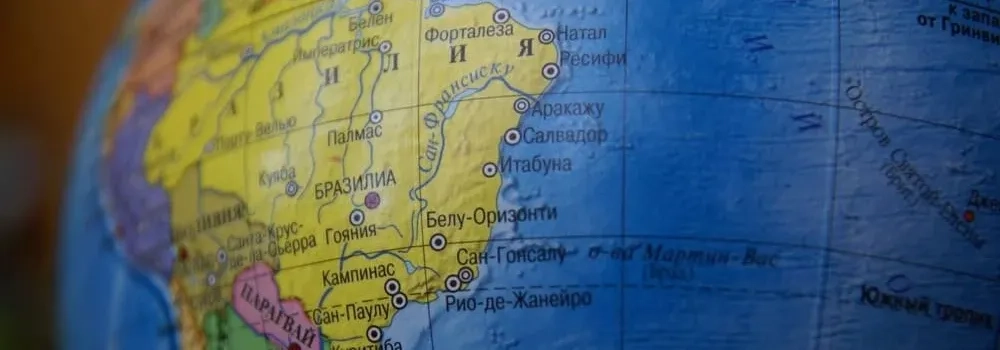
Area: about 8.5 million km²
Population: almost 220 million people
Capital: Brasília
Brazil occupies nearly half of South America. Since the early 16th century, it was under Portuguese rule: in 1500, navigator Pedro Álvares Cabral officially claimed these lands for the Portuguese crown. Brazil remained a colony until the early 19th century and formally declared independence in 1822.
Today, Brazil is considered one of the most developed countries in South America. It is among the world’s largest producers of coffee, soybeans, beef, sugar cane, citrus fruits, and a number of other agricultural products. At the same time, social inequality remains a major issue for the country.
Australia
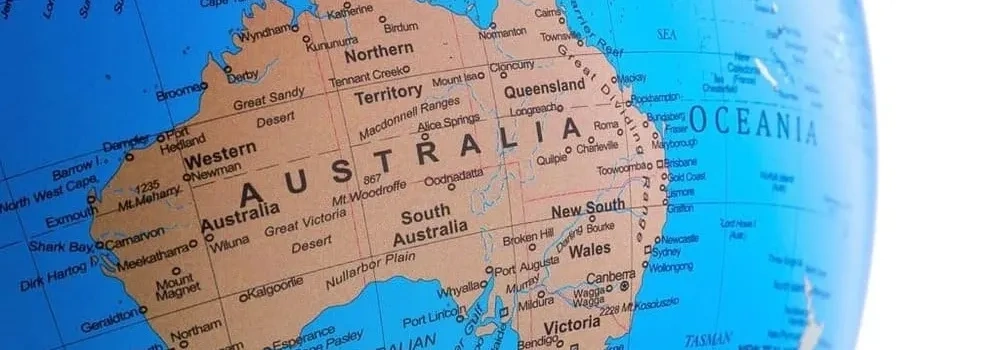
Area: 7.686 million km²
Population: about 27.5 million people
Capital: Canberra
Australia is the only country in the world that occupies an entire continent. Like many other Commonwealth countries, it remained a British colony for a long time. Colonization began in the late 18th century, and the path to full independence stretched over several decades — from 1901 to 1942. This process was finally completed in 1986 with the adoption of the Australia Act, after which the UK Parliament lost the right to amend Australian law.
Today, Australia is a parliamentary democracy and constitutional monarchy within the Commonwealth of Nations. Formally, the monarch of the United Kingdom remains the head of state, but this role is largely symbolic and ceremonial and does not imply real political influence.
India
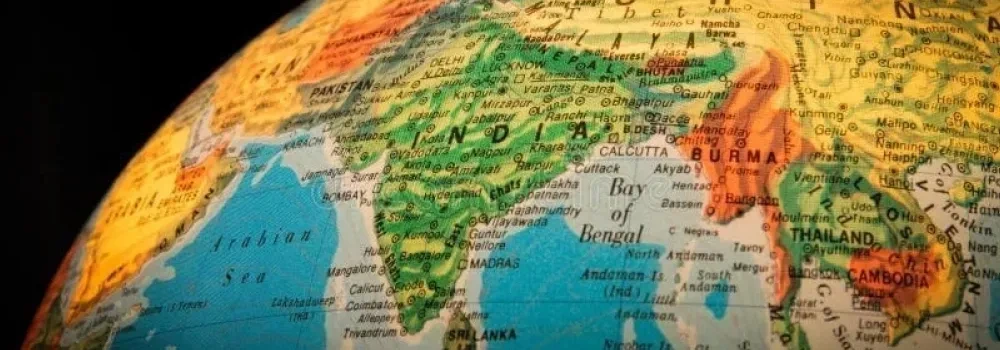
Area: 3.28 million km²
Population: more than 1.47 billion people
Capital: Delhi
India recently overtook China to become the most populous country in the world. Alongside Egypt and China, it is considered one of the oldest civilizations: it is believed that civilization in the Indus Valley began forming around 2500 BCE.
From the mid-18th century, India gradually came under the influence of the British Empire, and in 1858 officially became its colony. The country gained independence only in 1947 after a long struggle, closely associated with the name of Mahatma Gandhi. Today, India plays an important role in the global economy and is known for its large number of specialists in IT, engineering, and science. At the same time, the country still faces serious social challenges, including high levels of poverty and illiteracy among part of the population.
Argentina
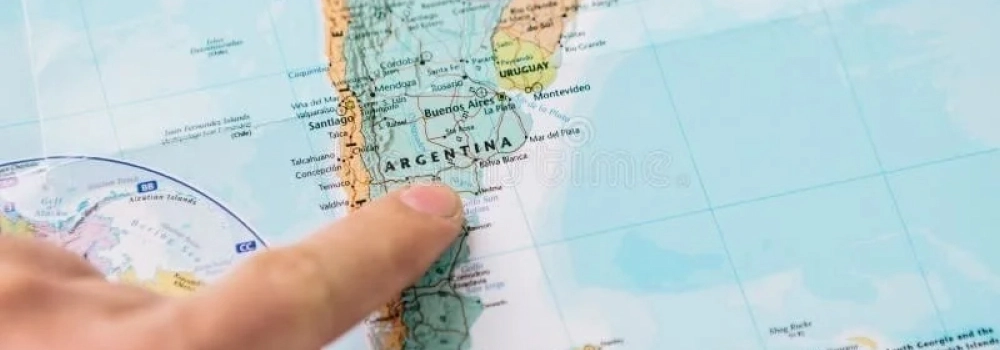
Area: 2.78 million km²
Population: about 46 million people
Capital: Buenos Aires
We now move to a country that was shaped to a great extent during the colonial era. In 1516, Spanish navigator Juan Díaz de Solís made one of the first expeditions to this region, and in 1536 Pedro de Mendoza founded a settlement that became the precursor of modern Buenos Aires. However, it was abandoned in 1541, largely due to resistance from the indigenous population. Only about 40 years later did the Spanish make another, more successful attempt to resettle the city.
Argentina remained a Spanish colony until the early 19th century, when the wars of independence began in Latin America. At that time, it was part of the Viceroyalty of Peru and was not considered especially important, since it had no major deposits of gold and silver like other parts of the region. Today, Argentina is known as one of the largest wine producers and as one of the leading suppliers of wheat and meat.
Kazakhstan
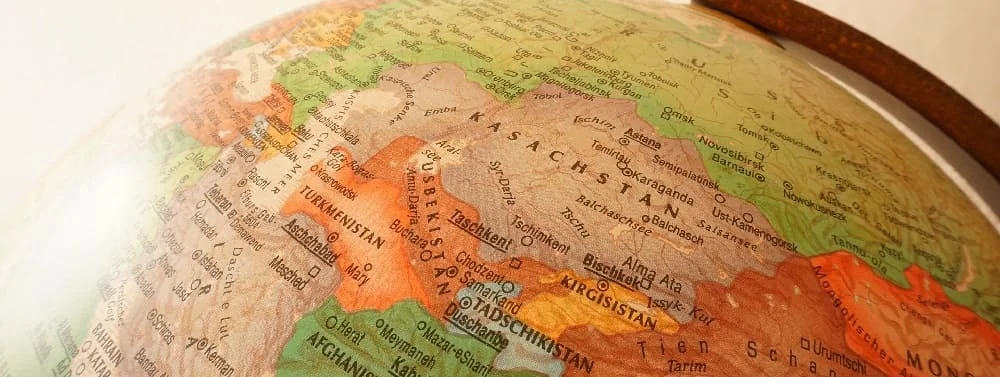
Area: 2.7 million km²
Population: about 20.5 million people
Capital: Astana
From the 6th to the 13th century, the territory of modern Kazakhstan was successively part of various khaganates — medieval states of nomadic peoples. After the conquests of Genghis Khan, these lands became part of the Mongol Empire.
In the 15th–16th centuries, Kazakh khanates began to take shape here, inhabited by the ancestors of modern Kazakhs. In the 18th century, Kazakhstan gradually began to be incorporated into the Russian Empire — both peacefully and through armed conflict. This process was completed in the 19th century.
After the collapse of the USSR in 1991, Kazakhstan became an independent state. Today, Russians still make up a significant part of the country’s population, and the Russian language continues to play an important role in public and official life.
Algeria
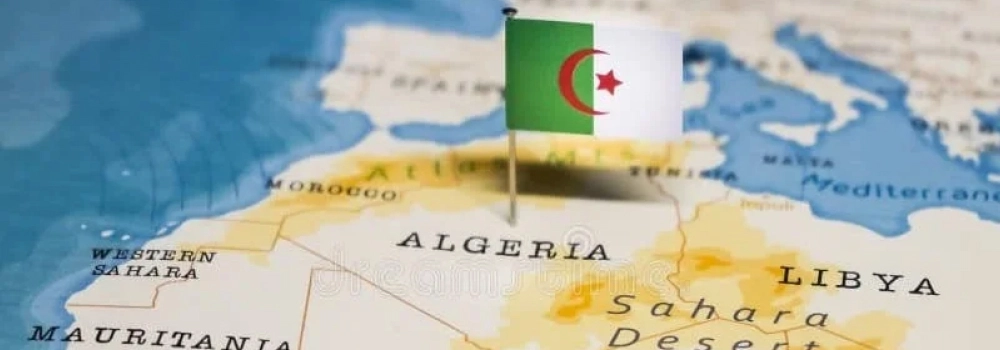
Area: 2.38 million km²
Population: 47.8 million people
Capital: Algiers
Algeria is the largest country in Africa by area. The first signs of civilization on its territory date back to the 3rd century BCE. In ancient times, Berber tribes lived here, and in different historical periods these lands were under the influence of Phoenicia, Carthage, and the Roman Empire.
From the 16th century until the beginning of French colonization, Algeria was part of the Ottoman Empire. During that period, it was known as one of the centers of the Barbary pirates operating in the Mediterranean. In 1830, France launched a military campaign against Algeria, which led to the fall of Ottoman influence and the establishment of French control. The country gained independence only in 1962 after a long and bloody war.
Today, Algeria’s economy largely depends on oil and gas exports. At the same time, in recent history the country went through a difficult period: from 1991 to 2002, Algeria experienced a civil war. Crime also remains an ongoing issue.
FAQ
 Which countries are in the top ten largest by area in the world?
The ten largest countries by area are Russia, Canada, the USA, China, Brazil, Australia, India, Argentina, Kazakhstan, and Algeria.
Which is larger by area, China or the USA?
What place does the USA rank by area?
Which country has the largest population in 2026?
Which is larger, Canada or the USA?
What is the largest country in Europe?