Caribbean CBI programs enable individuals to acquire second citizenship by making an economic contribution to a participating country. Common investment routes include donations to national development funds, real estate purchases, or investments in approved business projects. Most programs do not require physical residency, making them ideal for internationally mobile investors.
Why Choose Caribbean CBI in 2025?
- Global Mobility: Visa-free access to over 140+ destinations, including the Schengen Area, UK, and Singapore.
- Tax Advantages: No tax on worldwide income, capital gains, or inheritance in most jurisdictions.
- Speed: Full processing in 4–12 months, significantly faster than European routes, which typically require residency and multi-year physical before citizenship.
2025 Regulatory Updates
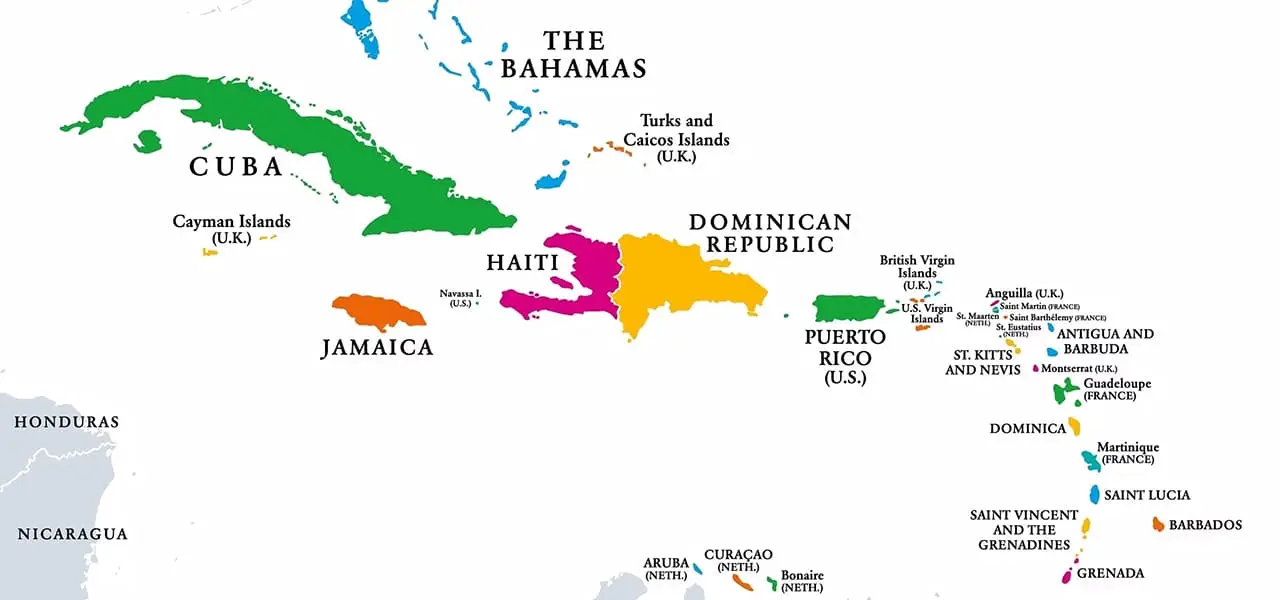
In October 2025, the European Parliament’s LIBE Committee approved amendments to EU Regulation 2018/1806, allowing the suspension of visa-free Schengen access for nationals of countries offering CBI programs. The Caribbean nations potentially affected include Antigua and Barbuda, Dominica, Grenada, St. Kitts and Nevis, and St. Lucia – all of which currently offer visa-free entry to the Schengen Zone.
In response, these five nations are implementing the Eastern Caribbean Citizenship by Investment Regulatory Authority (ECCIRA) – a regional body designed to harmonise standards and reinforce program integrity.
ECCIRA Framework Includes:
- Uniform regulations across all five programs;
- Biometric due diligence and enhanced applicant screening;
- Mandatory 30-day residency for new applicants;
- Annual application quotas to manage demand;
- Cross-border enforcement, including agent blacklisting;
- Centralised CARICOM database for transparency and security.
ECCIRA is headquartered in Grenada, with satellite offices across member states. Once ratified, it will serve as the central authority for compliance, licensing, and oversight of all Eastern Caribbean CBI applications.
Application Statistics Across Caribbean Nations
The table below summarises official statistics from the European Commission on CBI programs.
| Country |
Applications Received |
Rejections |
Passports Issued |
| Antigua and Barbuda |
- 3,719 (2014–2022)
- 685 (2023)
- 739 (2024 to 30 Jun)
|
- 157 (2014–2022)
- 24 (2023)
- 23 (2024)
|
- 7,205 (2014–2022)
- 1,191 (2023)
- 198 (2024 to 30 Jun)
|
| Dominica |
- 13,161 (2015–2022)
- 4,068 (2023)
- 2,981 (2024 to 30 Jun)
|
- 420 (2019–2022)
- 210 (2023)
- 180 (2024)
|
- 34,596 (2018–2022; 2022 data under verification)
- 9,539 (2023)
- 5,484 (2024 to 30 Jun)
|
| Grenada |
- 3,151 (2014–2022)
- 1,251 (2022)
- 2,297 (2023)
- 138 (2024 to 31 Jul)
|
|
- 6,479 (2014–2022)
- 2023–2024: N/A
|
| Saint Kitts and Nevis |
- 17,668 (2015–2022)
- 1,987 (2023)
- 98 (2024 to 30 Jun)
|
- 204 (2015–2022)
- 207 (2023)
- 4 (2024)
|
- 35,577 (2015–2022)
- 2023–2024: N/A
|
| Saint Lucia |
- 2,013 (2015–2022)
- 4,076 (2023)
- 1,226 (2024 to 30 Apr)
|
- 70 (2015–2022)
- 28 (2023)
- 81 (2024)
|
N/A |
Note: Passport issuance often exceeds application volume due to family inclusions. A single approved application may result in multiple passports for dependents.