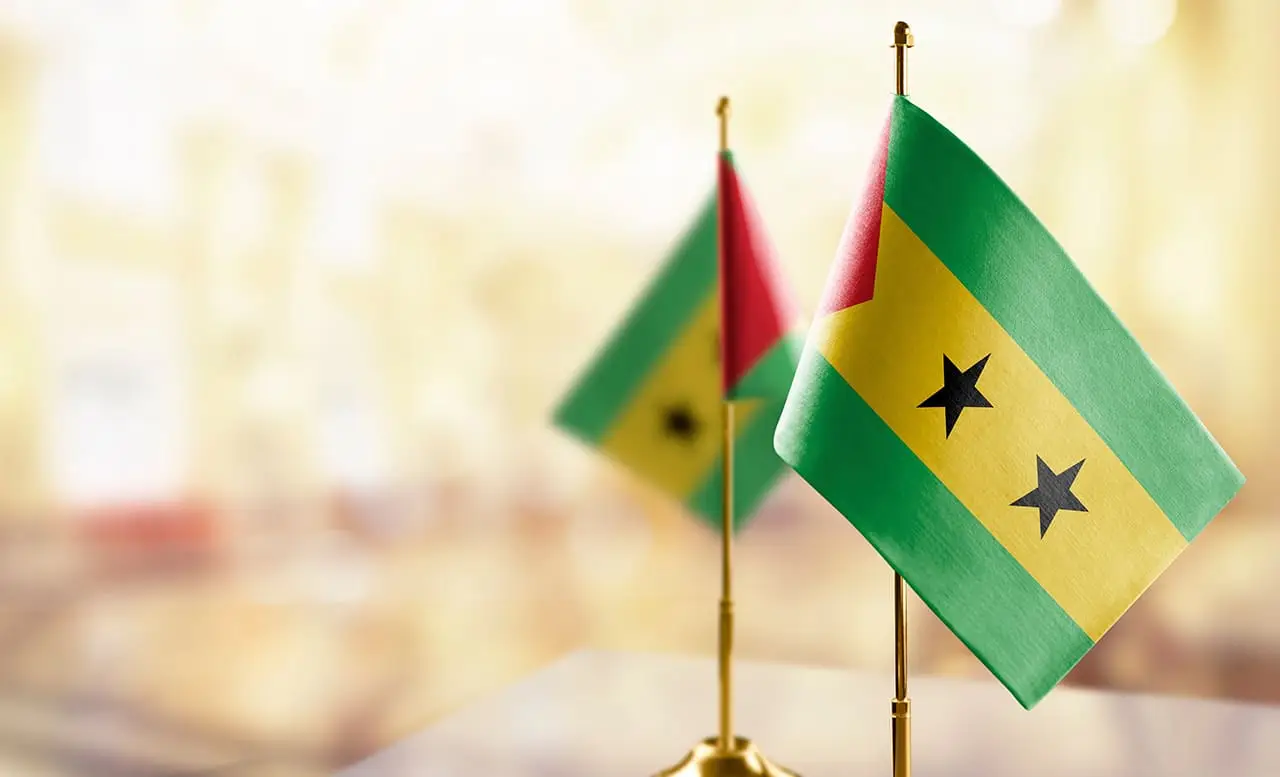
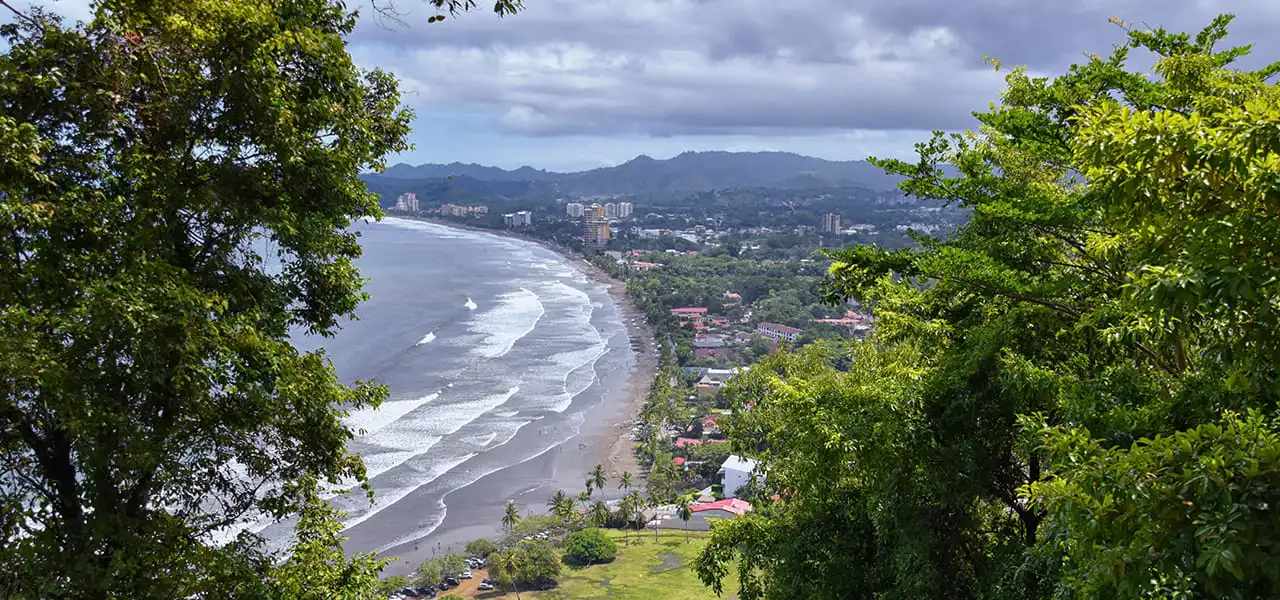
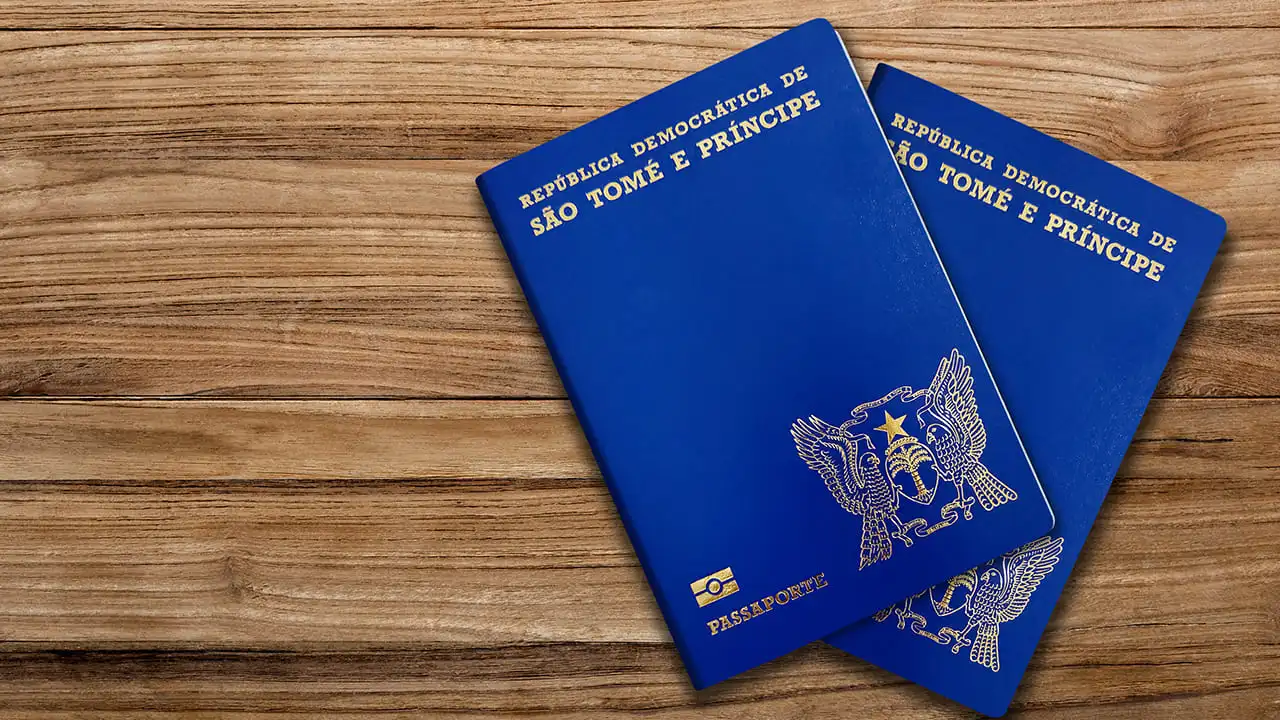
São Tomé and Príncipe is located in the Gulf of Guinea, off the western coast of Central Africa, about 250 km from Gabon. The islands sit almost directly on the equator, giving them a year-round tropical climate and making them one of the most biodiverse and ecologically pristine destinations in the Atlantic.
| Feature |
Detail |
| Capital |
São Tomé |
| Population |
~240,000 |
| Official Language |
Portuguese |
| Currency |
São Tomé and Príncipe Dobra (STN), pegged to EUR: 1 EUR ≈ 24,700 STN (as of September 2025) |
| Climate |
Tropical, humid, 25–28°C year-round |
| Time Zone |
GMT |
| Area |
1,001 km² (São Tomé) + 142 km² (Príncipe) |
São Tomé and Príncipe carries a deep Portuguese heritage that remains visible in the country’s culture, architecture, and language. Discovered by Portuguese explorers in the late 15th century, the islands remained under Portuguese colonial rule for nearly 500 years, serving as a strategic outpost and later as an important center for sugar, coffee, and cocoa production. To this day, Portuguese is the official language, reflecting centuries of cultural exchange, while colonial-era churches, forts, and plantation houses continue to shape much of the islands’ architectural landscape.
The movement for independence gained momentum in the 1960s, in line with broader African decolonization. After Portugal’s Carnation Revolution in 1974, negotiations advanced quickly, and São Tomé and Príncipe declared independence on July 12, 1975. The country adopted a one-party socialist system at first, led by the Movement for the Liberation of São Tomé and Príncipe (MLSTP).
In the early 1990s, São Tomé and Príncipe transitioned to a multi-party democracy, one of the first African nations to do so peacefully. Since then, it has maintained a relatively stable political environment, with regular elections and a reputation as one of the most democratic countries in Africa.