The easiest countries to immigrate to in 2026 share several traits: they welcome foreign income, recognise remote work and retirement as legitimate bases for residency, process applications within months rather than years, and avoid excessive physical-presence requirements. For many applicants, ease is also practical: affordable healthcare, accessible banking, family inclusion, and the ability to plan tax and residency status without constant uncertainty.
This guide identifies the countries where immigration is realistically manageable, not just legally possible. Whether you are a retiree seeking stability, a remote professional prioritising mobility, or an investor looking for long-term optionality, the destinations below offer some of the most straightforward pathways available today.
What Makes a Country ‘Easy’ to Immigrate To?
Determining which countries are easiest to immigrate to involves a combination of legal clarity, financial feasibility, processing efficiency, and quality-of-life factors. An “easy” country provides transparent requirements, predictable outcomes, and a realistic path to long-term residency or citizenship without excessive bureaucracy. For investors, remote workers, retirees, and lifestyle migrants, the ideal destination balances accessibility with long-term security, including family inclusion, healthcare, and investment options.
1. Clear and Low-Barrier Visa Options
Countries that simplify entry provide straightforward visa categories tailored to specific groups: retirees, digital nomads, investors, and skilled professionals. Clarity in eligibility such as income thresholds, proof of accommodation, and permitted activities reduces uncertainty and speeds decision-making.
2. Fast Processing Times & Predictable Approvals
An “easy” country processes applications efficiently and consistently, ideally within months rather than years. High approval rates and predictable timelines are critical for planning relocation, securing housing, opening bank accounts, and transferring assets. Countries with long backlogs, unclear review standards, or discretionary approvals create logistical and financial stress for newcomers, even if other criteria are favourable.
3. Low Income Requirements or Minimal Savings
Visa programs with affordable income or savings thresholds are far more accessible to retirees, freelancers, and remote professionals. Some nations require only modest passive income or low bank balances to qualify, allowing individuals and families to move without selling major assets or making high-risk investments. This low barrier encourages broader participation while still complying with local standards for financial stability.
4. Straightforward Path to Permanent Residency or Citizenship
Immigration ease is measured not only by entry, but by how quickly and clearly one can establish permanent residence or citizenship. Countries offering straightforward, stepwise residency renewal, clear naturalisation timelines, and minimal in-country stay requirements allow applicants to plan long-term life, business, and investment strategies. Complicated multi-stage residency or ambiguous naturalisation rules create unnecessary hurdles, even if the initial visa is simple to obtain.
5. Lifestyle Compatibility
Practical relocation is inseparable from lifestyle considerations. Safety, healthcare quality, climate, housing affordability, access to international schools, and community infrastructure affect the long-term viability of a move. An “easy” country combines legal simplicity with comfortable, secure living conditions. Even with the fastest visa and lowest financial thresholds, a poor quality of life can negate the advantages of a seemingly easy immigration path.
The 10 Easiest Countries to Immigrate to in 2026
The following countries consistently rank as the easiest destinations for relocation in 2026 due to clear visa frameworks, low financial barriers, and reliable pathways to residency or citizenship. Each profile highlights visa options, eligibility criteria, processing times, and lifestyle considerations, helping investors, retirees, remote workers, and families make informed decisions.
Portugal
Portugal combines political stability, quality healthcare, and a welcoming environment with clear immigration programs. Its Mediterranean climate, safety, and strong expat infrastructure make it attractive for retirees, investors, and skilled professionals, The country offers several visas designed for different needs, all with predictable processes and reasonable financial requirements.
The Portuguese government plans to extend the naturalisation route from 5 up to 7-10 years.
Visa Options
D7 Passive Income Visa
- Who it’s for: Retirees, remote workers, and individuals with stable passive income.
- Income requirements: ~€870/month (minimum Portuguese wage) for the main applicant) + proof of 12 months of this income in a Portuguese bank (~€10,440).
- Processing time: 2-3 months for the initial residence permit.
- Lifestyle fit: Ideal for those seeking a relaxed lifestyle with access to Portugal’s healthcare system, cultural amenities, and safe, well-connected urban centres.
2. Golden Visa
- Who it’s for: Investors aiming for EU residency and potential citizenship.
- Investment options: Cultural projects or heritage projects (from €250,000), job creation or qualifying funds (from €500,000).
- Processing time: ~18 months.
- Lifestyle fit: Attractive for investors seeking EU residency while maintaining flexible travel and low minimum stay requirements.
- Family eligibility: Spouse, children, and dependent parents can be included.
Astons specialises in assisting investors with the Greek Golden Visa program exclusively through fund-based investments.
3. Independent Work Activity
- Who it’s for: Entrepreneurs, tech professionals, freelancers, and business owners seeking to establish an economic presence in Portugal
- Processing time: 2-3 months.
- Lifestyle fit: Designed for innovators and professionals who want access to the EU market and a supportive business environment.
Independent Professional Activity
Applicants must provide:
- A valid contract or service proposal for recognised professions.
- Certification of professional competence from the relevant Portuguese authorities (if applicable)
Entrepreneurs
Applicants must provide:
- Proof of executed investments or capital allocation
- Evidence of financial means in Portugal and intent to invest locally
Startup Visa Program
Applicants must provide:
- A declaration from IAPMEI confirming an incubation contract with a certified incubator
- Evidence of financial sustainability and a viable business plan
Note: Means of subsistence can be proven via employment/service contracts, company revenues, or a signed declaration from hosting entities.
Greece
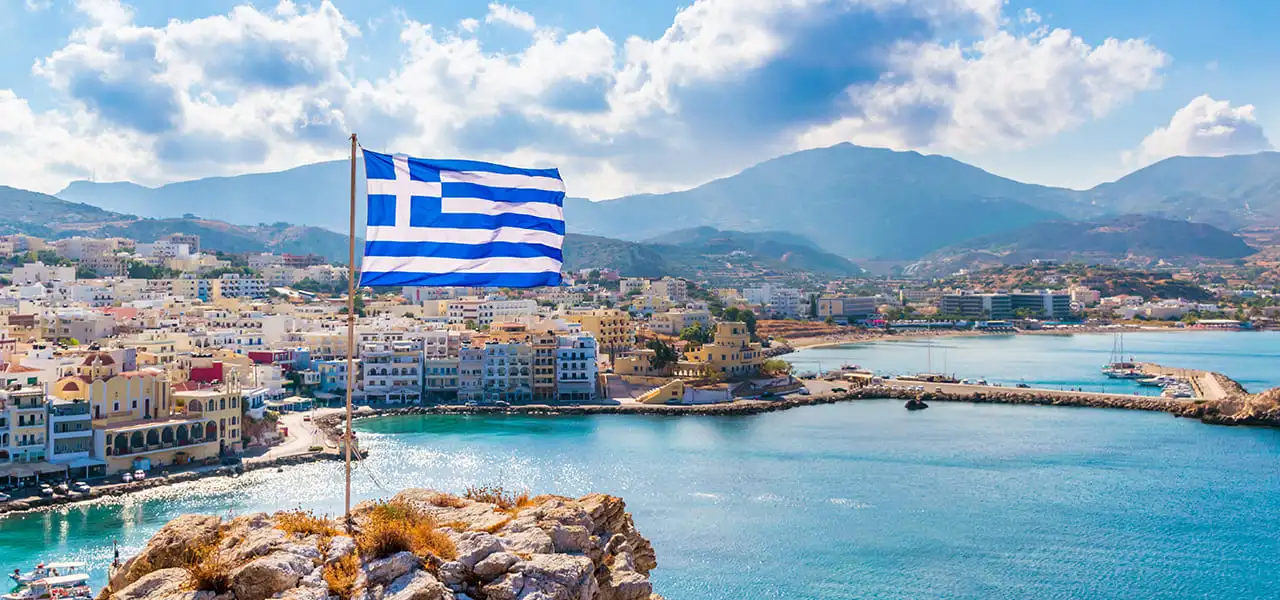
Greece offers a blend of Mediterranean lifestyle, affordable living, and strategic EU access, making it an attractive choice for retirees, investors, and remote workers. With efficient residency pathways and family-friendly policies, Greece provides multiple legal avenues to establish long-term residence or eventual citizenship.
Visa Options
1. Golden Visa
- Who it’s for: Investors seeking EU residency without the requirement to live locally.
- Investment options: Real estate starting at €250,000, government-approved strategic funds, or alternative qualifying investments.
- Processing time: 4+ months.
- Family eligibility: Spouse, children, and dependent parents can be included.
Options
- Real Estate Investment (most popular route):
- €800,000: Prime locations such as Athens (Attica), Thessaloniki, Mykonos, Santorini, and other major islands; with minimum ~120 m² per unit.
- €400,000: Other eligible regions; single residential property meeting size requirements
- €250,000: Special cases, e.g., historic property restorations; renovations must comply with program rules.
Alternative (non‑real estate) Investment routes:
- €500,000: Fixed‑term deposit in a Greek bank.
- €500,000: Greek government bonds or participation in a real estate investment company (REIC) or closed‑end investment company focused on Greece.
- €350,000: Alternative Investment Funds (AIFs) focused on Greek assets (e.g., real estate portfolios).
- €800,000: Certain publicly traded financial instruments (shares/corporate bonds), depending on conditions.
Financially Independent Persons (FIP) Visa
- Who it’s for: Retirees, remote workers, or anyone with sufficient income who does not intend to work in Greece.
- Income requirements: Minimum €3,500/month;add 20% for spouse and 15% per child. Bank balance requirement: €48,000 for the main applicant, adjusted for family members.
- Processing time: 2-3 months for initial residence permit.
- Lifestyle fit: Suited for those seeking a relaxed Mediterranean lifestyle, access to healthcare, and family inclusion.
Digital Nomad Visa
- Who it’s for: Remote workers employed by foreign companies or freelancers with international clients.
- Income requirements: Minimum monthly income €3,500; additional 20% for spouse and 15% per child. Applicants must provide proof of rental or property ownership in Greece.
- Processing time: 1-2 months for the initial residence permit.
- Lifestyle fit: Ideal for digital nomads seeking a Mediterranean base with EU residency. Initial permit is 1 year, extendable up to 3 years.
Business / Self-Employment Visa
- Who it’s for: Entrepreneurs, independent professionals, or business owners planning to operate in Greece.
- Income requirements: Proof of sufficient funds to establish a business (typically €60,000), a detailed business plan, and evidence of economic significance.
- Processing time: 2–3 months for initial residence permit.
- Lifestyle fit: Suitable for professionals and business owners looking to access the Greek market and EU residency. Initial permit is 2 years, renewable.
Turkey
Turkey offers a unique bridge between Europe and Asia, with a warm climate, vibrant culture, and strategic geographic position. The country has simplified residency pathways for investors, remote workers, and retirees, making it appealing for those seeking fast legal residence or eventual citizenship. Its investment programs are particularly attractive because they combine relatively low minimums with the possibility of including family members.
Visa Options
Golden Visa / Citizenship by Investment
- Who it’s for: Individuals seeking Turkish residency or citizenship via investment.
- Investment options: Minimum $400,000 in real estate, or alternative investments such as bank deposits, government bonds, or capital in businesses (often $500,000+).
- Processing time: 8+ months.
- Lifestyle fit: Perfect for investors and families seeking EU-adjacent residency or citizenship, no minimum stay requirement, and family inclusion for spouse and dependent children.
Property Investment Residence Permit
- Who it’s for: Foreigners purchasing property in Turkey who want long-term residence.
- Investment requirements: Property ownership of at least ~$200,000 (regional variations may apply)
- Processing time: 2+ months for the initial residence card.
- Lifestyle fit: Suitable for those wanting stable, long-term residence in Turkey through property ownership. Permit renewals are possible as long as the property is maintained.
Digital Nomad Visa
- Who it’s for: Remote employees, freelancers, and entrepreneurs working for non-Turkish companies or clients.
- Eligibility requirements: Proof of remote work (employment contract or freelance agreements with non-Turkish clients), minimum monthly income of approximately $3,000 or $36,000 annually
- Processing time: Around 1-2 months, begins with an online Digital Nomad Certificate followed by residence permit application.
- Lifestyle fit: Ideal for digital nomads seeking a low-cost Mediterranean lifestyle, vibrant cities like Istanbul, coastal living in Antalya or Bodrum, reliable internet, and easy access to Europe, the Middle East, and Asia. Employment with Turkish companies is not permitted.
Mexico
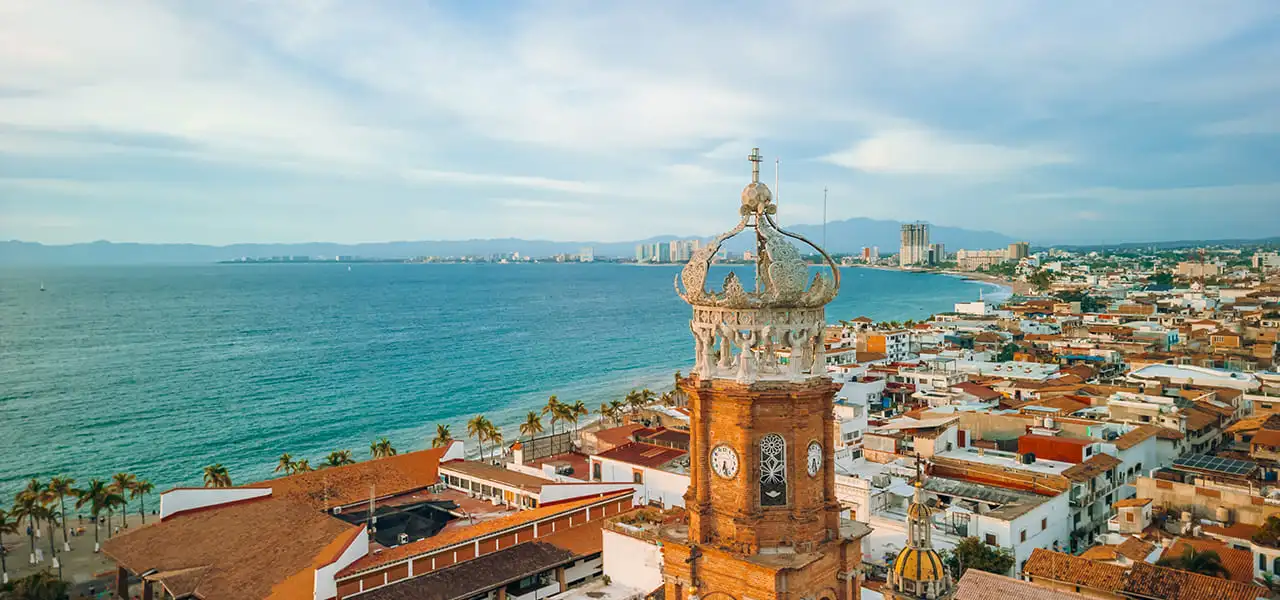
Mexico is widely regarded as one of the most accessible and affordable countries for relocation in 2026. Its immigration framework is straightforward, with clear pathways based on income, savings, or retirement funds.
The country’s vibrant culture, warm climate, and established expat communities make it attractive for retirees, remote workers, and lifestyle migrants alike. After fulfilling temporary residency requirements, applicants can transition to permanent residency, with citizenship possible after five years of legal residency.
Visa Options
Temporary Resident Visa
- Who it’s for: Retirees, remote workers, freelancers, and long-term visitors who want to live in Mexico without immediate permanent status.
- Financial requirements: Proof of monthly income of approximately $2,000 or savings of around $30,000 (varies slightly by consulate).
- Processing time: Around 1-2 months, typically initiated at a Mexican consulate abroad.
- Lifestyle fit: Flexible long-term stay with relatively low costs of living. Renewable annually up to four years, after which permanent residency eligibility beings.
Permanent Resident Visa
- Who it’s for: Individuals transitioning from temporary residency or retirees with higher income.
- Financial requirements: Higher income or savings thresholds than temporary visas, often $3,500/month or equivalent savings.
- Processing time: 1-2 months.
- Lifestyle fit: Flexible long-term stay with relatively low costs of living. Renewable annually up to four years, after which permanent residency eligibility begins.
Pensionado (Retiree) Program
- Who it’s for: Retirees with guaranteed lifetime income such as pensions or government benefits.
- Income requirements: Typically around $2,000/month in pension or retirement income.
- Processing time: 1-2 months at a Mexican consulate.
- Lifestyle fit: Perfect for retirees seeking affordable living, warm climate, and access to healthcare, with a straightforward path to permanent residency.
Costa Rica
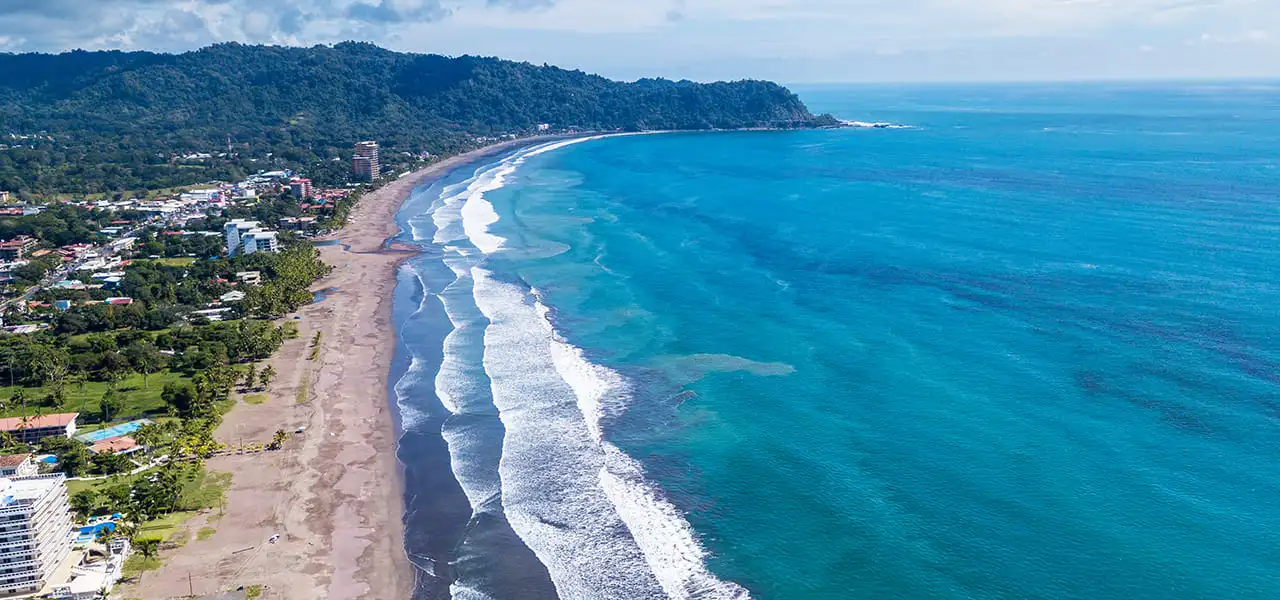
Costa Rica is a top choice for retirees, remote workers, and lifestyle migrants due to its stable democracy, robust healthcare system, and welcoming approach toward foreigners. The country’s immigration policies prioritise proof of financial stability over age, profession, or large investments, making it relatively easy to obtain temporary or permanent residency.
Citizenship is possible after 5 years of legal residence for Central Americans and 7 years for other nationals. Costa Rica’s natural beauty, safety, and family-friendly infrastructure make it both easy to move to and enjoyable to live in long term.
Visa Options – Costa Rica
Pensionado (Retirement Residency)
- Who it’s for: Retirees with a guaranteed lifetime pension income.
- Income requirements: Minimum $1,000 per month from a pension or retirement fund.
- Processing time: Approximately 3-6 months.
- Lifestyle fit: Ideal for retirees seeking a peaceful, tropical lifestyle with access to Costa Rica’s healthcare system.
Rentista (Financially Independent Residency)
- Who it’s for: Individuals without pension but with stable income or savings.
- Income / savings requirements:
-
- $2,500/month in stable income for 2 years or
- $60,000 deposit in a Costa Rican bank (disbursed monthly over 2 years)
- Processing time: Around 3-6 months.
- Lifestyle fit: Perfect for remote workers, investors, or financially independent individuals. Local employment is not permitted.
Digital Nomad Visa
- Who it’s for: Remote workers and freelancers employed by foreign companies or clients.
- Income requirements:
-
- $3,000/month for individuals
- $4,000/month for families
- Residence duration: 12 months, extendable to 24 months.
- Lifestyle fit: Ideal for digital nomads seeking flexibility, legal clarity, and a nature-focused lifestyle.
Investor Residency
- Who it’s for: Investors seeking residency through capital investment.
- Investment requirements: Minimum $150,000 in real estate, business, or qualifying projects (reduced to $100,000 for certain strategic investments in rural or tourism areas)
- Processing time: Around 6 months.
- Lifestyle fit: Suitable for investors who want residency with a moderate capital commitment while benefiting from Costa Rica’s stable economy and quality of life.
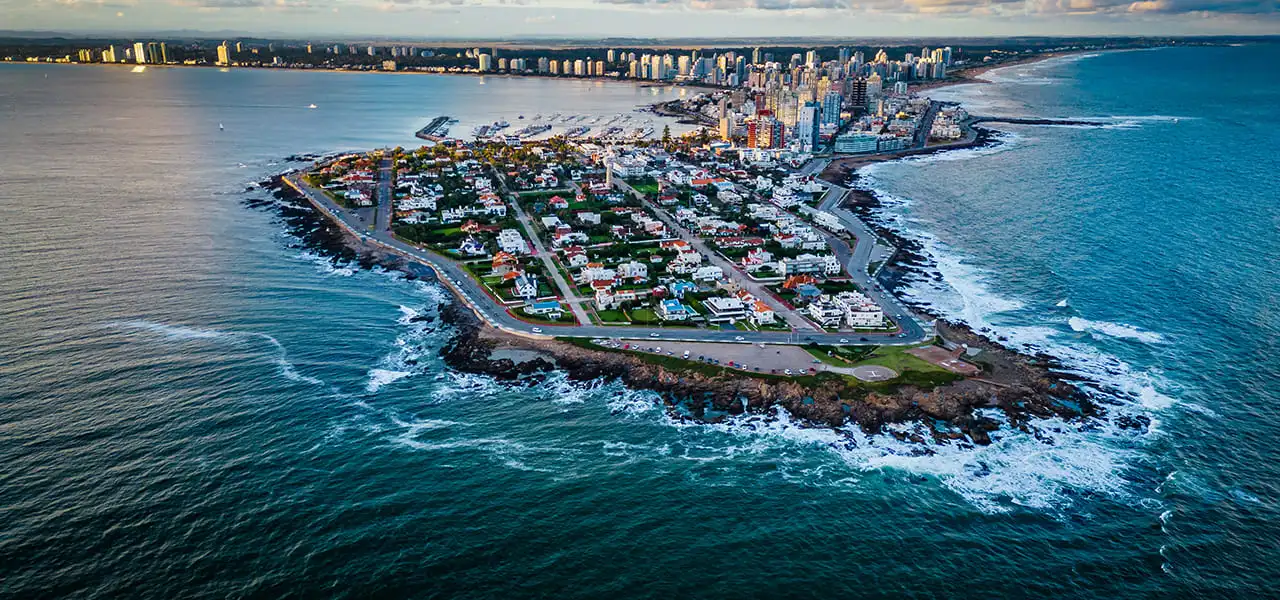
Uruguay
Uruguay is widely regarded as one of the simplest and most straightforward countries to immigrate to in 2026. Its policies focus on proof of stable livelihood and intent to reside rather than age, profession or large investments. Applicants can obtain permanent residency from the outset, eliminating the need for multiple temporary visas. The country combines political stability, transparent bureaucracy, strong institutions, and a safe, family-friendly environment, making it an attractive destination for retirees, remote workers, and investors alike.
Visa Options
Permanent Residency
- Who it’s for: Foreign nationals seeking long-term residence, including retirees, remote workers, and families.
- Income requirements: No strict minimum; applicants must demonstrate sufficient regular income (salary, pension, or remote work income). In practice, around $1,500/month is commonly accepted.
- Processing time: Approximately 6-12 months, with the right to live in Uruguay while the application is pending.
- Lifestyle fit: Ideal for those who want immediate permanent status, legal certainty, and freedom to work locally or remotely.
Provisional Identity Card for Remote Workers (Uruguay)
Foreign nationals working remotely for companies or clients outside Uruguay who want to live in the country legally.
- Eligibility requirements:
-
- Proof of remote employment or freelance contracts with foreign companies/clients
- Minimum monthly income of around $1,500 – $2,000
- Clean criminal record and valid passport
- Health insurance covering Uruguay
- Duration: Initially granted for 1 year, renewable annually. The visa allows the holder to live in Uruguay without working locally.
- Processing time: Typically 2-4 months from application submission.
- Lifestyle fit: Perfect for digital nomads seeking a safe, low-stress environment with affordable living and strong quality of life for families.
Residency by Investment
- Who it’s for: Foreign investors and high‑net‑worth individuals aiming to establish legal residency based on economic contribution.
Investment requirements:
- Typical thresholds considered by immigration/tax authorities:
- Real estate: Approximately $520,000–$557,000+ with at least 60 days of physical presence per year (used most often for tax residency plus immigration strength).
- Business investment: $2,180,000+ in a Uruguayan company that creates ≥15 full‑time jobs.
Smaller investments can qualify, but they generally require a stronger economic impact justification.
- Processing time: Typically 6-12 months.
- Physical presence requirement: At least 60 days per calendar year.
- Lifestyle fit: Best for investors seeking a stable South American base, strong property rights, low bureaucracy, and high quality of life. Uruguay offers safe cities, reliable healthcare, and welcoming communities for retirees and families.
Georgia
Georgia has emerged as one of the most accessible countries in the world for long-term relocation. Its immigration system is highly flexible, with minimal bureaucracy and a welcoming stance toward foreigners. Citizens of over 90 countries can enter visa-free for up to 365 days, allowing digital nomads, remote workers, and prospective residents to settle in the country immediately and test life before committing to formal residency.
The low cost of living, streamlined banking, favourable tax regime, and strong entrepreneurial environment make Georgia attractive for investors and business founders seeking long-term economic presence.
Visa Options
Visa‑Free Entry (Up to 365 Days)
- Who it’s for: Citizens of 95+ countries (including the EU, USA, Canada, Australia) who want to live or work remotely in Georgia without a visa.
- Requirements: Valid passport with six months’ validity; no formal visa application required.
- Lifestyle fit: Perfect for digital nomads and long-term travelers seeking immediate relocation options, freedom to explore the country, and the ability to assess Georgia before committing to a formal residency program.
Temporary Residence Permit – Individual Entrepreneur
- Who it’s for: Freelancers, entrepreneurs, and remote workers planning to establish legal residency beyond the visa-free period.
- Requirements:
-
- Register as an Individual Entrepreneur (IE) or establish a local business;
- Proof of income and ongoing business activity.
- Legal address in Georgia
- Processing time: Often 1-2 months.
- Lifestyle fit: Ideal for remote professionals or small business owners seeking stable legal residency, banking access, and integration into the Georgian economy.
Investment / Entrepreneur Residency
- Who it’s for: Investors and entrepreneurs aiming to establish a long-term business or economic presence in Georgia.
- Investment requirements: Around $300,000 in business operations or approved real estate.
- Processing time: ~2–3 months.
- Lifestyle fit: Suitable for high-net-worth individuals and families seeking residency, EU-adjacent mobility, and access to Georgia’s growing business and financial opportunities.
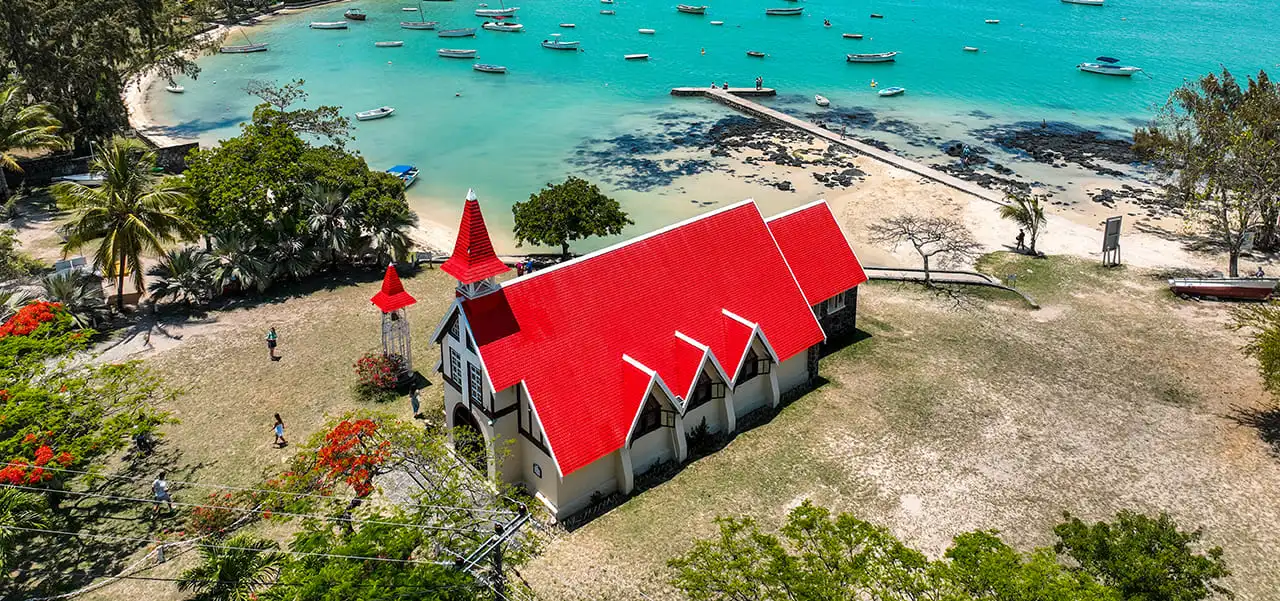
Mauritius
Mauritius is a tropical island nation with strong appeal for expats, retirees, investors, and digital nomads. Its political stability, competitive tax environment, and clear immigration pathways make it an attractive option for long-term relocation. While citizenship is not automatically granted through investment, the country offers several legal routes to live, work remotely, or invest, allowing applicants and their families to settle comfortably in a multilingual, cosmopolitan environment.
Visa Options
Premium Visa
- Who it’s for: Remote workers, freelancers, digital nomads, and retirees seeking long-term residence without engaging in local employment.
- Income requirements: Minimum $1,500/month in foreign income; additional funds required for dependents.
- Processing time: Fast, often completed within days or weeks; online applications available.
- Lifestyle fit: Ideal for those wanting a tropical island lifestyle, combining work flexibility with safety, good healthcare access, and recreational amenities. Valid for 6-12 months, renewable.
Residency by Investment
- Who it’s for: Investors and high‑net‑worth individuals aiming for long‑term residence and potential permanent residency.
- Investment options:
-
- Real estate: Typically $375,000+ in approved residential developments.
- Business investment: $50,000+ in approved ventures, including tourism, IT, or agro-industry.
- Processing time: Generally 3-8+ months depending on the pathway and documentation.
- Lifestyle fit: Suited for investors and families seeking long-term settlement, access to banking, healthcare, and quality schooling.
Retired Non-Citizen
- Who it’s for: Foreign nationals aged 50 years or above.
- Income / financial requirements:
Applicants must show they can support themselves from abroad by:
- A guaranteed minimum income of $2,000 per month or
- A certified bank statement showing at least $ 24,000 annually credited into a local Mauritian bank account.
- Residence permit validity: 10 years.
- Lifestyle fit: Perfect for retirees seeking long-term security, tropical climate, and relaxed lifestyle, with the ability to include family members under the same permit.
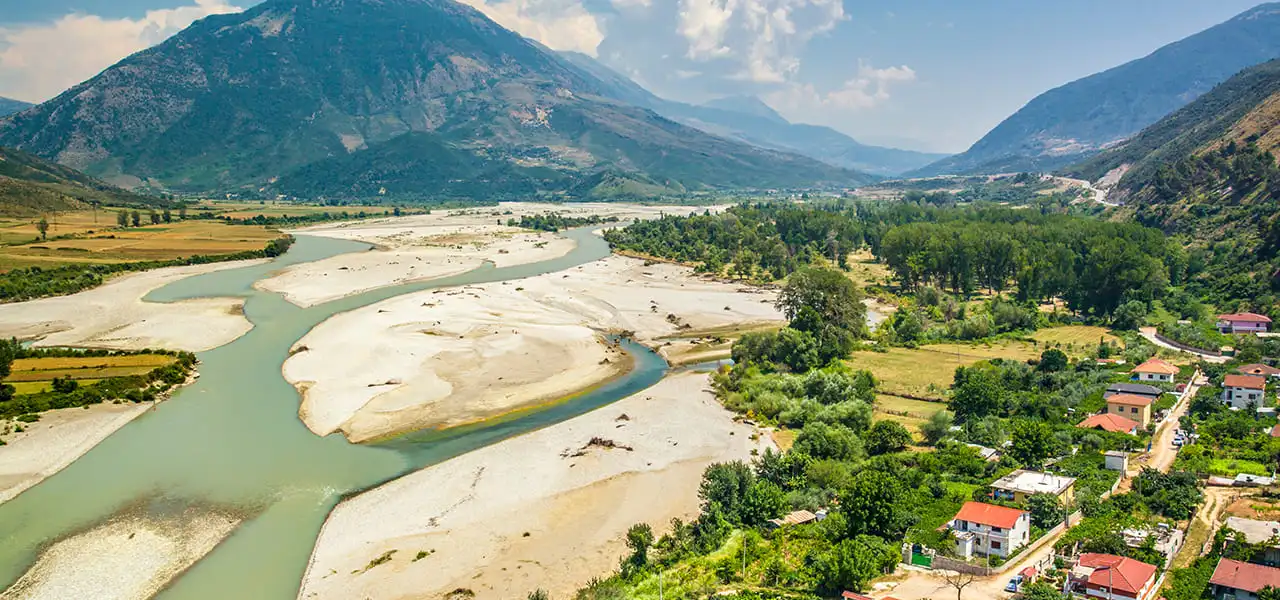
Albania
Albania is gaining popularity among expats, retirees, and remote workers due to its flexible immigration policies, low bureaucracy, and affordable cost of living. Citizens of many countries can enter visa-free for up to 90 days, and in some cases up to a year without a residence permit. For longer stays, Albania provides straightforward residency permits with short processing times, typically 30-60 days. Its Mediterranean climate, safe cities, and welcoming population make it an attractive and practical relocation destination.
Visa Options
Unique Permit
- Who it’s for: Remote workers and freelancers employed abroad.
- Income requirements: Proof of foreign income sufficient to support stay (typically ~$290/month or $2,700 in savings), health insurance, and proof of local accommodation.
- Processing time: ~1-2 months.
- Lifestyle fit: Ideal for digital nomads seeking a low-cost Mediterranean base with flexible stay duration. Initial permits are usually valid for 1 year and extendable, while citizens of the U.S., EU, and Kosovo may receive up to 5 years immediately.
Practically, most expats report that demonstrating ~$900 makes approval much smoother, especially if including family members.
2. Retiree / Pensioner Residence Permit
- Who it’s for: Foreign nationals aged 50+ or retirees seeking to live in Albania.
- Income requirements:
-
- Minimum pension: ~$1,050 USD/month
- Proof of ongoing pension deposits into a bank account
- Health insurance valid in Albania and proof of accommodation
- Family inclusion is allowed; income requirements increase proportionally for spouse/partner and children.
- Processing time: ~1-2 months.
- Lifestyle fit: Perfect for retirees seeking a Mediterranean lifestyle with low living costs, safety, and access to healthcare. Official local employment is not allowed under this permit.
Business / Investor Residence Permit
- Who it’s for: Entrepreneurs and investors planning to establish or invest in a business in Albania.
- Investment requirements:
-
- Minimum investment: $90,000–$105,000 in an approved business.
- Business plan showing economic contribution and sustainability
Evidence of job creation, typically 1-3 employees depending on sector
- Processing time: ~2–3 months for initial residence permit, depending on document completeness
- Duration & renewal: Initial permit typically 1-2 years, renewable as long as the business remains operational and compliant with Albanian regulations.
- Lifestyle fit: Ideal for entrepreneurs and investors seeking legal residence, family inclusion, and access to Albania’s low-cost Mediterranean environment while engaging in local business.
Factors That Make Immigration Hard
Even in countries with relatively easy immigration pathways, certain obstacles can complicate relocation and extend timelines. Understanding these hurdles helps investors, retirees, and remote workers plan more efficiently.
- High income thresholds: Some countries demand substantial monthly earnings or large bank balances, which can block retirees, freelancers, or moderate-income applicants.
- Unpredictable approval processes: Lack of transparency or inconsistent decisions increases uncertainty and may lead to delays or repeated applications.
- Strict in-country presence requirements: Programs requiring frequent or prolonged stays can be difficult for remote workers, mobile professionals, or business investors.
- Language or skills tests: Mandatory proficiency exams or professional certifications can pose challenges for those relocating without local experience or qualifications.
- High investment minimums: Some pathways require large capital outlays, limiting access to high-net-worth individuals and excluding moderate-income applicants.
By anticipating these factors, prospective immigrants can focus on countries and programs that balance ease of entry, financial requirements, and lifestyle goals.