



































 +44 207 043 6026
  +357 252 30233
  +971 454 01311
  +902 129 008 710
  +302 112 340 656
  +1 (888) 2033901


Buying Real Estate with Cryptocurrency: How and Where to Do It in 2026
-
 13-minute read
 -
2,216 views
-
Share
 13-minute read
 2,216 views
 Share
Share
Susanna Uzakova
Senior Citizenship & Residency Advisor
- Last edited: April 29, 2026
- Published: February 24, 2026
In 2026, buying real estate with cryptocurrency is legally possible in many countries, though the process depends on local regulations. In crypto-friendly markets like the UAE, Portugal, Turkey, and El Salvador, buyers can use Bitcoin, Ethereum, or stablecoins to purchase property directly or through licensed intermediaries. In others — like the U.S., Cyprus, and Thailand — crypto is accepted but typically converted to local currency during the transaction. Tax treatment varies: some countries exempt long-term holdings, while others apply capital gains. Legal compliance and AML checks are essential in all cases. To help you navigate this landscape, we’ve compiled a country-by-country guide to crypto real estate in 2026.
| Country | Direct payment in crypto is allowed | Possibility of purchase via conversion | Taxes on purchase | Taxes on gains |
|---|---|---|---|---|
| Portugal | Yes | Yes, if you sell crypto on a licensed exchange | 0-8% transfer tax + 0.2-0.5% notary | 0% if held for >365 days; 28% if <365 days |
| Germany | No | Yes, only through conversion | 3.5–6.5% Grunderwerbsteuer + 1% notary | 0% if kept >12 months; 0-45% if <12 months |
| Switzerland | Yes | Yes | 0.25–1% notary and cadastral fees | 0% if you trade irregularly |
| Bulgaria | No | Yes | 0.1–1.5% notary | 10% if held <3 years |
| Montenegro | Yes (through a barter agreement) | Yes | 3% registration | 15% if conversion is within the country |
| Belarus | Yes | Yes | 0.2% state duty | 0% |
| Cyprus | No (gray area) | Yes | 19% VAT | 20% on growth |
| Georgia | Yes | Yes | 0.05% state duty | 0% if held for >1 year; 5% if <1 year |
| Türkiye | Yes | Yes | 4% fee + 0.1–0.3% cadastral | 0% if held for >1 year |
| Singapore | No | Yes | 3-4% stamp duty + 0.1-0.2% notary | 0% if private investment |
| Indonesia | No | Yes | 10% VAT + 1% notary | 0.1% from the operation + 10% if kept <1 year |
Before purchasing an apartment with cryptocurrency, it’s essential to grasp the fundamentals: what exactly you are paying with, how the process works, and the potential challenges you might face.
Bitcoin — the first cryptocurrency — was introduced in 2009 as a decentralised digital alternative to traditional money, designed to operate independently of banks and governments. Since then, numerous other cryptocurrencies have emerged, including Ethereum, Ripple, and Litecoin. Today, thousands of digital currencies exist, but only a select few have gained widespread adoption and practical use.
Cryptocurrency has evolved from a niche technology into an integral part of the global financial ecosystem.
Crypto exchanges now function similarly to banks, enabling users to:
Understanding these key points will help you navigate the complexities of buying property with digital currency.
Among these, Bitcoin and Tether stand out as the most universally accepted cryptocurrencies in real estate transactions worldwide.
Buying real estate with cryptocurrency varies by country, seller preferences, and transaction structures. While some places allow straightforward transfers of crypto, others require multiple steps.
The three main practical methods are:
The buyer transfers cryptocurrency directly to the seller’s wallet. The notary then registers the transaction after confirming the transfer via the Transaction ID (TXID) and fixing the payment amount in fiat currency.
Pros: Fast and convenient.
Cons: Not widely used yet for real estate deals.
The most common approach: the buyer sends cryptocurrency to a licensed intermediary who converts it to fiat currency and transfers the funds to the seller.
Pros: Legal, secure, and widely accepted.
Cons: Intermediaries charge commissions, typically between 1% and 5%.
Some countries are experimenting with real estate sales through NFTs, where property ownership is represented by a digital token. The first recorded NFT property sale occurred in Kyiv in 2017, with an apartment sold for 36 ETH via auction.
Pros: Potentially faster registration, lower taxes, simplified ownership transfer.
Cons: Still rare and considered experimental.

Speed of Transaction
No Transfer Limits
Lower Fees Compared to Banks
Privacy and Anonymity
Easy Access to Overseas Property Without Bank Accounts
Protection Against Inflation
Flexible Payment Options
Cryptocurrency simplifies real estate purchases by eliminating banks from the process, speeding up transactions, reducing fees, and providing access to foreign property markets with less bureaucracy.
Buying real estate with cryptocurrency offers convenience, but it comes with legal complexities and risks that must be carefully considered:
Price Volatility
Cryptocurrency prices can fluctuate significantly—often by 5–10% within a single day. To avoid disputes, the transaction amount is typically fixed in a stable fiat currency such as euros or dollars at the time of signing the contract.
AML (Anti-Money Laundering) and Verification
When intermediaries or crypto exchanges are involved, they are legally required to verify the origin of funds, especially for transactions exceeding $10,000. Private sellers also often request proof confirming that the cryptocurrency was acquired legally.
Taxation and Commissions
Tax treatment varies widely depending on jurisdiction:
Security and Safety
Regulatory Compliance
In a number of countries, cryptocurrency was not only allowed, but also built into notarial procedures. Below are 14 states, including Portugal, Georgia, El Salvador, Germany, Switzerland, etc., where buying real estate for BTC, ETH, USDT and ADA is officially allowed in 2026.
Portugal was the first EU country to officially complete a real estate transaction using cryptocurrency. While cryptocurrency is legalized under Law No. 83/2021, payments for retail goods and housing services remain in euros.
Buying property using USDT, BTC, ADA is permitted if both parties agree.
The notary is required to perform an AML check, which can be fulfilled by providing:
Capital Gains Tax:
Purchase Taxes:
Investment of €500,000 or more in eligible funds qualifies for a 5-year renewable residence permit covering the entire family.
Important: The €500,000 investment must be received strictly in euros from a personal bank account within the EU.
If using cryptocurrency funds, you must:

Germany officially recognised cryptocurrency as a “digital currency” in 2013. However, since 2023, direct property purchases using BTC or ETH are prohibited. All real estate transactions involving crypto must follow the conversion route.
Cryptocurrency must be converted to euros via a licensed exchange (e.g., Bitstamp, Kraken).
Euros are then transferred to a notary’s escrow account for transaction finalization.
Speed of Transaction
Purchase Taxes:
Switzerland legalised the use of cryptocurrency in real estate under the DLT-Gesetz (2021), allowing cantons to define their own rules. In Zug and Lugano, direct crypto payments for real estate are permitted.
Capital Gains Tax:
Purchase Taxes:
Bulgaria follows EU MiCA rules. Since 2025, cryptocurrency is legal, but real estate sales must be conducted in Bulgarian lev (BGN).
Capital Gains Tax:
Purchase Taxes:
Montenegro lacks specific crypto legislation, so real estate transactions are treated as property-for-crypto exchanges.
Belarus legalised cryptocurrency under Decree No. 8 “On the Development of the Digital Economy” in 2017. Real estate can be bought directly using crypto.
Purchase Taxes:
Cryptocurrency operates in a legal “gray zone” in Cyprus. Although no official law exists, major transactions have been completed using crypto.
The price is fixed in euros.
Buyer converts crypto on a licensed exchange (e.g., Coinbase Europe).
Euros are sent to the seller’s account.
Notable transactions:
Minimum real estate purchase of €300,000 qualifies for residency for the entire family.
Crypto must be converted to euros.
Investor must:
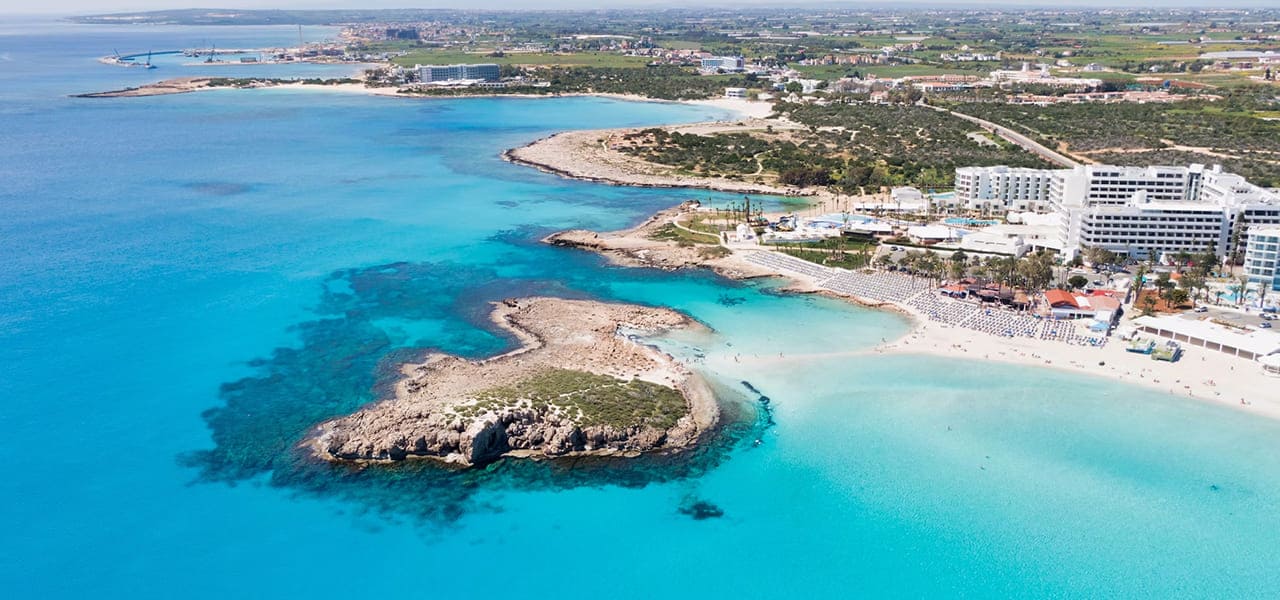
Georgia legalized digital asset payments in 2019 and introduced a “green corridor” in 2024 for foreign crypto real estate buyers.
Capital Gains Tax:
Purchase Taxes:
In July 2024, Türkiye formally recognized cryptocurrency as a crypto asset (not a payment method) through Amendment No. 7518 to the Capital Markets Act.
Income Tax:
Purchase Taxes:
No additional tax if asset held for more than 1 year.
Singapore permits crypto investments under the Payment Services Act (since 2020), though crypto is not considered legal tender.
Capital Gains Tax:
No personal income tax on crypto.
Purchase Taxes:
As of 2025, crypto transfers over SGD 20,000 are automatically scanned for links to dark web or sanctions lists.
Indonesia has emerged as a regional crypto leader. As of 2023, crypto is classified as a “digital financial asset,” with transactions regulated via BAPPEBTI.
Transaction Tax: 0.1%.
Capital Gains Tax: 10% if crypto held for less than 1 year.
Purchase Taxes:
In April 2025, Thailand adopted Royal Decree BE 2568, regulating digital assets and requiring platform licensing by the SEC.
Capital Gains Tax:
Purchase Taxes:
In Phuket (2025), stablecoins like USDT are accepted for everyday goods and services.

In the United States, cryptocurrency is classified as a commodity by the Commodity Futures Trading Commission (CFTC) and as property by the Internal Revenue Service (IRS). Real estate regulations vary from state to state.
Capital Gains Tax:
Purchase Taxes:
The UAE does not recognise cryptocurrency as legal tender but defines it as a regulated digital asset. In the country, real estate purchases are permitted through the conversion of cryptocurrency into fiat currency, in accordance with strict AML/KYC regulations. However, there is no official policy that grants a Golden Visa solely on the basis of digital asset ownership to crypto investors.
Vanuatu legalised cryptocurrency in 2018 and, in 2025, became the first country to issue digital passports via blockchain.

As of 2026, there are still nine countries where all cryptocurrency transactions are strictly prohibited:
In addition, 42 countries have introduced implicit restrictions, prohibiting banks and exchanges from working with crypto assets — including Nigeria, Lebanon, and Kazakhstan.

Research crypto-friendly countries like Portugal, Switzerland, Georgia, or Montenegro — where notaries can register property without converting crypto to fiat.
Match this with your visa and tax preferences: Some countries offer a residency permit or passport for crypto-funded real estate purchases, but require prior conversion to euros or dollars.
Use platforms like Tekce, Aifory Pro, or crypto agencies with an “Accepts Crypto” filter.
In your preliminary agreement, clearly define:
Direct payment:
Conversion method:
Crypto real estate is no longer an experiment but a tangible trend of 2026: studios in Lisbon are being sold for USDT, homes in Texas can be purchased with Bitcoin, and Swiss cantons register ownership rights directly via TXID. However, there are important nuances and potential pitfalls to consider — sudden exchange rate volatility, AML requests, and differing conversion regulations. For these reasons, it is advisable to work with experienced legal professionals who specialise in cryptocurrency transactions. They will help you select the right jurisdiction without hidden fees, prepare a comprehensive AML file, fix an exchange rate “anchor” in the contract, and protect you from unexpected tax implications.
Astons is a trusted partner in the field of investment migration. We assist clients in obtaining residency and citizenship by investment worldwide. Submit a request for a free consultation — our experts will develop a personalised strategy and recommend the optimal solution based on your goals and budget.

 Learn more
Request a Free Consultation
Our experts will create an individual plan for you and select the optimal solution based on your needs and budget.
Send a RequestYes, if the object is located in a “crypto-friendly” jurisdiction where cryptocurrency is officially legalised, for example, in Portugal, Montenegro, Georgia.

Alexander Kosovskiy
Senior Citizenship & Residency Advisor
Portugal, Switzerland (some cantons), Montenegro, Georgia, Dubai (via escrow company), Türkiye (by agreement of the parties), Cyprus and Germany require conversion to €.
Alexander Kosovskiy
Senior Citizenship & Residency Advisor
Alexander Kosovskiy
Senior Citizenship & Residency Advisor
Use licensed platforms: Coinbase (USA), Coinhako (Singapore), Bitkub (Thailand), Paribu (Türkiye) or local escrow exchanges.
Alexander Kosovskiy
Senior Citizenship & Residency Advisor
Alexander Kosovskiy
Senior Citizenship & Residency Advisor
Author

Susanna Uzakova
Senior Citizenship & Residency Advisor
Suzanna Uzakova is an international specialist and a leading expert at the company in the field of investment immigration.
Learn more about the authorShare


Related Articles
schedule a Meeting
Let’s Discuss the Details
Our expert will create a tailored solution based on your needs within 24 hours.

Susanna Uzakova
Senior Citizenship & Residency Advisor
 Your Data is Protected
Your information is handled under strict privacy policies.