In 2026, the countries offering the highest quality of life are predominantly small, well-governed European nations, complemented by a few non-European standouts. According to Numbeo’s 2025 Quality of Life Index (mid-year data), the top-ranked countries include Luxembourg, the Netherlands, Denmark, Oman, Switzerland, Finland, Norway, Iceland, Austria, and Germany.
These countries are consistently rated highly for their safety, healthcare quality, purchasing power, environmental standards, and social infrastructure. They excel in governance, public systems, and overall living standards, making them top choices for expats, professionals, retirees, and families.
This article explores how quality of life is measured in 2026, why these countries lead global rankings, and the key metrics and practical considerations to guide relocation or lifestyle decisions.
Note: Astons does not provide immigration services for the countries mentioned. This content is for informational purposes only..
Quick List: Top 10 Countries for Quality of Life in 2026
- Luxembourg: Highest purchasing power, exceptional public services
- Netherlands: Excellent healthcare, safety, and work-life balance
- Denmark: Strong welfare system and social equality
- Oman: Very safe, low cost of living, and expat-friendly taxation
- Switzerland: Political stability, world-class healthcare, high salaries
- Finland: Clean environment, top global education system, social trust
- Norway: Generous welfare, high income equality, natural access
- Iceland: Ultra-safe, renewable energy, outdoor lifestyle
- Austria: Robust healthcare, rich culture, high livability
- Germany: Economic strength, solid infrastructure, accessible public services
These nations offer an outstanding combination of safety, social systems, income levels, and environmental quality – key drivers of perceived quality of life globally.
Key Metrics Defining Quality of Life in 2026
Quality of life is multidimensional, covering economic, social, environmental, and lifestyle factors. Specialists often use composite indices to provide a holistic assessment.
Core Quality-of-Life Indicators
| Metric |
What It Measures |
| Quality of Life Index |
Overall livability (composite score) |
| Purchasing Power |
Income vs. cost of living |
| Safety Index |
Crime rates and security |
| Healthcare Index |
Access and quality of medical services |
| Pollution Index |
Air and environmental health |
| Traffic Commute Time |
Daily travel burden |
| Climate Index |
Comfort of weather and environmental conditions |
These indicators together paint a comprehensive picture of living conditions, not just economic performance.
Purchasing Power and Economic Stability
High purchasing power allows residents to cover housing, food, healthcare, and leisure comfortably. Luxembourg, Switzerland, and Denmark rank highly due to strong economies and wages that offset higher costs of living.
Safety, Healthcare, and Environmental Quality
Iceland, Norway, and Finland rank high not only for wealth but for secure, clean, and healthy living conditions. The Global Peace Index confirms Iceland’s status as one of the safest nations worldwide, highlighting the critical link between safety and quality of life.
Work-Life Balance and Commute Efficiency
Efficient transport networks, flexible work cultures, and short commute times enhance life satisfaction. Countries like Denmark and the Netherlands excel at balancing work and leisure while promoting sustainable urban mobility.
Top 10 Countries for Quality of Life in 2026 – Ranked and Analysed
Below is an evidence-based ranking of the world’s best countries for quality of life, using Numbeo’s 2025 mid-year data as a proxy for 2026.
1. Luxembourg | Quality of Life Index: 218.2
Luxembourg tops global rankings with high purchasing power, excellent public services, and strong institutional stability. Average gross salaries exceed €6,000 per month, offsetting high living costs. Universal healthcare, low crime, and free public transport enhance daily life. Multilingualism (French, German, Luxembourgish, English) aids expat integration.
Pros: Exceptional social services, top purchasing power, multilingual society.
Cons: High property prices, limited housing supply.
Visa/Relocation: EU Blue Card, employer sponsorship, intra-company transfers, private residency schemes.
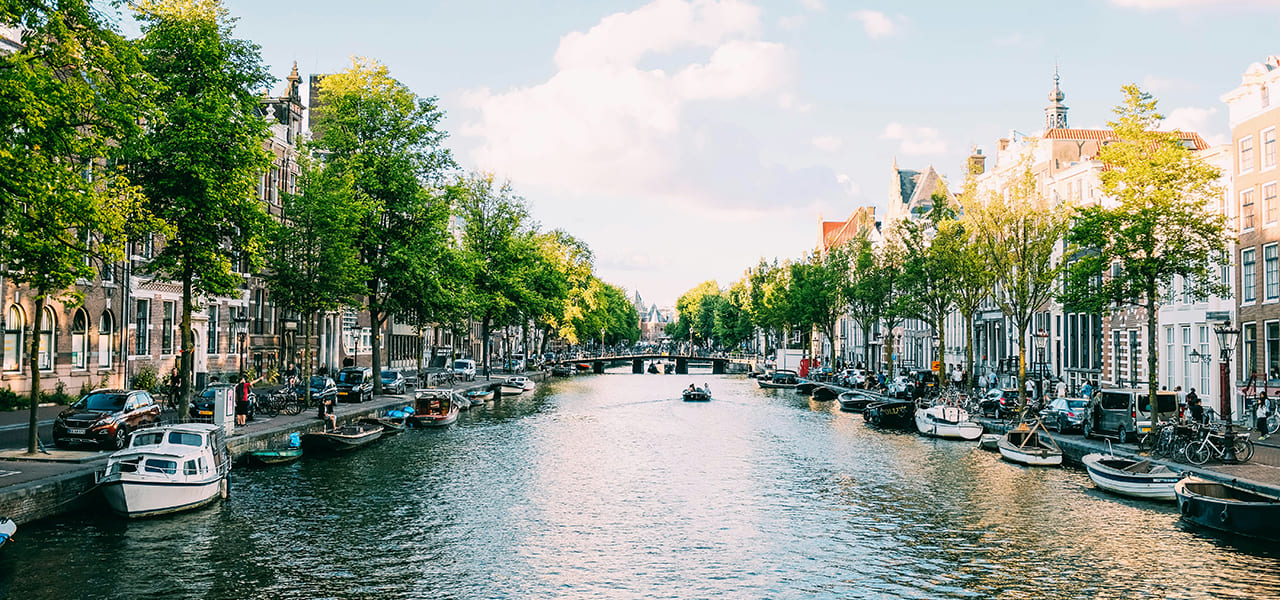
2. Netherlands | Index: 216.5
The Netherlands combines high safety, efficient healthcare, and excellent work-life balance. Cities like The Hague and Utrecht excel in urban livability. Average gross salaries: $4,950–$5,500 per month. Universal healthcare, short commutes, and extensive cycling infrastructure enhance life quality.
Pros: Expansive social infrastructure, strong healthcare, bike-friendly cities.
Cons: Competitive housing market in major cities.
Visa/Relocation: Highly Skilled Migrant permit, startup visas, EU Blue Card.
Note: Netherlands’ residency by investment program was closed in 2024.
3. Denmark | Index: 215.1
Denmark offers social equality, universal healthcare, free education, and excellent work-life balance. Copenhagen, Aarhus, and Odense feature modern urban planning with green spaces. Salaries: $5,000–$5,500 per month; minimum $2,500. Flexible work arrangements and short commutes boost daily life quality.
Pros: Comprehensive welfare, egalitarian society, sustainable cities.
Cons: Higher taxes, competitive housing.
Visa/Relocation: Positive List work permits, EU Blue Card, startup visas.
4. Oman | Index: 215.1
Oman ranks high for safety, moderate living costs, and expat-friendly taxation. Salaries for skilled expats: $2,800–$4,000/month. Urban centers provide modern infrastructure, reliable utilities, and growing leisure and cultural amenities.
Pros: Very high safety, moderate cost of living, growing purchasing power.
Cons: Hot climate, smaller expat community.
Visa/Relocation: Investor residency, employment/residency visas.
5. Switzerland | Index: 210.9
Switzerland combines political stability, top-tier healthcare, and high income. Cities like Zurich and Geneva provide excellent public infrastructure and outdoor access. Gross salaries: $5,000–$6,000/month; minimum $2,700–$3,000.
Pros: Low crime, scenic environment, robust healthcare.
Cons: Very high living costs, competitive housing.
Visa/Relocation: Permit B, EU/EFTA mobility, work visas.
6. Finland | Index: 208.3
Finland offers clean environments, world-class education, and strong social services. Cities like Helsinki and Tampere provide green spaces, cycling infrastructure, and short commutes. Salaries: $4,500–$5,500/month; entry $2,800–$3,200.
Pros: Exceptional education, social equity, strong civic trust.
Cons: Long winters, higher urban costs.
Visa/Relocation: Specialist work permits, startup visas, EU Blue Card.
7. Norway | Index: 199.2
Norway combines universal healthcare, high income equality, and access to nature. Cities: Oslo, Bergen, Trondheim. Salaries: $5,000–$6,000/month; minimum $3,000–$3,500.
Pros: Safe, excellent public services, strong work-life balance.
Cons: High costs, long winters.
Visa/Relocation: Skilled worker permits, professional work visas.
8. Iceland | Index: 198.0
Iceland offers safety, strong social cohesion, and easy access to nature. Salaries: $4,500–$5,500/month; minimum $2,800–$3,200. Healthcare and education are universal and highly rated.
Pros: Very low crime, clean environment, high living standards.
Cons: Geographic isolation, limited job sectors.
Visa/Relocation: Remote worker visas, skilled worker residence permits.
9. Austria | Index: ~197.7
Austria blends strong social systems, cultural richness, and high-quality public services. Cities: Vienna, Graz, Salzburg. Salaries: $4,500–$5,500/month; minimum $2,800–$3,200.
Pros: Strong healthcare, rich culture, high safety.
Cons: Bureaucratic processes, high housing costs.
Visa/Relocation: Red-White-Red Card, EU Blue Card, startup visas.
10. Germany | Index: ~195.2
Germany offers robust infrastructure, strong labor protections, and diverse employment. Cities: Berlin, Munich, Hamburg. Salaries: $4,500–$5,500/month; minimum $2,800–$3,200.
Pros: Free education, solid healthcare, strong job market
Cons: Regional cost disparities, competitive housing
Visa/Relocation: EU Blue Card, skilled worker visas, startup visas
2026 Trends and Projections to Watch
As we move fully into 2026, several trends are shaping global quality of life rankings and expat preferences:
- Middle East Gains: Oman, UAE, and Qatar rise in rankings due to safety, purchasing power, and infrastructure for expats.
- Environmental Resilience: Nordic nations maintain top rankings with climate adaptation and sustainable urban planning.
- Migration Patterns: Remote workers and lifestyle migrants prioritise safety, healthcare, and green spaces.
- Urban vs. Regional Trade-offs: High urban costs drive relocation toward secondary cities or smaller regions.
- Health and Resilience Focus: Robust healthcare and preventive systems increasingly influence global rankings.
- Tip: Quality-of-life indices are updated annually; check the latest data before making relocation decisions.
Practical tip: quality-of-life indices are updated annually, so check the latest versions before making relocation decisions.
Conclusion: Choosing Your Best Country to Live in 2026
High quality of life balances income, healthcare, safety, environment, social cohesion, and work-life balance. Professionals may prioritize strong labor markets and salaries (Switzerland, Germany, Netherlands), while families value education, safety, and public services (Finland, Denmark, Norway).
Oman and Iceland offer safe, nature-rich environments with moderate costs, appealing to lifestyle-focused expats. Housing affordability, commute times, and cultural integration remain important considerations.
Choosing the best country depends on your personal priorities: financial opportunity, family, climate, lifestyle, or social stability. These rankings provide a clear, evidence-based guide for thriving, not just surviving, in 2026.