

































 +44 207 043 6026
  +357 252 30233
  +971 454 01311
  +902 129 008 710
  +302 112 340 656
  +1 (888) 2033901


Best Places to Buy Property in Greece for Golden Visa Applicants
-
 15-MINUTE READ
 -
1,541 views
-
Share
 15-MINUTE READ
 1,541 views
 Share
Share
Nasos Fousias
Head of Property Department in Greece
- Last edited: September 28, 2026
The best places to buy property in Greece for Golden Visa applicants include Athens, the Athens Riviera and other parts of Attica. The region offers a wide range of residential opportunities, from premium homes to qualifying projects available from €250,000, while standard purchases in Attica are subject to the €800,000 threshold.
This guide looks at the main areas to consider, how the Golden Visa property thresholds apply across Attica, and what buyers should assess when comparing locations, property types and long-term investment potential.
The minimum real estate investment for the Greece Golden Visa depends on the location and type of property. In 2026, the applicable thresholds are €250,000, €400,000 and €800,000, with different rules for standard purchases and special property categories.
| Minimum investment | Where / when it applies | Main conditions |
|---|---|---|
| €250,000 | Qualifying commercial-to-residential conversions and listed buildings acquired for restoration anywhere in Greece | No minimum property size |
| €400,000 | Standard residential property in regions outside the higher-threshold zones | One property of at least 120 m² |
| €800,000 | Attica, Thessaloniki, Mykonos, Santorini, Crete, Rhodes and islands with a population above 3,100 | One property of at least 120 m² |

For Golden Visa buyers, Athens and the wider Attica region offer one of the broadest combinations of property types in Greece. As mentioned above, standard residential purchases in Attica require at least €800,000 and generally one property of 120 m² or more. At the same time, qualifying commercial-to-residential conversions and listed buildings can enter the program from €250,000, regardless of location.
Athens is particularly relevant to the lower threshold because it has a large stock of older offices, commercial premises and mixed-use buildings that can be repositioned as housing. This gives investors access to a wider range of redevelopment projects than in markets dominated by conventional holiday homes or new-build villas. The city also remains an active residential market: according to the Bank of Greece, apartment prices in Athens increased by 5.0% year-on-year in Q2 2026, following 5.2% growth in Q1. [1]
The investment profile changes considerably across Attica, however. Central Athens and Piraeus are more relevant for urban apartments and conversion projects, the northern suburbs attract family and corporate demand, while the Athens Riviera is increasingly dominated by larger and higher-value residential developments.
Central Athens is one of the first places to examine for qualifying €250,000 conversion projects. Former offices, shops and other commercial premises are common in the urban housing stock, particularly in districts that have seen extensive renovation and change of use over the past decade.
Pangrati combines a large established residential population with relatively easy access to Syntagma and central employment areas. It has a broader mix of older apartment blocks, renovated units and smaller developments than premium districts such as Kolonaki, making it relevant to buyers comparing conventional apartments with redevelopment projects.
Koukaki has strong metro access and sits immediately south of the Acropolis. Its international profile increased sharply during the previous tourism-driven cycle, but for a Golden Visa purchase the more relevant question today is whether the property works for long-term residential use and whether any €250,000 project genuinely meets the conversion rules.
Kolonaki is a different market altogether. Larger apartments, limited new supply and a central premium location mean it is more naturally aligned with higher-budget purchases than with entry-level Golden Visa property. Mets is similarly constrained by its smaller housing stock, although it offers a quieter residential setting close to the National Garden and central Athens.

Piraeus deserves separate attention because it combines a large permanent residential population with commercial property stock and improving transport connectivity. Metro Line 3 now reaches Dimotiko Theatro in central Piraeus and connects through the Athens network towards the airport, making the area substantially more accessible than it was before the extension.
For Golden Visa buyers, this matters because Piraeus contains both conventional apartments and buildings that may be suitable for commercial-to-residential conversion. Areas near metro stations generally make more sense for long-term leasing than locations chosen simply for proximity to the cruise and ferry terminals.
The market is also highly localised. Passalimani, Kastella and Mikrolimano have a different pricing and residential profile from streets closer to the commercial port, so “Piraeus” should not be treated as one homogeneous investment area.
The Athens Riviera is primarily a higher-budget residential market. Glyfada, Voula and Vouliagmeni contain a significant share of southern Athens’ new-build and premium housing.
Glyfada is the most mixed of the three. It functions as a major commercial centre as well as a residential district, with restaurants, retail, schools and everyday services supporting permanent rather than purely seasonal occupancy. Voula is more residential and tends to attract buyers looking for larger apartments and family homes, while Vouliagmeni has more restricted supply and sits at the top end of the coastal market.
The biggest structural change on the Riviera is Ellinikon. The redevelopment covers 6.2 million m² and includes residential districts, offices, hotels, retail, education, healthcare and a planned 2 million m² park. Current residential components include Riviera Tower, Cove Residences, Cove Villas and Little Athens.
That scale matters beyond the development itself. New housing, commercial space and public infrastructure around Ellinikon can affect demand in neighbouring Glyfada, Alimos and the wider southern corridor, although buyers should distinguish between confirmed infrastructure and assumptions about future price growth.
Alimos and Palaio Faliro offer a different Riviera proposition from Vouliagmeni. They are closer to central Athens, have established permanent populations and are integrated into the city’s everyday transport and employment patterns.
Alimos is particularly relevant for buyers who want access to the southern coast without paying the same premium as in Vouliagmeni. Its marina, tram connections and proximity to Ellinikon give it a practical residential profile as well as exposure to the wider redevelopment of southern Athens.
Palaio Faliro is even closer to the centre and has a mature apartment market rather than a predominantly luxury-new-build one. For a long-term investment, individual street quality, building age, parking and proximity to the waterfront can make a considerable difference to value.
Kifisia and Maroussi serve a very different buyer base. They are less relevant to tourism and more dependent on families, executives and professionals working in northern Athens.
Kifisia has traditionally been one of the capital’s higher-end suburban markets, with larger apartments, maisonettes and detached homes. Its appeal is closely linked to space, greener surroundings and access to private and international education rather than proximity to the historic centre.
Maroussi is more employment-led. It contains one of Athens’ largest clusters of corporate offices, shopping centres and private healthcare facilities, which can support long-term demand from professionals who want to live close to work.
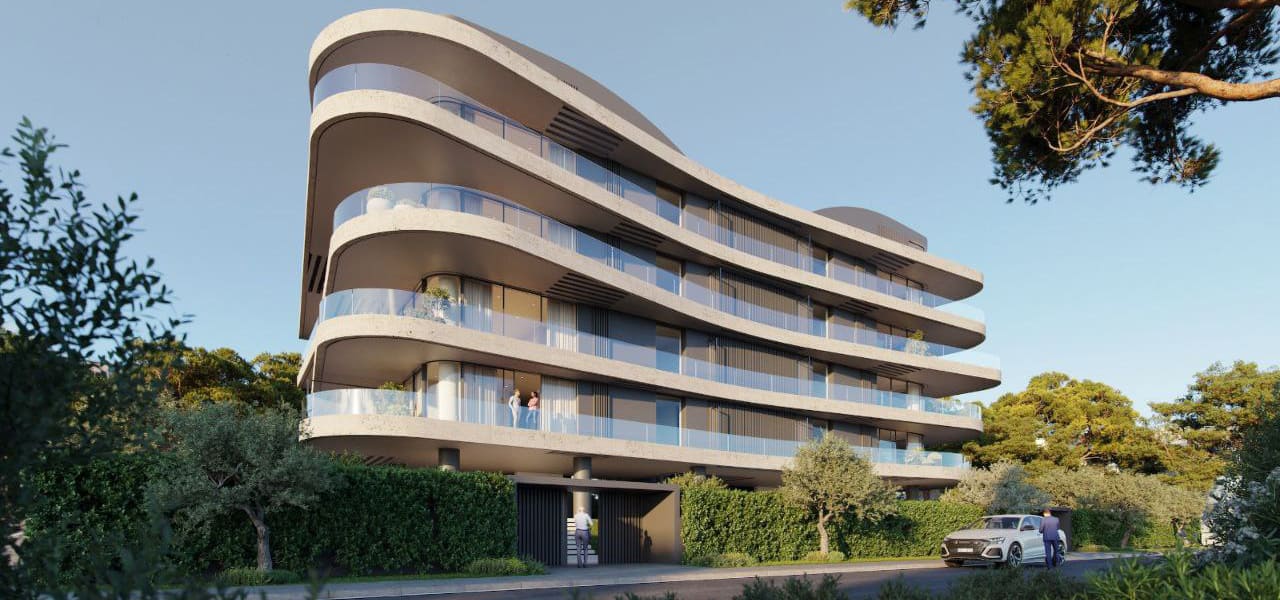
Before purchasing property for the Greece Golden Visa, buyers should assess both the real estate itself and whether it satisfies the residence permit rules. A property can be attractive from an investment perspective but still be unsuitable for the intended Golden Visa route.
Key points to check include:
In addition to the investment itself, buyers should budget for taxes, registration, legal formalities and residence-permit expenses. The exact total varies by property value and family composition, but the main costs are:
| Fee / tax | Cost |
|---|---|
| Property transfer tax | 3.09% of the property price |
| Land Registry registration fee | 0.6% of the property price |
| Notary fee for property transfer | About 1.5% of the property price + VAT |
| Private health insurance | From €150 per person |
| Document translations | From €150 |
| Immigration fees | €2,000 for the main investor; €150 for each family member over 18 |
| Residence permit card issuance | €16 per person |
Buyers should also factor in legal and technical due diligence, property management or agency fees where applicable, and the annual ENFIA property tax after acquisition.
The Greek government has announced plans to raise the transfer tax on residential property purchased by individuals from non-EU countries from the current 3% rate to 15%. Until the relevant legislation is finalised and enters into force, the existing tax regime continues to apply, so investors planning a later purchase should check the final rate, exemptions and transitional provisions.
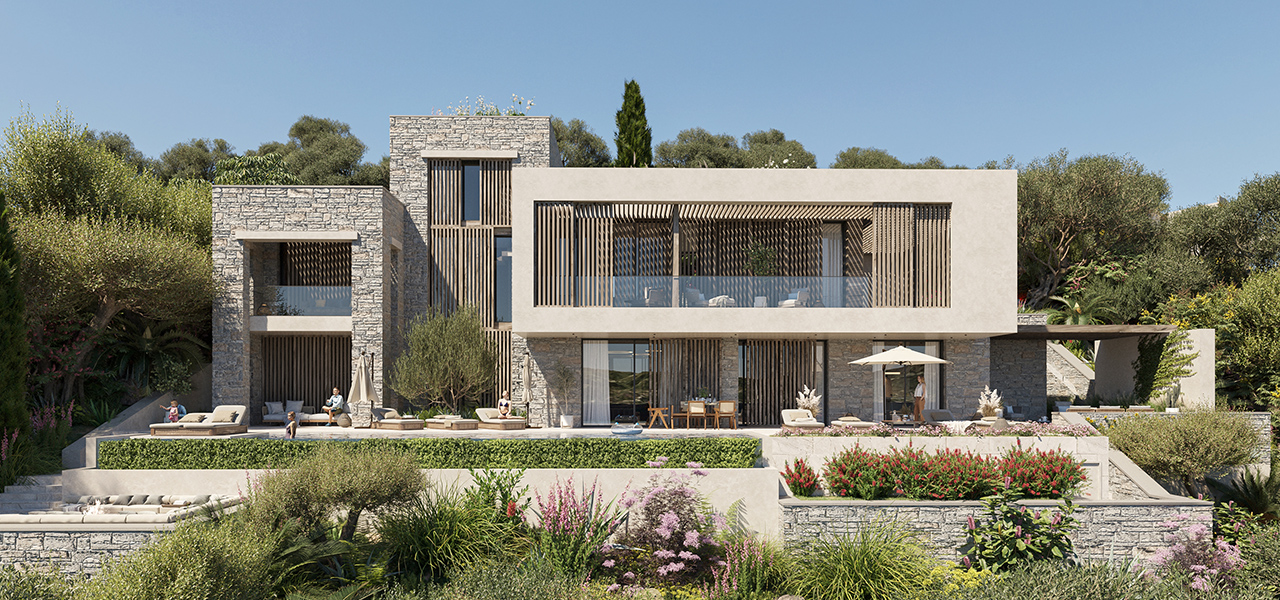
Golden Visa property should be evaluated primarily as a long-term residential asset. In Athens and Attica, gross rental yields average around 4%, although actual returns vary by location, property type, condition and purchase price. This makes the local tenant base more important than tourist footfall, particularly in a market where demand differs considerably between central districts, business areas and coastal suburbs.
In central Athens and Piraeus, proximity to metro stations, universities and employment centres can support demand from professionals, students and international residents. Northern districts such as Kifisia and Maroussi have a stronger family and corporate profile, while Glyfada, Voula and other parts of the Riviera appeal to higher-income tenants seeking larger or newer properties.
Property characteristics matter as much as neighbourhood reputation. Parking, energy efficiency, lift access, outdoor space, building condition and walking distance to transport can create significant differences in long-term rental demand between otherwise similar apartments. Investors should therefore treat the 4% figure as a market benchmark rather than a guaranteed return.
Astons supports Golden Visa buyers through the full property acquisition process in Greece, from selecting an eligible asset to completing the purchase and filing the residence application. Clients can review properties remotely through live video viewings, compare completed and off-plan projects, and authorise local representatives through a Power of Attorney where appropriate.
Our Greece team coordinates legal due diligence, contract preparation, ownership registration, banking and administrative steps, while qualified local lawyers handle the legal checks required before completion. For Golden Visa applicants, most stages can be completed without travelling to Greece, with personal presence typically required only for biometrics.
Astons was recognised at the European Property Awards 2024–2025 as Best Real Estate Agency in Greece, and our Greek portfolio includes more than 100 properties, including premium residences, historic buildings and projects that meet current Golden Visa requirements.
Our specialists can help identify a property that fits both your investment goals and the applicable €250,000, €400,000 or €800,000 Golden Visa route, while coordinating the transaction from initial selection through to residence permit issuance.

 Learn more
Request a Free Consultation
Book a free consultation today and let our specialists help you choose the best country for your family
Send a RequestThe minimum real estate investment is €250,000 for qualifying commercial-to-residential conversions and listed buildings acquired for restoration. Standard purchases start from €400,000 in most regions and €800,000 in Attica, Thessaloniki, Mykonos, Santorini, Crete, Rhodes and islands with populations above 3,100.
Standard €400,000 and €800,000 investments generally require one property of at least 120 m², while the €250,000 special categories are not subject to this minimum size rule.
Nasos Fousias
Head of Property Department in Greece
Yes. Foreign nationals can purchase property in Greece and non-EU nationals may use qualifying real estate to apply for a Golden Visa, subject to the program and property rules.
Before completing the purchase, buyers need a Greek tax identification number and must pay the applicable property transfer tax.
Nasos Fousias
Head of Property Department in Greece
The answer depends on the property route and intended use. Central Athens and Piraeus offer more opportunities for qualifying redevelopment and conversion projects, while Kolonaki, Kifisia and the Athens Riviera are more closely associated with larger, higher-value residential purchases.
For long-term rental demand, transport access, nearby employment, schools and everyday infrastructure should be considered alongside the neighbourhood itself.
Nasos Fousias
Head of Property Department in Greece
Yes. Qualifying commercial-to-residential conversions and listed buildings can still enter the program from €250,000 in Athens and elsewhere in Greece.
The lower threshold applies to specific property categories rather than to all homes priced at €250,000. Buyers should therefore confirm the legal use, conversion history and supporting documentation before committing to a purchase.
Nasos Fousias
Head of Property Department in Greece
Processing time takes from 6 months.
Nasos Fousias
Head of Property Department in Greece
Yes. In addition to the purchase price, buyers should budget for property transfer tax, notary and registration charges, legal and technical due diligence, and any applicable agency fees.
The standard transfer tax is 3% of the taxable value, plus a municipal levy equal to 3% of the tax itself. Property owners are also subject to annual ENFIA after acquisition.
Nasos Fousias
Head of Property Department in Greece
The permit is valid for five years and can be renewed while the qualifying investment is maintained. It does not require the investor to reside permanently in Greece, which allows buyers to retain residence rights while living primarily elsewhere.
Golden Visa holders can also travel within the Schengen Area under the applicable 90-days-in-any-180-days rules outside Greece, and eligible family members, such as a spouse, children, and parents can be included in the residence structure.
Nasos Fousias
Head of Property Department in Greece
Golden Visa property can generally be used for conventional long-term leasing, subject to the applicable property and tenancy rules.
Short-term rental use is not permitted for real estate acquired under the current Golden Visa rules, so investors should assess the property primarily through its long-term residential demand rather than tourist-rental potential.
Nasos Fousias
Head of Property Department in Greece
Author

Nasos Fousias
Head of Property Department in Greece
Nasos Fousias brings over 15 years of senior leadership experience in Greek residential real estate development.
Learn more about the authorShare


Related Articles
schedule a Meeting
Let’s Discuss the Details
Our expert will create a tailored solution based on your needs within 24 hours.

Susanna Uzakova
Senior Citizenship & Residency Advisor
 Your Data is Protected
Your information is handled under strict privacy policies.