As global living standards continue to evolve, the latest 2026 Numbeo’s data highlights subtle but important shifts in quality-of-life rankings. Compared to mid-2025, the ranking shows a clear reshuffle among the leaders: Netherlands has moved into first place, overtaking Luxembourg, which dropped to third, while Denmark strengthened its position in second place.
At the same time, Norway declined to the bottom of the top 10, whereas Austria and Germany saw slight improvements, reflecting a reshuffling within the ranking while the overall group of leading countries remains unchanged.
These countries rank highly for safety, healthcare, purchasing power, and overall living standards, making them top choices for expats and families; this article explores how quality of life is measured in 2026 and the key factors to consider when choosing where to live.
Note: Astons does not provide immigration services for the countries mentioned. This content is for informational purposes only.
Key Changes in 2026
Why the Netherlands Tops the List
If you’re searching for the best country to live in the world right now, the data consistently points to one leader in 2026: The Netherlands. While the competition among the top five remains tight, the Dutch reclaim and hold the crown this spring for several concrete reasons updated in our August 2026 analysis.
Why is the Netherlands the best country to live in 2026?
The ranking isn’t just about high salaries; it’s about daily life efficiency. As we review the latest data for best country to live in 2026 rankings, the Netherlands outperforms even wealthier neighbors due to three critical factors that became even more pronounced in Q2 2026:
- Unmatched Work-Life & Commute Balance: With a Quality of Life Index score of 213.6, the Netherlands boasts the lowest average commute times and highest rates of cycling infrastructure among the top 10. According to the Netherlands Foreign Investment Agency, this is driven by a stellar Safety Index (74.5) and Healthcare Index (81.5). In 2026, this translates to more personal time—a luxury that high-income but congested nations like Switzerland or Luxembourg cannot easily buy.
- A Surging Reputation for Safety: One of the most dramatic shifts in 2026 is the Netherlands’ rise in global safety rankings. Berkshire Hathaway Travel Protection named the Netherlands the #1 safest country for travelers in 2026—a meteoric jump from 14th place in 2025. This external validation from a non-biased financial institution reinforces why the country is attracting record numbers of expats and remote workers.
- The “English-Friendly” Advantage: For expats and remote workers seeking the best country to live in the world, the seamless integration of English into professional and daily life in Amsterdam, Utrecht, and The Hague removes the initial friction of relocation. The Netherlands consistently ranks #1 globally in the EF English Proficiency Index for non-native speakers, making it uniquely accessible among top-tier European economies.
A Note on the Ranking Shuffle:
The Netherlands overtook Luxembourg (now #3) largely due to a stronger Safety Index and a better Climate Index rating recorded in early 2026. While Denmark (#2) remains a powerhouse for social equality, the Netherlands edges ahead by offering a more vibrant urban culture alongside its world-class social services.
Note: Different quality-of-life methodologies yield slightly different results. For example, the CS Global Partners Good Life Index ranks Norway and Germany higher based on HDI and environmental metrics. However, the Netherlands remains the only country to consistently place in the top 10 across all major indices in 2026—a testament to its balanced, holistic appeal.
Explore the full breakdown of the 2026 rankings in the table below to see how the rest of the world compares to the Dutch standard of living.
Quick List: Top 10 Countries for Quality of Life in 2026
| Country |
Quality of Life Index |
Avg. Net Monthly Salary |
Cost of Living (2-person household, monthly) |
Main Residency Pathway |
Investment Program Status / Key Notes |
| Netherlands |
213.6 |
€4,200–4,800 |
€3,000–3,800 |
Highly Skilled Migrant permit, EU Blue Card |
Residency by investment program closed in 2024 |
| Denmark |
212.2 |
€4,200–4,800 |
€3,000–3,700 |
Positive List, EU Blue Card, start-up visa |
High taxation, competitive rental market |
| Luxembourg |
211.9 |
from €5,500 |
€3,500–4,500 |
EU Blue Card, employment, permanent residence after 5 years |
High property prices, housing shortage |
| Oman |
207.6 |
$2,800–4,000 |
$1,800–2,500 |
Investor residency, employment visa |
No income tax, but hot climate |
| Switzerland |
206.2 |
€4,500–5,500 |
€4,000–5,000 |
Permit B, EU/EFTA freedom of movement, work visa |
Very high cost of living |
| Finland |
204.4 |
€3,800–4,800 |
€2,800–3,500 |
Specialist permit, EU Blue Card |
Long winters, high taxes |
| Austria |
~199.8 |
€3,800–4,800 |
€3,000–4,000 |
Red-White-Red Card, EU Blue Card |
Competitive housing market in Vienna |
| Germany |
196.3 |
€3,800–4,800 |
€2,800–3,800 |
EU Blue Card, employment, start-up visa |
Regional cost differences, housing shortages in major cities |
| Iceland |
195.8 |
€3,800–4,800 |
€3,000–3,800 |
Remote worker visa, skilled worker permit |
Limited job market, geographic isolation |
| Norway |
195.4 |
€4,200–5,200 |
€3,500–4,500 |
Skilled worker permit |
High prices for goods and services |
These nations offer an outstanding combination of safety, social systems, income levels, and environmental quality – key drivers of perceived quality of life globally.

Key Metrics Defining Quality of Life in 2026
Quality of life is multidimensional, covering economic, social, environmental, and lifestyle factors. Specialists often use composite indices to provide a holistic assessment.
Core Quality-of-Life Indicators
| Metric |
What It Measures |
| Quality of Life Index |
Overall livability (composite score) |
| Purchasing Power |
Income vs. cost of living |
| Safety Index |
Crime rates and security |
| Healthcare Index |
Access and quality of medical services |
| Pollution Index |
Air and environmental health |
| Traffic Commute Time |
Daily travel burden |
| Climate Index |
Comfort of weather and environmental conditions |
These indicators together paint a comprehensive picture of living conditions, not just economic performance.
Purchasing Power and Economic Stability
High purchasing power allows residents to cover housing, food, healthcare, and leisure comfortably. The Netherlands, Denmark and Luxembourg rank highly due to strong economies and wages that offset higher costs of living.
Safety, Healthcare, and Environmental Quality
Iceland, Norway, and Finland rank high not only for wealth but for secure, clean, and healthy living conditions. The Global Peace Index confirms Iceland’s status as one of the safest nations worldwide, highlighting the critical link between safety and quality of life.
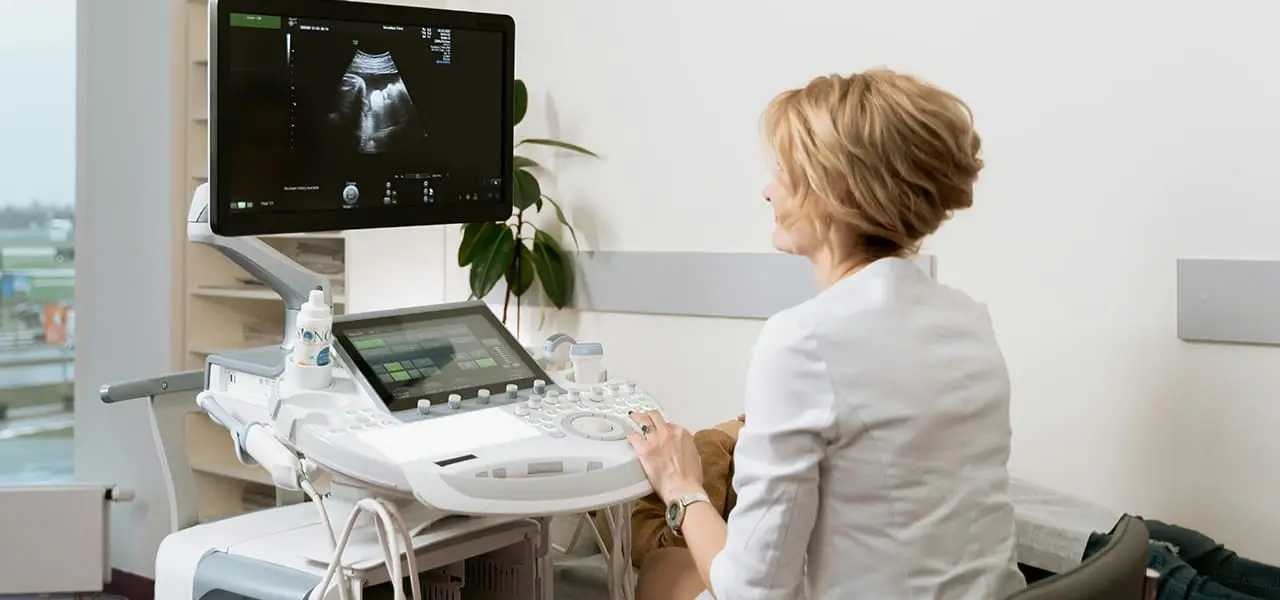
Work-Life Balance and Commute Efficiency
Efficient transport networks, flexible work cultures, and short commute times enhance life satisfaction. Countries like Denmark and the Netherlands excel at balancing work and leisure while promoting sustainable urban mobility.
Top 10 Countries for Quality of Life in 2026 – Ranked and Analysed
Below is an evidence-based ranking of the world’s best countries for quality of life, using Numbeo’s 2026 data.
1. Netherlands | Index: 213.6
The Netherlands combines high safety, efficient healthcare, and excellent work-life balance. Cities like The Hague and Utrecht excel in urban livability. Average gross salaries: $4,950–$5,500 per month. Universal healthcare, short commutes, and extensive cycling infrastructure enhance life quality.
- Pros: Expansive social infrastructure, strong healthcare, bike-friendly cities.
- Cons: Competitive housing market in major cities.
- Visa/Relocation: Highly Skilled Migrant permit, startup visas, EU Blue Card.
Note: Netherlands’ residency by investment program was closed in 2024.
2. Denmark | Index: 212.2
Denmark offers social equality, universal healthcare, free education, and excellent work-life balance. Copenhagen, Aarhus, and Odense feature modern urban planning with green spaces.
- Salaries: $5,000–$5,500 per month; minimum $2,500. Flexible work arrangements and short commutes boost daily life quality.
- Pros: Comprehensive welfare, egalitarian society, sustainable cities.
- Cons: Higher taxes, competitive housing.
- Visa/Relocation: Positive List work permits, EU Blue Card, startup visas.
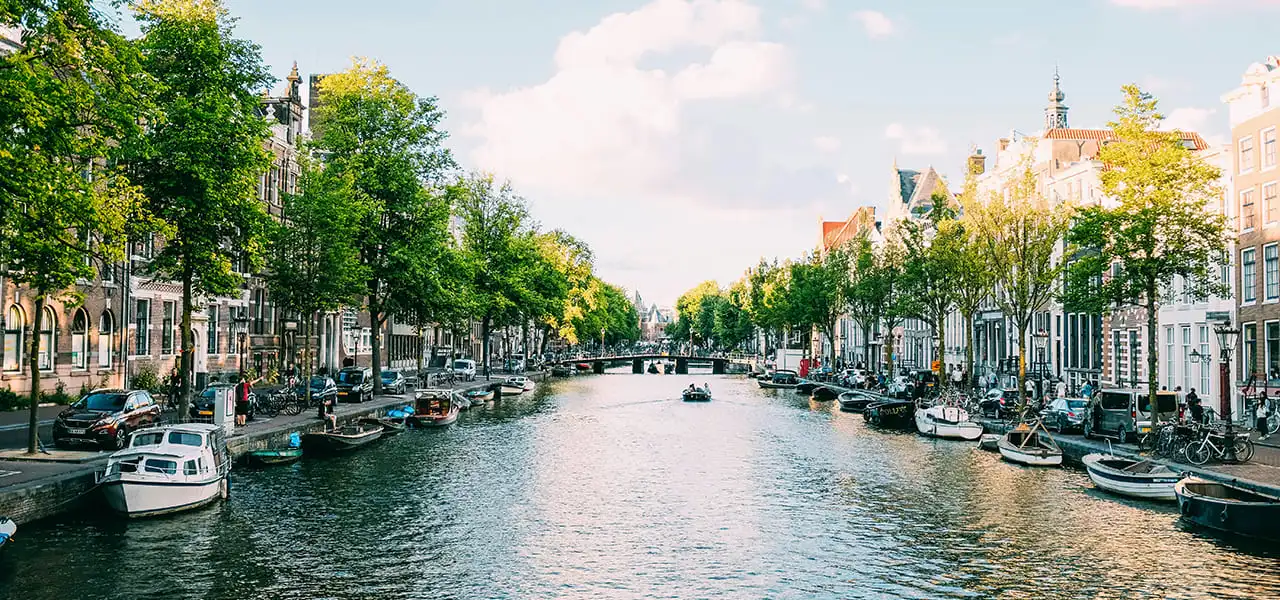
3. Luxembourg | Quality of Life Index: 211.9
Luxembourg tops global rankings with high purchasing power, excellent public services, and strong institutional stability. Average gross salaries exceed €6,000 per month, offsetting high living costs. Universal healthcare, low crime, and free public transport enhance daily life. Multilingualism (French, German, Luxembourgish, English) aids expat integration.
- Pros: Exceptional social services, top purchasing power, multilingual society.
- Cons: High property prices, limited housing supply.
- Visa/Relocation: EU Blue Card, employer sponsorship, intra-company transfers, private residency schemes.
4. Oman | Index: 207.6
Oman ranks high for safety, moderate living costs, and expat-friendly taxation. Salaries for skilled expats: $2,800–$4,000/month. Urban centers provide modern infrastructure, reliable utilities, and growing leisure and cultural amenities.
- Pros: Very high safety, moderate cost of living, growing purchasing power.
- Cons: Hot climate, smaller expat community.
- Visa/Relocation: Investor residency, employment/residency visas.

5. Switzerland | Index: 206.2
Switzerland combines political stability, top-tier healthcare, and high income. Cities like Zurich and Geneva provide excellent public infrastructure and outdoor access. Gross salaries: $5,000–$6,000/month; minimum $2,700–$3,000.
- Pros: Low crime, scenic environment, robust healthcare.
- Cons: Very high living costs, competitive housing.
- Visa/Relocation: Permit B, EU/EFTA mobility, work visas.
6. Finland | Index: 204.4
Finland offers clean environments, world-class education, and strong social services. Cities like Helsinki and Tampere provide green spaces, cycling iFinland offers clean environments, world-class education, and strong social services. Cities like Helsinki and Tampere provide green spaces, cycling infrastructure, and short commutes. Salaries: $4,500–$5,500/month; entry $2,800–$3,200.
- Pros: Exceptional education, social equity, strong civic trust.
- Cons: Long winters, higher urban costs.
- Visa/Relocation: Specialist work permits, startup visas, EU Blue Card.
7. Austria | Index: ~199.8
Austria blends strong social systems, cultural richness, and high-quality public services. Cities: Vienna, Graz, Salzburg. Salaries: $4,500–$5,500/month; minimum $2,800–$3,200.
- Pros: Strong healthcare, rich culture, high safety.
- Cons: Bureaucratic processes, high housing costs.
- Visa/Relocation: Red-White-Red Card, EU Blue Card, startup visas.
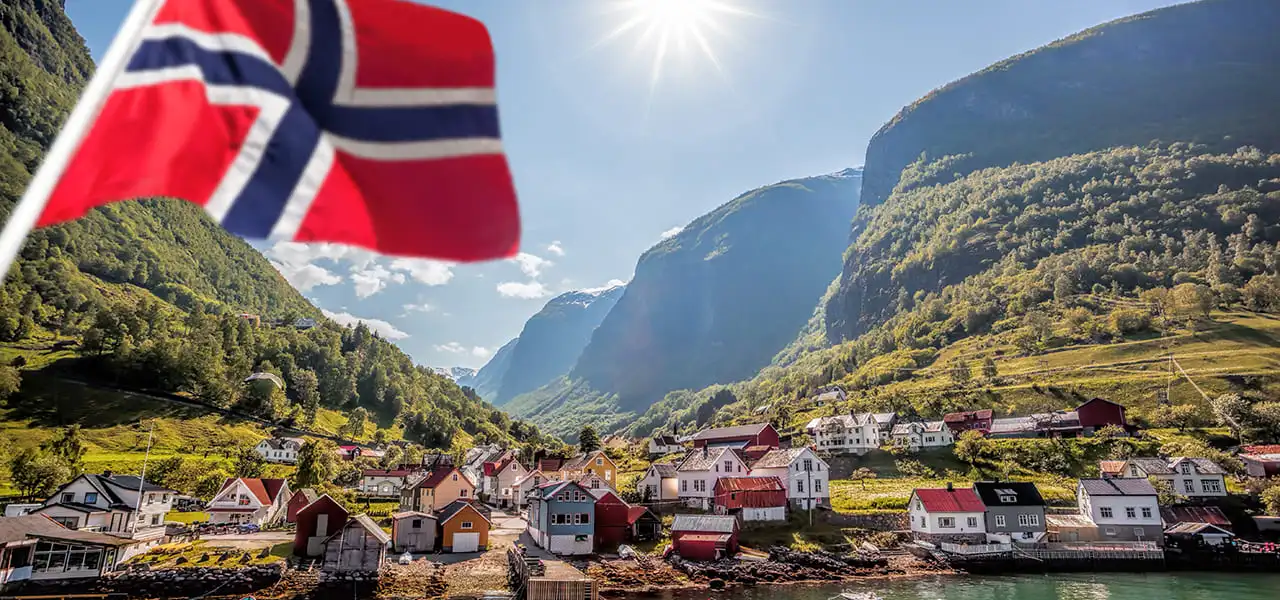
8. Germany | Index: 196.3
Germany offers robust infrastructure, strong labor protections, and diverse employment. Cities: Berlin, Munich, Hamburg. Salaries: $4,500–$5,500/month; minimum $2,800–$3,200.
- Pros: Free education, solid healthcare, strong job market
- Cons: Regional cost disparities, competitive housing
- Visa/Relocation: EU Blue Card, skilled worker visas, startup visas
9. Iceland | Index: 195.8
Iceland offers safety, strong social cohesion, and easy access to nature. Salaries: $4,500–$5,500/month; minimum $2,800–$3,200. Healthcare and education are universal and highly rated.
- Pros: Very low crime, clean environment, high living standards.
- Cons: Geographic isolation, limited job sectors.
- Visa/Relocation: Remote worker visas, skilled worker residence permits.
10. Norway | Index: 195.4
Norway combines universal healthcare, high income equality, and access to nature. Cities: Oslo, Bergen, Trondheim. Salaries: $5,000–$6,000/month; minimum $3,000–$3,500.
- Pros: Safe, excellent public services, strong work-life balance.
- Cons: High costs, long winters.
- Visa/Relocation: Skilled worker permits, professional work visas.
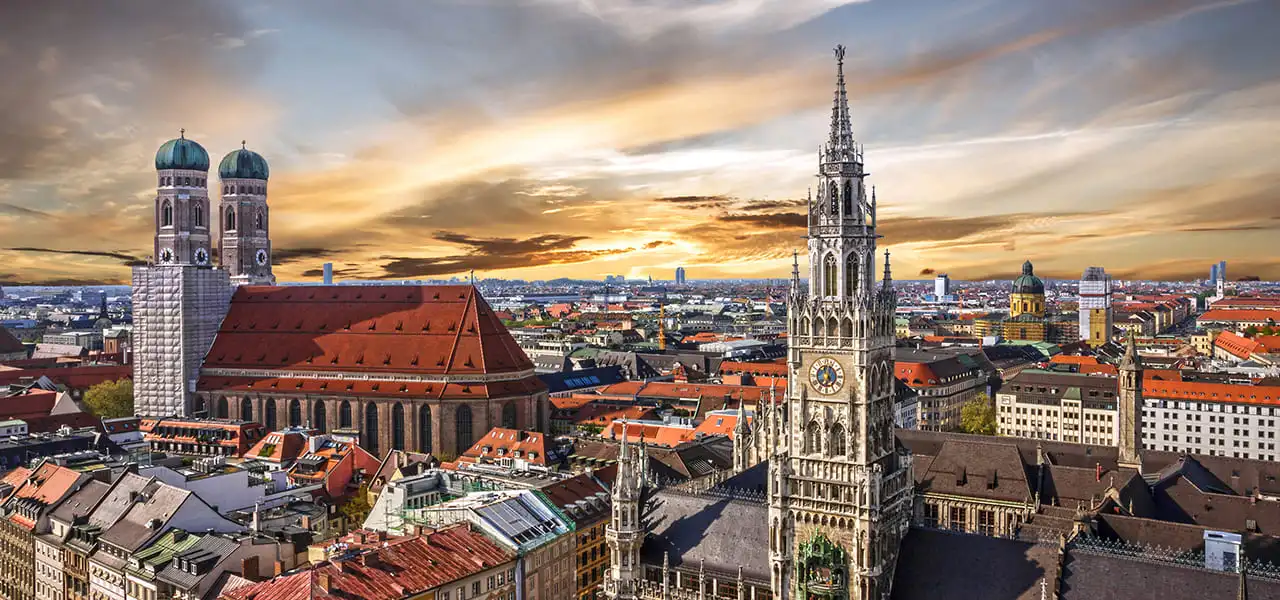
2026 Trends and Projections to Watch
As 2026 progresses, quality-of-life rankings are being shaped less by structural change and more by economic pressure, housing dynamics, and shifting migration priorities:
- Cost of Living Pressure: Rising housing costs and inflation in top European economies — particularly in the Netherlands, Germany, and Austria — are impacting affordability and slightly reshuffling rankings.
- Leadership Rebalancing in Europe: Countries like Denmark and Netherlands are strengthening positions due to consistent public services and work-life balance, while traditionally dominant markets face minor corrections.
- Middle East Positioning: Oman continues to stand out as a stable, cost-efficient alternative, benefiting from safety, tax advantages, and improving infrastructure for expats.
- Housing as a Key Constraint: Limited housing supply across high-ranking countries is becoming a primary factor influencing relocation decisions and long-term livability.
- Lifestyle-Driven Migration: Expats increasingly prioritise stability, healthcare, and overall quality of daily life over pure income, reinforcing the dominance of socially stable, well-governed countries.
Tip: Quality-of-life indices are updated annually; check the latest data before making relocation decisions.
Practical tip: quality-of-life indices are updated annually, so check the latest versions before making relocation decisions.
Conclusion: Choosing Your Best Country to Live in 2026
High quality of life balances income, healthcare, safety, environment, social cohesion, and work-life balance. Professionals may prioritise strong labor markets and salaries (Switzerland, Germany, Netherlands), while families value education, safety, and public services (Finland, Denmark, Norway).
Oman and Iceland offer safe, nature-rich environments with moderate costs, appealing to lifestyle-focused expats. Housing affordability, commute times, and cultural integration remain important considerations.
Choosing the best country depends on your personal priorities: financial opportunity, family, climate, lifestyle, or social stability. These rankings provide a clear, evidence-based guide for thriving, not just surviving, in 2026.
 Learn more
Request a Free Consultation
Astons specialists know everything about the residence permit and citizenship by investment programs currently operating around the world.
Send a Request
Узнать больше
Запросить бесплатную консультацию
Запишитесь на бесплатную консультацию, и наши специалисты помогут выбрать лучшую страну для вашей семьи.
Отправить запрос

































 +44 207 043 6026
  +357 252 30233
  +971 454 01311
  +902 129 008 710
  +302 112 340 656
  +1 (888) 2033901


 8-MINUTE READ
  6,399 views
  Share
Share 












 Your Data is Protected