


























 +44 207 043 6026
  +357 252 30233
  +971 454 01311
  +902 129 008 710
  +302 112 340 656
  +1 (888) 2033901


Safest Countries in Europe 2026
-
 13-MINUTE READ
 -
2,615 views
-
Share
 13-MINUTE READ
 2,615 views
 Share
Share
Alina Medvedskaya
Real Estate Expert in Europe
- Last edited: April 29, 2026
The safest countries in Europe in 2026 are Iceland, Ireland, Austria, Switzerland, Denmark, Portugal, Slovenia, the Netherlands, Estonia, and Finland — consistently ranking highest due to low violent crime, strong institutions, and stable political environments.
Across these countries, homicide rates are typically below 1 per 100,000, corruption levels are low, and public trust in law enforcement and government remains high.
To understand what makes them stand out, it is not enough to look at rankings alone. This guide breaks down the data, indicators, and structural factors behind their safety, combining global indexes with real-world insights to show how safety is actually maintained in practice.
The Global Peace Index (GPI) is the primary benchmark used to assess the safest countries in Europe. Developed by the Institute for Economics & Peace, it evaluates 163 countries using 23 quantitative and qualitative indicators, grouped into three core dimensions.
These dimensions capture not only crime levels, but the overall stability and predictability of a country:
What makes the GPI particularly relevant is its structure. It does not measure safety only through crime statistics — it evaluates whether a country is systemically stable.
This matters because the safest countries in Europe are not just those with low crime, but those where:
For this reason, the GPI serves as the foundation of the ranking, while additional datasets (travel safety and perception indexes) provide practical and real-world context.
While the Global Peace Index measures structural stability, the Berkshire Hathaway Travel Protection ranking focuses on how safe countries are in real travel conditions — particularly relevant for short stays, business trips, and relocation visits.
This ranking is based on a combination of traveler surveys, incident data, and safety performance indicators, reflecting how people actually experience safety on the ground.
Top European performers in 2026 include:
The evaluation is built around practical, real-world risks:
What distinguishes this ranking is its focus on day-to-day safety, not just national stability. Countries that perform well here typically combine low crime with efficient public services and well-developed infrastructure, making them consistently reliable for both residents and visitors.
While institutional data shows how safe a country is on paper, the Numbeo Safety & Crime Index reflects how safe people actually feel in everyday life. It is based on user-reported data, capturing real experiences related to crime, security, and public behaviour.
The index measures:
What makes this dataset valuable is that it highlights lived safety, not just official statistics. In many cases, countries with similar crime rates can feel very different depending on urban density, policing visibility, and social cohesion.
The key pattern is consistent: countries that rank highest tend to combine low violent crime, effective policing, and strong social trust, resulting in environments where both residents and visitors feel secure on a daily basis.
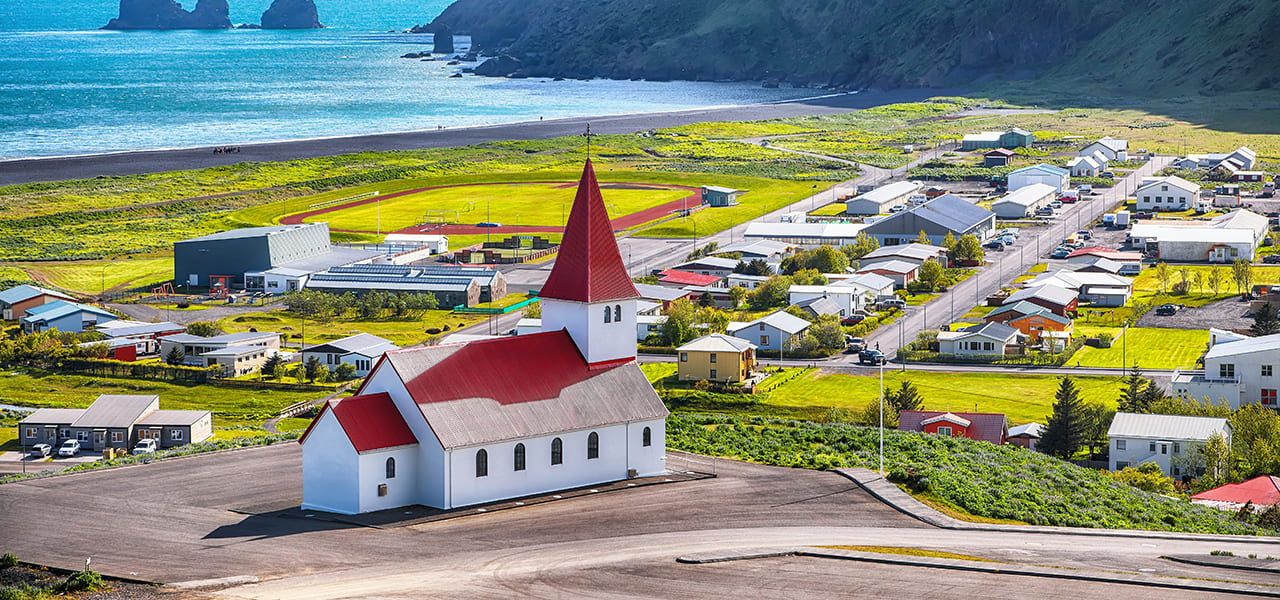
Iceland remains the safest country in Europe in 2026 because its safety is built into the wider system, not just law enforcement. It ranks #1 globally in the Global Peace Index 2025 with a score of 1.095 and has held the top position since 2008. It also operates without a standing army, relying instead on civil institutions, policing, and international defence arrangements. Iceland also took the 2nd place in the 2025/26 Women Peace and Security Index (WPS Index), which is a ranking the safest countries for women.
The country also performs strongly on structural indicators. It is one of the most egalitarian OECD economies, with a Gini coefficient of 0.250 and a relative poverty rate of 4.9%, which helps explain why crime pressures remain comparatively low.
What makes Iceland especially safe is that several factors reinforce each other at once: low inequality, strong welfare systems, high social trust, and stable institutions. In other words, safety is not only the result of low crime — it is built into the broader social structure.
Ireland ranks among the safest countries in Europe due to a combination of low violent crime, strong institutions, and high public trust in law enforcement. In the 2025 Global Peace Index, it remains in the top 3 globally with a score of approximately 1.26, reflecting strong internal stability and minimal conflict.
Key indicators support this:
A major structural factor is Ireland’s policing model. An Garda Síochána operates as an unarmed, community-based police force, relying on visibility and cooperation rather than force. Surveys consistently show high levels of public trust in police, which improves reporting rates and crime prevention.
Ireland also benefits from stable governance, strong economic performance, and relatively low inequality compared to many Western countries. These factors reduce long-term crime drivers, meaning safety is not only enforced — it is sustained through social and institutional stability.
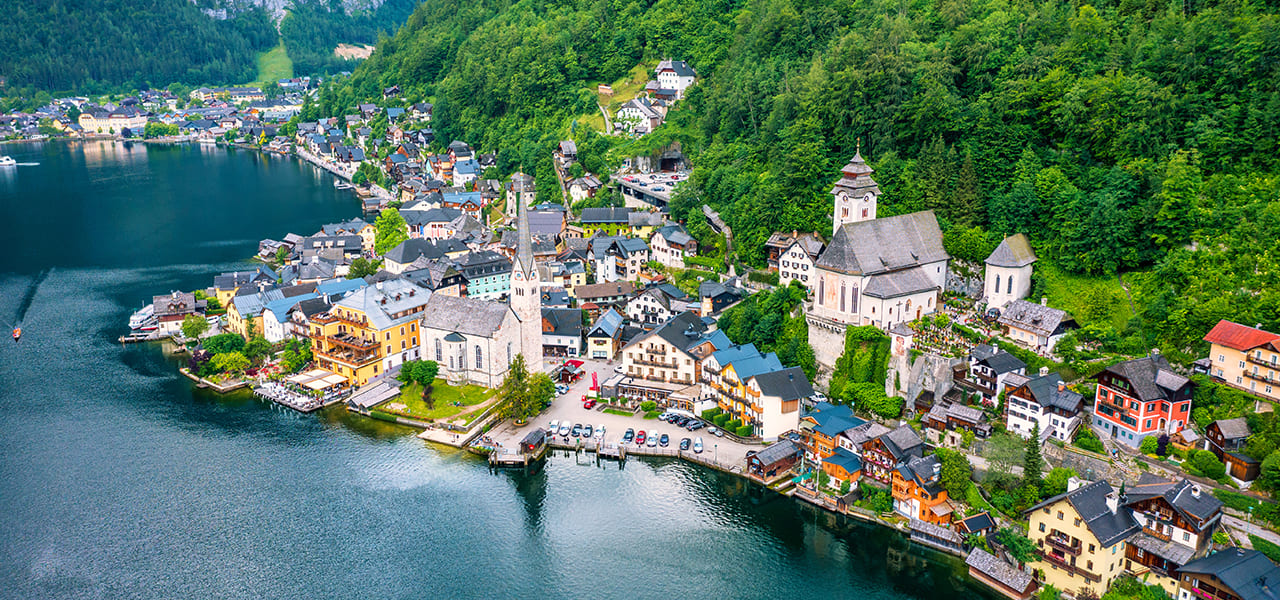
Austria’s safety is built on control, structure, and consistency rather than reactive policing. Its position in the Global Peace Index 2025 (score ~1.29) reflects a stable internal environment with low levels of conflict and crime.
Key indicators:
What distinguishes Austria is operational efficiency. Law enforcement is predictable, administrative systems function without disruption, and urban planning reduces high-risk zones. Vienna, for example, consistently ranks among the most liveable cities globally, with low crime concentrated mainly in non-violent categories.
In addition, Austria maintains tight regulatory control across borders, transport systems, and public spaces, which limits both organised crime and opportunistic offences. Safety here is not accidental — it is the result of system design and consistent enforcement.
Switzerland stands out for its consistently low crime levels combined with high institutional efficiency and economic stability. Its performance across multiple indicators reflects a system where risk is tightly controlled and deviations are quickly addressed.
A key factor is Switzerland’s decentralised (cantonal) system, where policing and administration are managed locally. This increases accountability and response efficiency, as law enforcement is closely tied to communities rather than centralised bureaucracy.
In addition, Switzerland maintains strict financial transparency and regulatory oversight, which reduces organised and financial crime. High income levels and low unemployment also limit economic-driven offences.
Another important element is civic responsibility. Public compliance with laws is high, and social trust remains strong, meaning fewer resources are required for enforcement compared to other countries.
As a result, safety in Switzerland is not only enforced — it is structurally embedded in governance, economy, and social behaviour.
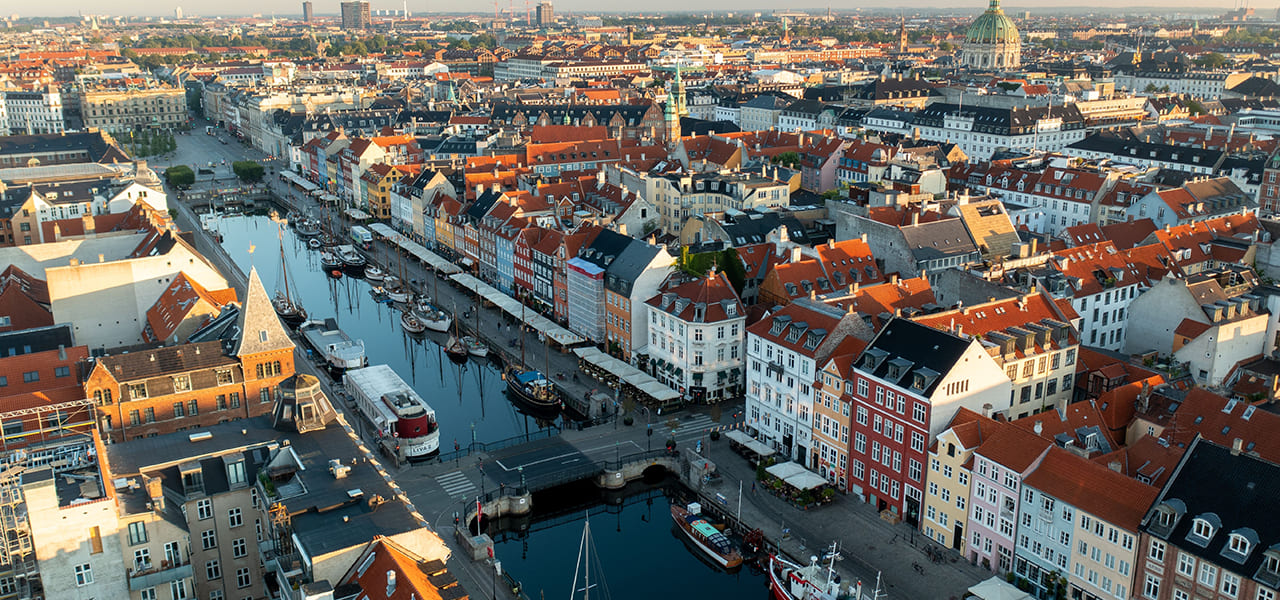
Denmark’s safety is closely tied to its social model, institutional trust, and low inequality, rather than heavy-handed policing. In the Global Peace Index 2025, it has a score of approximately 1.393, reflecting strong internal stability and low societal risk.
A few indicators help explain why Denmark performs so consistently well:
What makes Denmark different is that safety is supported by social structure as much as law enforcement. The country has one of the lowest levels of inequality in Europe, a strong welfare state, and high confidence in public institutions. That reduces many of the social pressures that typically correlate with crime. At the same time, policing is effective and visible, but it functions within a broader system of prevention, social support, and public cooperation. In practice, Denmark is safe not because it over-polices risk, but because it reduces the conditions that create it in the first place.
Portugal combines low violent crime, strong public order, and a visible prevention-based policing approach, which is why it continues to perform so well in European safety rankings. In the Global Peace Index 2025, it ranks 7th globally with a score of approximately 1.371, placing it firmly among the safest countries in both Europe and the world.
What distinguishes Portugal is that safety is maintained through visibility and prevention, especially in high-traffic urban and tourist areas. Official travel guidance consistently notes that overall crime rates are low, with the main risk concentrated in petty theft such as pickpocketing and bag-snatching in places like central Lisbon and Porto.
Portugal also benefits from broader structural factors: political stability, relatively low levels of violent crime, and a long-term improvement in international safety rankings. In practice, this means that Portugal is considered safe not because risk is absent, but because most risk is predictable, low-level, and actively managed.
Astons assists in obtaining the Portuguese Golden Visa through investment funds, handling every step of the process. Our experts ensure your application is prepared correctly and completed efficiently from start to finish.
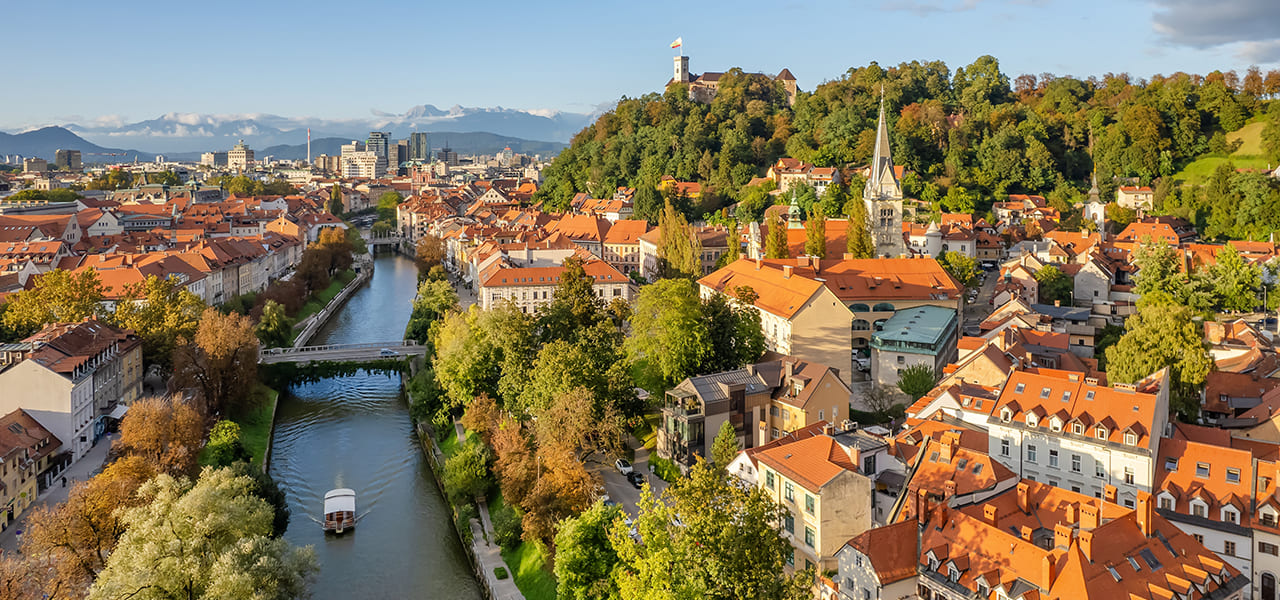
Slovenia’s safety profile is shaped by a combination of low violent crime, small-scale urban pressure, and strong everyday security, which is why it performs well across both institutional and perception-based rankings. In the Global Peace Index 2025, Slovenia ranks 9th globally with a score of 1.409. At the same time, in Numbeo’s 2026 Safety Index, it scores around 75.5, reflecting a high level of day-to-day safety as perceived by residents.
What makes Slovenia stand out is not just that crime is low, but that risk remains limited in ordinary daily life. Compared with larger EU states, Slovenia faces less pressure from oversized urban centres, and this helps keep both petty crime and violent incidents at comparatively low levels. It also benefits from a stable institutional environment and relatively high social cohesion, which supports a stronger feeling of safety in public spaces. In practical terms, Slovenia is considered safe because both the data and public perception point in the same direction: low crime, low tension, and a consistently secure everyday environment.
The Netherlands performs well on safety not because crime is absent, but because risk is actively managed through strong institutions, urban control, and efficient public systems. In Numbeo’s 2026 data, it records a Safety Index of 74.5 and a Crime Index of 25.5, which places it among the safer countries in Europe in terms of everyday experience. Official crime data also remains relatively low by European standards: 120 murders were recorded in 2024, down from 125 in 2023, continuing a long-term decline.
What makes the Netherlands distinct is the way safety is handled in practice, especially in urban areas. Cities like Amsterdam combine visible policing with targeted municipal safety policy focused on high-risk offences, nightlife zones, and public-order management. That matters because the country’s main safety challenge is not widespread violent crime, but petty theft, urban nuisance, and pressure in high-traffic areas. In other words, the Dutch model works by keeping daily-life risks controlled and predictable rather than trying to eliminate all crime altogether.
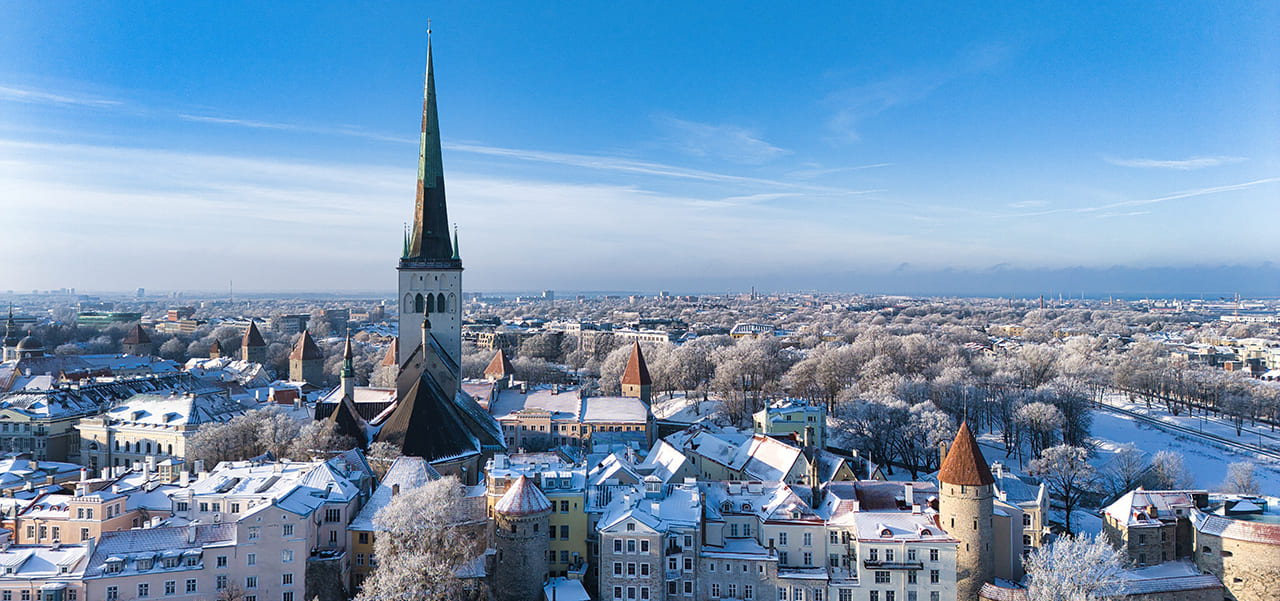
Estonia stands out because everyday safety is reinforced by clean governance, low corruption, and highly efficient public administration. In the Global Peace Index 2025, it ranks 24th globally with a score of 1.559. More importantly for daily life, Estonia performs very strongly on perception-based measures: its Numbeo Safety Index is 76.8 in 2026, with a Crime Index of 23.3, placing it among the safest countries in Europe in terms of how secure people actually feel.
What makes Estonia different is not just low crime, but how little friction there is in the system overall. Its digital-first public services reduce bureaucracy and limit many of the opportunities for petty corruption or administrative abuse that can undermine public trust elsewhere. That matters because countries with cleaner institutions tend to produce more predictable policing, stronger compliance, and a higher everyday sense of security. Estonia’s safety is therefore supported not only by policing, but by a governance model that is efficient, transparent, and trusted.
Finland’s safety is closely linked to its education system, low inequality, and exceptionally high institutional trust, which together reduce long-term crime drivers rather than relying on intensive enforcement. In the Global Peace Index 2025, Finland ranks within the top 10 globally with a score of approximately 1.40, reflecting strong internal stability and low levels of conflict.
One of Finland’s defining features is its preventative approach. Investment in education, social support systems, and equal access to opportunities reduces the structural causes of crime. As a result, while crime is not absent, it is typically low in severity and well-managed.
Policing in Finland is efficient but not overly visible, reflecting a system where compliance is driven more by trust and social cohesion than by deterrence alone. In practice, safety is maintained through long-term stability — a combination of governance, equality, and public confidence in institutions.
Safety in Europe is not accidental — it is the result of strong institutions, stable economies, and well-designed social systems. The countries in this ranking show that a high level of safety is closely linked to quality of life, predictability, and trust in public institutions.
At the same time, not all of these countries offer structured residency by investment pathways. Astons focuses on jurisdictions where such programs are clearly defined and accessible to international applicants.
For those looking to secure European residency while maintaining a high standard of living, countries such as Greece, Malta, Cyprus, Italy, and Hungary provide practical and well-established options.
Astons supports clients throughout the entire process — from structuring the application to final approval — helping you access Europe through solutions that are both reliable and aligned with your long-term goals.

 Learn more
Request a Free Consultation
Book a free consultation today and let our specialists help you choose the best country for your family
Send a RequestThe safest countries in Europe include Iceland, Ireland, Austria, Switzerland, Denmark, and Portugal. These countries consistently rank highest across global peace indexes, crime statistics, and safety perception, combining low violent crime with strong institutions and stable political environments.
Alina Medvedskaya
Real Estate Expert in Europe
Iceland is the most peaceful country in Europe and globally, according to the Global Peace Index. It has held the #1 position since 2008 due to extremely low crime, no standing army, and high social stability.
Alina Medvedskaya
Real Estate Expert in Europe
Iceland has one of the lowest crime rates in Europe, particularly for violent crime. Countries like Slovenia, Switzerland, and Estonia also report very low crime levels and high safety perception.
Alina Medvedskaya
Real Estate Expert in Europe
The best country to live in depends on priorities, but countries like Portugal, Denmark, Austria, and Switzerland stand out for combining safety, quality of life, economic stability, and strong public services.
Alina Medvedskaya
Real Estate Expert in Europe
Author

Alina Medvedskaya
Real Estate Expert in Europe
Alina Medvedskaya is an international real estate advisor specializing in premium residential and investment opportunities across Southern Europe.
Learn more about the authorShare


Related Articles
schedule a Meeting
Let’s Discuss the Details
Our expert will create a tailored solution based on your needs within 24 hours.

Susanna Uzakova
Senior Citizenship & Residency Advisor
 Your Data is Protected
Your information is handled under strict privacy policies.