
































 +44 207 043 6026
  +357 252 30233
  +971 454 01311
  +902 129 008 710
  +302 112 340 656
  +1 (888) 2033901


Citizenship by Real Estate Investment in Turkey
-
 17-MINUTE READ
 -
11 views
-
Share
 17-MINUTE READ
 11 views
 Share
Share
Susanna Uzakova
Senior Citizenship & Residency Advisor
- Last edited: October 1, 2026
To get Turkish citizenship through real estate investment, a foreign investor must purchase qualifying property worth at least $400,000, register a three-year restriction on its sale, obtain the required investment confirmation and residence permit, and then submit the citizenship application with the supporting documents. The investment can be made in residential or commercial property, eligible family members can be included in the same application, and permanent relocation to Turkey is not required.
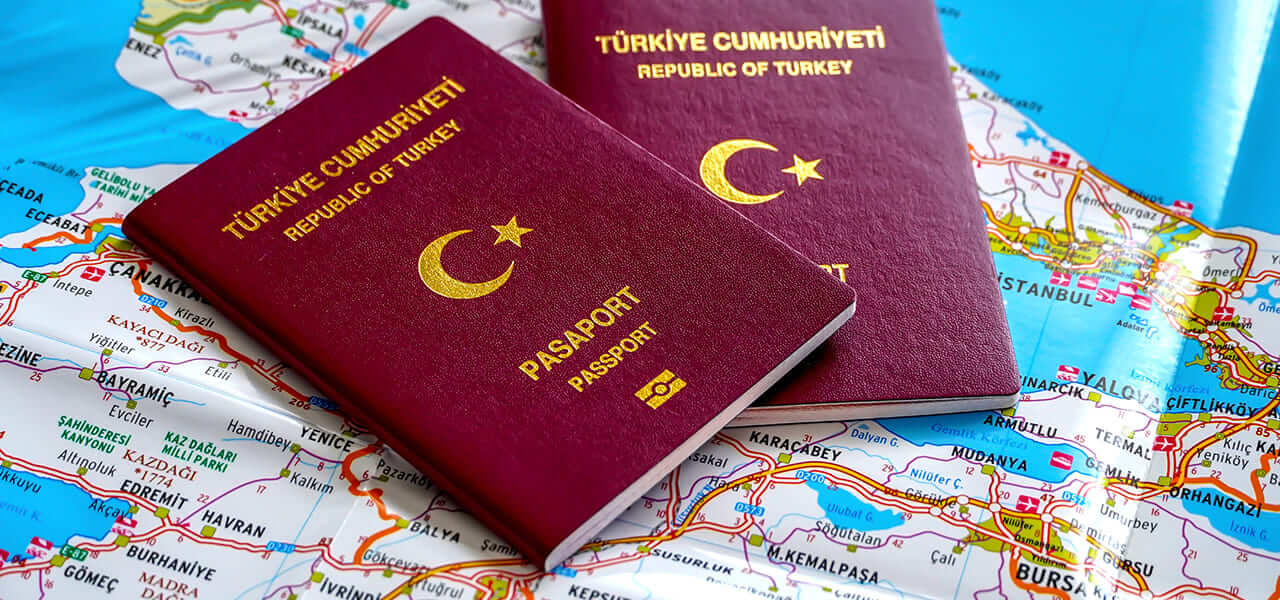
The core requirement for Turkish citizenship through real estate is the acquisition of qualifying property worth at least $400,000 or the equivalent in another accepted currency. The property must carry a restriction in the title deed stating that it cannot be sold for at least 3 years, and the authorities must confirm that the investment meets the conditions for exceptional citizenship.
The minimum qualifying real estate investment is $400,000. This amount must be supported by the official transaction and property documentation used in the citizenship process, rather than simply by the asking price advertised by a developer or real estate agent.
It is important to distinguish between the market price, the value declared in the title deed and the municipality’s official property value. These figures can differ, so the transaction structure and supporting documentation should be checked before purchase to ensure that the required $400,000 threshold is formally recognised for the citizenship application.
The route is not limited to conventional apartments. Turkish rules allow citizenship eligibility through different types of real estate, although the legal status of the asset, registration and transaction structure must still satisfy the citizenship requirements.
In practice, international investors most commonly choose completed apartments, new-build residences, commercial units or developer projects because the ownership structure and documentation are generally easier to verify. Off-plan or partially completed property requires additional scrutiny because the legal status of the unit, construction rights and form of the purchase agreement may affect whether the investment can be accepted.
A qualifying property must be registered with a restriction preventing resale for three years. This restriction is recorded in the Land Registry and forms part of the legal basis on which the investment is recognised for citizenship.
Investors can normally rent out the property during this period, so the holding requirement does not mean that the asset must remain unused. An average ROI in Turkey is around 5% in $ annually, although actual returns vary significantly according to location, asset type, purchase price and management costs.
A residence permit is a mandatory stage of the citizenship by investment process, but investors are not required to relocate permanently to Turkey or complete a multi-year residence period before applying for citizenship. After completing the qualifying investment, such as purchasing real estate worth at least $400,000, the investor travels to Turkey to submit the residence permit application and provide biometric data.
Under the standard procedure, the investor must then wait for the residence permit to be issued before the citizenship application can be submitted. The residence permit card typically takes around 10 days to be processed. During this period, the investor can remain in Turkey or leave the country and return once the permit is ready.
Only after the residence permit has been issued can the applicant proceed with the citizenship filing. This is what distinguishes the citizenship route from Turkish residency by investment as a standalone option: property ownership can be used to obtain residence without necessarily continuing to citizenship, while citizenship applicants must complete the residence stage as part of the process.
Since February 9, 2026, eligible citizenship by investment applicants in Istanbul can use an accelerated procedure introduced by the Istanbul Provincial Directorate of Migration Management. Under the standard process, investors first submit their residence permit documents and biometrics and then wait approximately 5–10 business days for the permit to be approved before filing the citizenship application. Under the new fast-track procedure, the residence permit stage and citizenship filing are compressed: qualifying investors can complete biometrics and submit the citizenship application on the same day, removing the usual waiting period between the two stages.

A spouse and dependent children under 18 can generally be included in the citizenship application. This allows a single qualifying real estate investment to support a family application rather than requiring each family member to make a separate $400,000 purchase.
Family documentation should nevertheless be prepared at the beginning of the transaction because marriage certificates, birth certificates and other civil-status records may require apostille, legalisation or certified Turkish translation. Delays in family documentation can slow the citizenship stage even when the property investment itself has already been completed.
Turkey permits dual citizenship under its own law, which means applicants are not normally required to renounce their existing nationality solely because they acquire a Turkish passport. However, the rules of the applicant’s current country of citizenship must also be checked because some jurisdictions restrict or regulate multiple nationality independently.
The financial structure of the transaction is one of the most important parts of citizenship by real estate investment in Turkey. Purchasing a property with an advertised value above $400,000 does not automatically mean that the investment will qualify, because the authorities evaluate the documented transaction and the supporting evidence rather than the marketing price alone.
The purchase therefore needs to be structured from the beginning as both a real estate transaction and a citizenship transaction. The sale contract, valuation, payment trail, bank documentation and title deed should all support the same investment amount and ownership structure.
A formal property valuation is a key part of the process. The valuation provides an independent assessment of the property and helps establish whether the asset supports the required investment threshold.
This creates an important distinction between market value and citizenship value. A developer may market a property at $430,000, for example, but if the documentation accepted for the citizenship procedure does not support a qualifying value of at least $400,000, the investor may face a problem despite having paid the advertised price.
For this reason, valuation risk should be assessed before the transaction becomes irreversible. Investors should avoid relying exclusively on the developer’s sales price and instead confirm how the asset is likely to be treated within the official citizenship process.
Legal due diligence should be completed before substantial funds are transferred. The review should confirm who legally owns the property, whether the seller has the authority to complete the sale, and whether the title records show any mortgages, liens, seizures, disputes or other restrictions that could affect the transaction. It should also cover the ownership history and any legal issues that may complicate registration of the property for citizenship purposes.
The lawyer should then verify that the property itself is suitable for the citizenship route. This is especially important when buying from a developer, purchasing an unfinished unit or acquiring an asset that may have been used previously in another investment migration transaction.
A property can look strong commercially and still create problems for a citizenship application if its legal status or transaction history is unclear. For this reason, due diligence should assess both the quality of the asset and its eligibility for the program, rather than focusing only on location, rental yield or expected appreciation.
The payment route should be planned before the purchase is completed. Funds need to move through the appropriate banking channels, and the amount transferred should match the property purchase documents used in the citizenship application.
Payment records should clearly identify the investor, the recipient and the purpose of the transfer. Keeping the banking documentation aligned with the purchase agreement and title deed helps ensure that the investment can be confirmed without unnecessary delays.

The acquisition becomes legally effective through registration with the Turkish Land Registry. The citizenship purpose and required three-year restriction must be reflected correctly in the title documentation, because the authorities rely on the Land Registry record when confirming the investment.
Errors at this stage can be difficult to correct after the purchase has already closed. Investors should therefore treat the title deed wording as a core citizenship document rather than as a routine administrative formality.
After the property and title procedures have been completed, the investment must be confirmed as compliant with the citizenship requirements. Turkish investment guidance states that, following completion of the title procedures, the foreign investor can proceed with the relevant application using the documentation confirming eligibility.
This stage effectively connects the real estate transaction with the immigration process. Until the investment has been recognised as qualifying, owning property worth more than $400,000 should not be treated as equivalent to having completed the citizenship requirements.
The main property-related taxes and registration charges typically amount to around 5% of the cadastral value stated in the transaction documents. This generally includes a 4% property transfer tax and a registration fee of approximately 1%. VAT, valuation, insurance and other administrative expenses may apply separately depending on the property and buyer profile.
Astons can shortlist qualifying properties, compare the total acquisition costs and calculate the full investment budget before you proceed with the purchase.
VAT on Turkish property transactions can range from 0% to 20%, depending on the type of property, the structure of the transaction and the buyer’s eligibility for an exemption. Some residential transactions may qualify for reduced treatment, while the standard rate can apply to other property types and purchase structures.
Foreign buyers may also be eligible for a 0% VAT exemption on the first delivery of qualifying residential or commercial property, provided the statutory conditions are met. Because the applicable rate can materially affect the total acquisition budget, VAT should be confirmed for the specific property before the purchase agreement is finalised.

The citizenship application requires identity, civil-status and investment documentation for the main applicant and participating family members.
The exact list can vary by family situation and country of issuance, but the core documents typically include:
Documents issued outside Turkey may require an apostille or consular legalisation, as well as certified translation into Turkish. Requirements and validity periods vary by document and issuing country, so paperwork should be reviewed before the property transaction is completed rather than collected only after the investment has been made.
Astons helps prepare the complete application file, coordinates translations and legalisation where required, and checks the investment and family documentation before submission.
The $400,000 citizenship threshold does not include taxes, registration charges or administrative expenses. The final acquisition budget depends on the property, VAT treatment and transaction structure, so these costs should be calculated before the purchase is finalised.
| Expense | Cost | Additional information |
|---|---|---|
| Property transfer tax | 4% of the cadastral value stated in the contract | Usually paid by the buyer, although it can sometimes be split equally with the seller |
| VAT | 0–20% | Depends on the property and transaction type. |
| Property registration fee | ~1% of the cadastral value stated in the contract | Payable as part of the registration process |
| Administrative expenses | From $1,000 | ЯчеIncludes property valuation, compulsory earthquake insurance and other standard administrative costs |
For investors buying property in Turkey for citizenship, Astons manages the process end to end through its team in Turkey, coordinating property selection, legal checks, valuation, documentation, residence permit formalities and the citizenship application. The investor is involved only where personal signatures, biometrics or other formal actions are legally required.
Within 24 hours, an Astons immigration specialist reviews the investor’s eligibility for the Turkish Citizenship by Investment program and assesses the most suitable route based on family structure, budget and investment goals.
At the same time, the team defines the property strategy. This includes whether the priority is rental income, capital preservation, personal use or resale after the mandatory three-year holding period.
Our lawyers prepare the list of documents required for the citizenship application and check them for compliance with the program rules. Where necessary, the team also coordinates translations, apostilles and other formalities so that the citizenship file can be prepared alongside the property transaction.
The real estate team then shortlists qualifying properties based on the investor’s budget and preferences. Before any purchase is finalised, Astons conducts legal due diligence on the selected asset, including checks on ownership, encumbrances, outstanding debts and its suitability for the citizenship route.
Once a suitable property has been selected, Astons specialists coordinate the reservation and purchase process with the developer or seller. Depending on the transaction, this may involve a preliminary sales agreement and a deposit, while some developers require the contract to be signed only after full payment.
Astons’ lawyers support the transaction, including the banking and payment stages, and make sure the financial documents are aligned with the property purchase and citizenship requirements.

Our team calculates the applicable acquisition costs and coordinates the payment of the relevant taxes and fees. These may include property transfer tax, VAT where applicable, registration expenses and administrative charges.
The exact amount depends on the property and buyer profile, so the full acquisition budget is established before the transaction is completed.
A licensed independent appraiser assesses the selected property to confirm that it meets the minimum value required for citizenship. Astons coordinates the valuation process and ensures that the report is included in the documentation submitted to the Turkish authorities.
This stage is particularly important because the property must satisfy the program’s valuation and transaction requirements, not simply have an advertised price above $400,000.
Our legal team coordinates the transfer of ownership and the registration of the mandatory 3-year restriction on the sale of the property. The relevant title and investment documents are then prepared so that the qualifying investment can be formally recognised for citizenship purposes.
The investor remains the legal owner and can generally rent out the property during the three-year holding period. After the restriction expires, the asset can be sold without normally affecting the citizenship already obtained.
A Turkish residence permit is required before the citizenship application can be completed. Astons prepares the residence permit file and coordinates the appointment, while the investor and participating family members attend in person where biometrics and a digital photograph are required.
Physical residence in Turkey is not mandatory. The permit functions as an administrative stage of the citizenship process rather than as a long-term residence requirement.
Once the investment and residence stages are complete, our experts prepare and coordinate a the citizenship submission. The main applicant and spouse attend in person where required, while the legal team checks the complete file before submission and follows the application through the review process.
Astons currently estimates the overall citizenship timeline from around 8 months. Once citizenship is approved, the investor and eligible family members can proceed with the issuance of Turkish passports.

The largest risks in buying property in Turkey for citizenship usually arise from execution rather than from the legal threshold itself. Investors who focus exclusively on reaching $400,000 can overlook valuation, legal status, payment documentation and resale quality, all of which can affect either the citizenship process or the financial performance of the investment.
The strongest approach is therefore to assess each property twice: once as a citizenship asset and once as a normal real estate investment. A property that passes only one of these tests should generally be reconsidered.
Investing exactly at the minimum threshold can leave little room for valuation differences or changes in transaction structure. If the amount ultimately recognised for citizenship falls below the required level, the investor may need to add another asset or restructure the transaction.
A modest margin above the legal minimum can provide additional protection. The appropriate buffer depends on the property and valuation, so it should be determined before the purchase rather than after a discrepancy appears.
An asking price is a commercial figure set by the seller and does not by itself determine citizenship eligibility. The official valuation and transaction documentation are more important when the investment is reviewed for citizenship purposes.
Investors should therefore be cautious about marketing claims such as “guaranteed citizenship property” unless the legal and valuation structure has been independently checked. Citizenship approval ultimately depends on compliance with the rules, not on the terminology used in a sales brochure.
Buying directly from a well-known developer does not remove the need for independent legal due diligence. The investor’s lawyer should represent the buyer’s interests rather than relying exclusively on documents or explanations provided by the seller.
The review should cover title ownership, restrictions, mortgages, construction status and the transaction’s compatibility with the citizenship procedure. Independent verification becomes even more important when substantial funds are being transferred before title registration.
Some citizenship investors focus so heavily on the passport that they underestimate the importance of the property’s resale prospects. After three years, the investor may legally be able to sell, but that does not guarantee that a buyer will be available at the desired price.
Liquidity therefore matters. Projects in established residential or commercial locations with genuine local and international demand generally offer a stronger exit profile than developments priced primarily around citizenship demand.
Rental yield projections should be reviewed carefully. Astons indicates that qualifying Turkish real estate can generate average returns of around 5% annually, but the actual net return can be lower after management, maintenance, vacancies, insurance and taxation are included.
Investors should distinguish between gross and net yield and ask what assumptions underpin the projected rental income. A realistic model should include periods without tenants as well as ongoing ownership costs.
Foreign investors can buy property in Turkey and get residency from $200,000. Citizenship through real estate requires a higher threshold of $400,000 and follows a separate application process.
The choice therefore depends on whether the investor’s goal is residence or a Turkish passport.

The citizenship decision should be separated from the question of tax residence. A person can hold Turkish citizenship without necessarily becoming Turkish tax resident, while someone who relocates and establishes tax residence may become subject to a very different tax framework.
A new tax incentive introduced in 2026 provides eligible new Turkish tax residents with a 20-year exemption from income tax on qualifying foreign-source income. The regime applies to individuals who were not resident or tax-registered in Turkey during the three calendar years before becoming Turkish residents. Qualifying foreign income is not included in the annual Turkish income tax return during the exemption period.
This can be particularly relevant for internationally mobile investors who plan to relocate after obtaining citizenship. Eligibility depends on the individual’s previous tax status and the nature of the income, so the tax position should be reviewed separately when planning the move to Turkey.
Citizenship by real estate investment in Turkey requires more than simply purchasing property worth $400,000. The asset must meet the program requirements, the transaction needs to be documented correctly, and the residence and citizenship stages must follow the required legal process.
Astons manages the full journey through its team in Turkey, from selecting suitable property and carrying out legal checks to preparing the residence permit and citizenship applications. We also help investors assess rental potential, ownership costs and future resale prospects so the property works not only for citizenship, but as part of a broader investment strategy.

 Learn more
Request a Free Consultation
Book a free consultation today and let our specialists help you choose the best country for your family
Send a RequestAuthor

Susanna Uzakova
Senior Citizenship & Residency Advisor
Suzanna Uzakova is an international specialist and a leading expert at the company in the field of investment immigration.
Learn more about the authorShare


Related Articles
schedule a Meeting
Let’s Discuss the Details
Our expert will create a tailored solution based on your needs within 24 hours.

Susanna Uzakova
Senior Citizenship & Residency Advisor
 Your Data is Protected
Your information is handled under strict privacy policies.