




































 +44 207 043 6026
  +357 252 30233
  +971 454 01311
  +902 129 008 710
  +302 112 340 656
  +1 (888) 2033901


Cyprus Real Estate Market Reaches New All-Time High
-
 7-minute read
 -
713 views
-
Share
 7-minute read
 713 views
 Share
Share
Oksana Kogut
Head of Sales, Cyprus
- Last edited: June 23, 2026
In 2026, the Cyprus real estate market continues to demonstrate strong and sustainable growth. In April, the market reached a new historic high: according to the Department of Lands & Surveys, 1,611 property sale contracts were registered across the island. This exceeded not only last year’s figures, but also the previous all-time peak recorded in 2007.
Demand for local property is rising from both Cypriot and international buyers. Against the backdrop of global economic and geopolitical uncertainty, Cyprus is increasingly viewed not only as a popular Mediterranean destination, but also as a secure European jurisdiction for capital preservation, residency acquisition, and long-term relocation.
In this article, we examine what is driving the market’s record-breaking performance, which regions are showing the strongest growth, and why many international investors are choosing Cyprus right now.
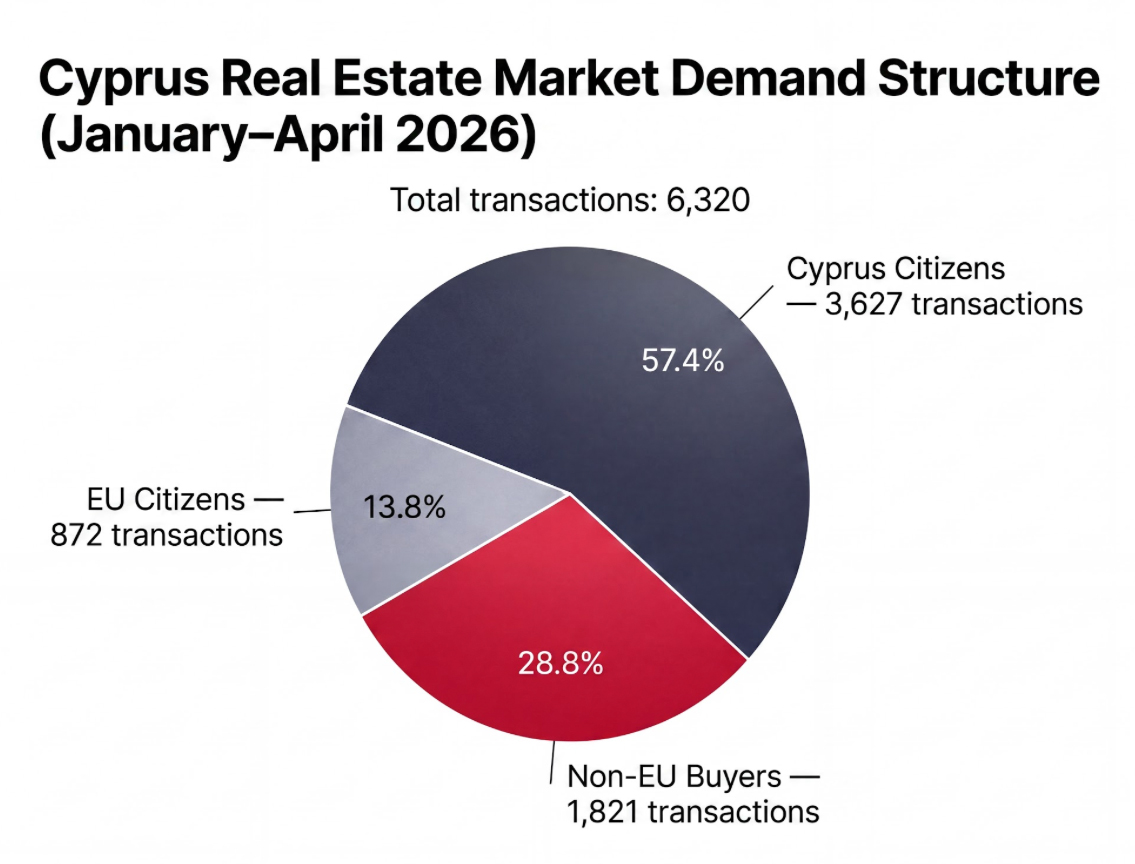
Statistics from the first months of 2026 confirm that growth in the Cyprus property market remains sustainable. Between January and April, 6,320 property sale contracts were registered in the land registries — 14% more than a year earlier (5,541).
The strongest results were recorded in April, when the number of transactions reached a new all-time high. The Department of Lands & Surveys registered 1,611 property sale contracts. This became the highest figure ever recorded and exceeded the previous record set in April 2007 — 1,556 transactions — by 3.5%. Compared to April 2025 (1,404 transactions), growth reached 15%.
Importantly, growth was recorded across all sectors of the market.
The statistics include transactions on both the primary and secondary property markets, including:
One of the key trends of 2026 remains the growing activity of international investors, although the Cyprus property market continues to be primarily supported by strong domestic demand.
According to the Department of Lands & Surveys, Cypriot buyers completed 962 purchases in April 2026, accounting for 59.7% of all market transactions. Foreign investors represented 40.3% of the market: EU citizens completed 197 purchases, while buyers from non-EU countries accounted for 452 transactions.
At the same time, international demand is growing faster than the market overall. In April, transactions involving foreign buyers increased by 18% year-on-year. Demand from EU citizens rose by 6%, while purchases by non-EU nationals increased by 23%.
| Buyer Category | Number of Transactions | Market Share | Annual Growth |
|---|---|---|---|
| Cypriot Citizens | 962 | 59.7% | +13% |
| EU Citizens | 197 | 12.2% | +6% |
| Non-EU Citizens | 452 | 28.1% | +23% |
Positive momentum had already been visible since the beginning of the year. Between January and April, foreign buyers purchased 2,693 properties, accounting for 42.6% of all market transactions. Compared to the same period in 2025, international demand increased by 21%: activity among EU buyers rose by 20%, while demand from non-EU nationals increased by 21.5%.
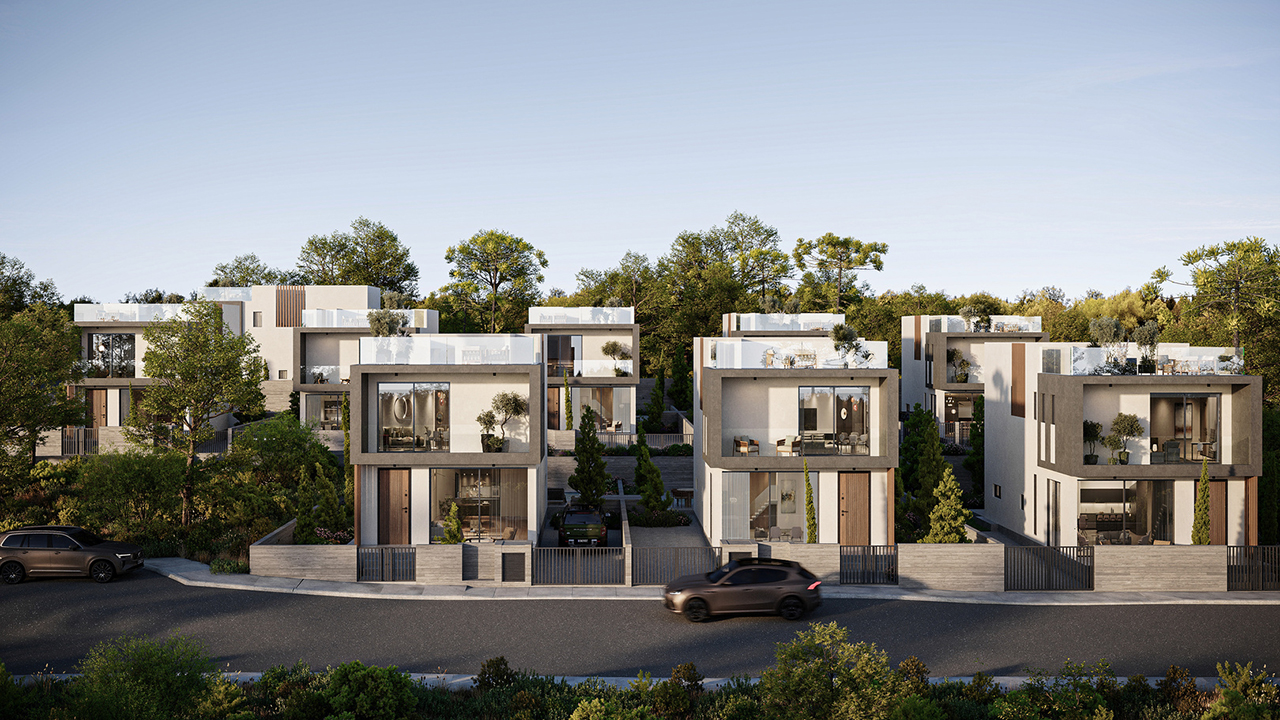
The market growth trend is visible across almost all regions of the island, although growth rates differ by location. Paphos and Larnaca currently demonstrate the strongest momentum, while Limassol maintains its position as Cyprus’ main business and investment center.
| Region | Transactions (April) | Growth |
|---|---|---|
| Limassol | 505 | +10% |
| Nicosia | 361 | +2% |
| Paphos | 336 | +41% |
| Larnaca | 333 | +21% |
| Famagusta | 76 | 0% |
Paphos became the absolute leader in property sales growth in April 2026. The number of transactions increased by 41% — from 238 in April 2025 to 336 in 2026.
The region remains the main center of international demand in Cyprus. Foreign buyers complete twice as many transactions here as local residents. Paphos also recorded the strongest growth among international investors: sales to non-EU buyers increased by 64%, while purchases by EU citizens rose by 50%.
Demand is supported by well-developed infrastructure, an international airport, a large expat community, coastal lifestyle advantages, and more affordable prices compared to Limassol.
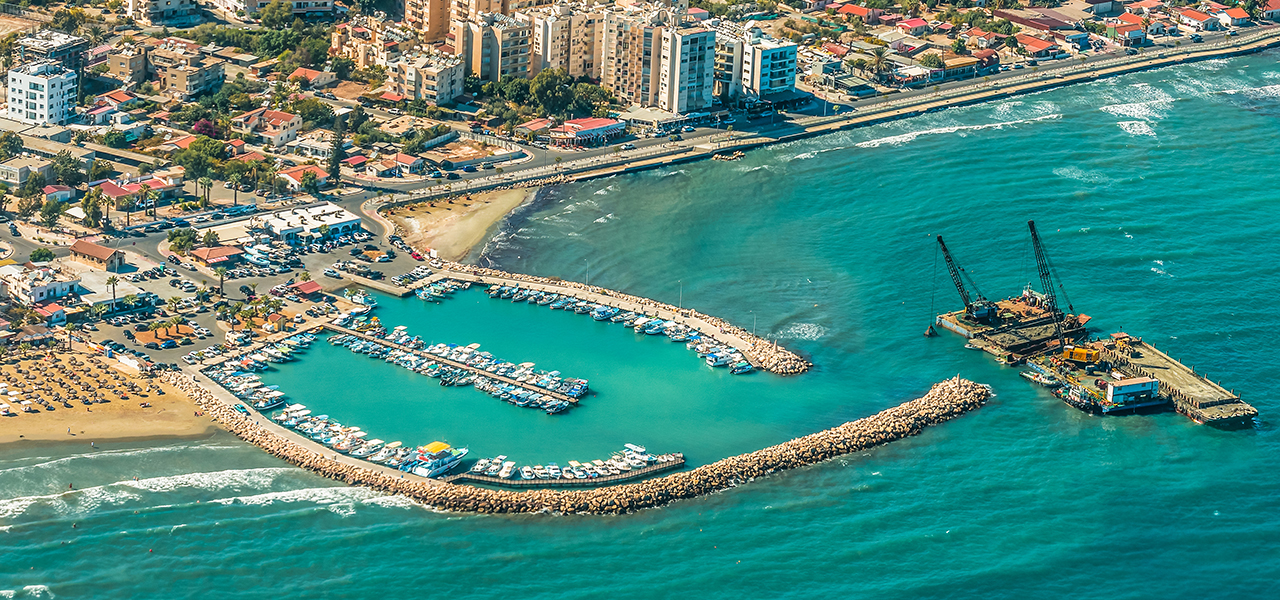
Larnaca is also demonstrating strong growth and currently ranks second among the island’s fastest-growing regions. Property sales in April increased by 21% — from 275 to 333 transactions. Positive momentum has continued since the beginning of the year: during the first four months of 2026, sales in Larnaca increased by 12% year-on-year.
Growth is being driven by both domestic and international demand. Among Cypriot buyers, Larnaca recorded one of the strongest performances on the island: transactions involving local residents increased by 37% in April and by 8% during January–April.
At the same time, interest from international investors continues to rise. Transactions involving EU buyers increased by 19% in April and by 25% during the first four months of the year. Demand from non-EU buyers also remains strong, with growth reaching 14% between January and April.
Interest in the region is supported by major infrastructure projects, including the modernization of the port and marina, coastal redevelopment projects, and broader urban renewal initiatives.
Limassol remains the country’s largest real estate market by transaction volume. In April 2026, 505 property sale contracts were registered here — the highest figure among all regions of Cyprus. Compared to the same period last year, transaction volume increased by 10%.
Positive momentum extends beyond April alone. During the first four months of 2026, the number of transactions in Limassol increased by 14%, reaching 2,004 deals.
Strong market activity is supported by all buyer categories. Domestic demand remains stable: in April, Cypriots completed 258 transactions — 20% more than a year earlier. Between January and April, local buyers purchased 923 properties in Limassol, representing 12% growth.
International demand is also strengthening. Buyers from non-EU countries registered 146 transactions in April — 12% higher than last year’s figure. During the first four months of the year, purchases by non-EU nationals reached 562 transactions, representing 22% growth.
Demand from EU citizens also increased by 7%, with 125 transactions completed between January and April.
Limassol traditionally attracts investors focused on business relocation, premium real estate, and high-liquidity long-term assets. The city is home to international companies, office clusters, and modern residential developments, including luxury projects.
Nicosia continues to demonstrate stable domestic demand. In April, 361 transactions were completed in the capital, representing 2% growth compared to last year.
Famagusta maintained the same transaction volume as in 2025, with 76 sales recorded in April. Despite the absence of growth during the month itself, the region demonstrated one of the strongest performances during the first four months of the year, with transaction volume increasing by 25%.
These figures indicate that the Cyprus real estate market is developing not due to temporary speculation, but thanks to sustainable local and international demand. For investors, this represents an important indicator of long-term market stability and growth potential.

The growth in international demand for Cyprus property is driven not only by market dynamics. For many foreign buyers, purchasing property on the island forms part of a broader strategy involving capital preservation, family relocation, residency acquisition, and the creation of a secure European base. In the long term, investors may also become eligible to apply for Cypriot citizenship.
Against the backdrop of geopolitical uncertainty, Cyprus is increasingly viewed as a strategic “Plan B” destination. In 2026, the island continues to attract investors as a stable jurisdiction for long-term living and business operations. Cyprus is also working toward joining the Schengen Area, and further integration into the European framework could significantly enhance international mobility opportunities for residents.
Ongoing political tensions in the Middle East are also increasing interest in Cyprus as a safe jurisdiction, supporting international demand and contributing to property price growth.
Another important factor is Cyprus’ growing role as an international business center. Foreign companies and entrepreneurs continue relocating operations to the island due to access to the EU market, specialist relocation programs, and a favorable business environment.
For investors, this suggests that the market is not experiencing a short-term spike, but rather demonstrating signs of long-term structural growth. Paphos, Larnaca, and Limassol remain among the most high-potential investment locations on the island.
For buyers from non-EU countries, property in Cyprus also serves as a convenient route to obtaining permanent residency in Europe.
By investing €300,000 + VAT in new real estate from a developer, investors can get Cyprus residency in as little as 8 months. This status is granted for life and extends to spouses and dependent children.
For many families, this means access to European infrastructure, international schools, and healthcare systems. For entrepreneurs, it creates a strategic base for both living and business operations within the EU.
Against the backdrop of rising real estate demand, the combination of property investment and residency rights remains one of the main factors supporting foreign buyer interest in Cyprus.
Astons provides comprehensive support throughout every stage of the investment process — from selecting suitable properties to obtaining residency status. The company’s specialists can offer a curated portfolio aligned with your goals and preferences, assist with choosing the right property, and prepare the permanent residency application for the entire family. The entire process can be completed remotely, with only one visit to Cyprus required for biometric submission. Contact us to receive expert guidance.
The Cyprus real estate market in 2026 continues to demonstrate strong and sustainable growth, reinforcing its position as one of Europe’s most attractive investment destinations. Record-breaking April sales figures, rising transaction volumes across all regions, and growing international demand confirm that interest in Cyprus property is supported by both domestic and global factors.
Today, buyers increasingly view Cyprus real estate not only as a capital preservation tool. For many investors, it is also a way to diversify assets, create a long-term backup plan for family and business, and obtain European residency. Additional advantages include the country’s stable legal system, EU membership, plans for further Schengen integration, and its active residency by investment program.

 Learn more
Request a Free Consultation
Book a free consultation today and let our specialists help you choose the best country for your family
Send a RequestAuthor

Oksana Kogut
Head of Sales, Cyprus
Astons real estate expert in Cyprus. Oksana possesses an advanced degree in Real Estate with a focus on the international investor.
Learn more about the authorShare


Related Articles
schedule a Meeting
Let’s Discuss the Details
Our expert will create a tailored solution based on your needs within 24 hours.

Susanna Uzakova
Senior Citizenship & Residency Advisor
 Your Data is Protected
Your information is handled under strict privacy policies.