



































 +44 207 043 6026
  +357 252 30233
  +971 454 01311
  +902 129 008 710
  +302 112 340 656
  +1 (888) 2033901


How Many Citizenships Can a Person Hold?
-
 11-minute read
 -
1,376 views
-
Share
 11-minute read
 1,376 views
 Share
Share
Alexander Kosovskiy
Senior Citizenship & Residency Advisor
- Last edited: May 28, 2026
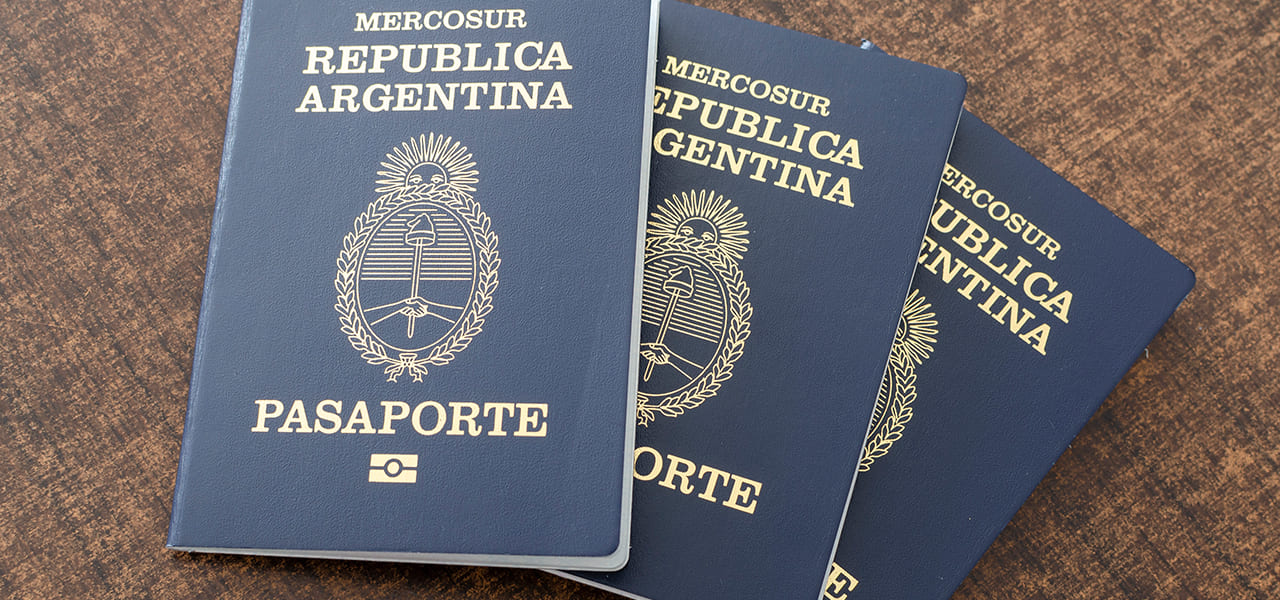
There is no universal legal limit on how many citizenships a person can hold. In practice, an individual may legally possess two, three, four, or even more citizenships, provided that each country involved permits dual or multiple nationality under its own laws. The key factor is not the number of passports itself, but the legal compatibility between jurisdictions. For globally mobile families, entrepreneurs, and investors, additional citizenship increasingly serves a broader purpose than travel convenience alone — creating greater international flexibility, expanded residence rights, access to education and healthcare systems, and long-term diversification opportunities.
In this guide, we explain how multiple citizenship works, which countries permit it, how people legally acquire additional passports, and the key benefits and responsibilities that come with holding more than one nationality.

Multiple citizenship means that one person is legally recognised as a citizen of more than one country at the same time. If a person has two nationalities, it is usually called dual citizenship. If they have three, it may be called triple citizenship. Once a person has more than two, the broader term “multiple citizenship” is more accurate.
In legal terms, however, most countries do not focus on whether a person has two or five passports. They usually ask a simpler question: does our national law allow this person to hold another citizenship?
That is why someone can legally hold several nationalities if all countries involved permit it. For example, a person might be born in a country that grants citizenship by birthplace, inherit another nationality from parents, later naturalise in a country of residence, and then obtain an additional passport through investment.
No international law sets a maximum number of citizenships. Nationality is regulated by each country separately. This means one country may allow its citizens to hold several passports, while another may require automatic loss or renunciation of citizenship when a new nationality is acquired.
The practical limit is therefore not numerical. It is legal compatibility.
For example, the UK allows dual citizenship, so a British citizen can usually obtain another nationality without automatically losing British citizenship. Germany historically had stricter rules, but its modernised nationality law entered into force on 27 June 2024 and now generally allows both foreigners naturalising in Germany and German citizens acquiring another nationality to keep their existing citizenship.
This is why a person may be able to hold multiple citizenships if they choose countries with compatible rules, but may face restrictions if one of the countries does not permit dual nationality.

I rechecked it and a few points needed tightening. The earlier version was slightly too broad, especially around the UAE and Austria. Germany’s 2024 reform allowing multiple citizenship is correct.
Here is a cleaner, safer version for the article:
The ability to hold multiple citizenship depends entirely on national law. While acceptance of dual and multiple nationality has increased globally, countries continue to apply very different rules. Some freely permit citizens to acquire additional passports, others allow it only in limited circumstances, and some maintain restrictions.
Countries that generally allow dual or multiple citizenship include many of the world’s largest economies and most popular relocation destinations:
At the same time, several jurisdictions continue to maintain stricter approaches or substantial limitations regarding dual nationality:
Some countries operate under more nuanced systems. Spain permits dual citizenship in specific situations, particularly through agreements with selected countries. The United Arab Emirates introduced legal reforms permitting dual citizenship in certain cases, but approval mechanisms remain selective rather than broadly available.
As a result, the central question is often not whether an additional passport can be obtained, but whether all citizenships involved can legally coexist.
Citizenship and dual nationality laws frequently change and may depend on nationality, bilateral agreements, legal reforms, or individual circumstances. Applicants should verify current rules before making decisions, as policies and eligibility requirements may change over time.
Multiple citizenship can appear naturally or be planned strategically. The most common routes are birth, descent, marriage, naturalisation and investment.
Some countries grant citizenship automatically to people born on their territory. This is known as jus soli, or citizenship by place of birth. The United States is one of the best-known examples.
If a child is born in a country that grants citizenship by birth and also has parents from countries that pass citizenship by descent, the child may receive more than one nationality from birth.
Many countries allow citizenship to pass from parents to children, and some extend this right to grandchildren or even later generations. Italy, Ireland, Greece, Poland and Portugal are often associated with ancestry-based citizenship claims, although eligibility depends on family history and documentary proof.
This route can be especially attractive because it may give access to citizenship without investment or long-term residence, provided the applicant can prove the family connection.
Marriage to a citizen can create a faster route to naturalisation in many countries. However, marriage itself does not usually grant citizenship automatically. Most countries still require a period of legal residence, evidence of a genuine relationship, language knowledge, or integration requirements.
Naturalisation is the traditional route for people who live in another country for several years and eventually qualify for citizenship. Requirements vary by jurisdiction, but often include legal residence, physical presence, clean criminal record, tax compliance, and sometimes language or civic knowledge.
Some countries require applicants to renounce previous citizenship. Others allow naturalised citizens to keep their original nationality.

Citizenship by Investment allows qualified applicants to obtain citizenship through a government-approved financial contribution, real estate purchase, or other eligible investment.
This route is often attractive to investors because it can be faster than traditional naturalisation and may not require long-term residence. However, applicants must pass due diligence checks and comply with source-of-funds and documentation requirements.
Astons supports a portfolio of Citizenship by Investment programmes across the Caribbean, Oceania, the Middle East, Africa, and Latin America. The available options differ in investment structure, processing times, family eligibility, and long-term objectives. Some schemes focus on speed and mobility, while others emphasise real estate ownership, regional access, or broader international planning. Astons provides end-to-end guidance throughout the process, including program selection, pre-application assessment, documentation preparation, and submission support.
| Program | Minimum Investment | Approx. Processing | Investment Options |
|---|---|---|---|
| Vanuatu | $130,000 | From 2–3 months | Irrevocable fund donation |
| São Tomé and Príncipe | $90,000 | The government due diligence process takes from 2 months, while citizenship is typically granted within 4–6 months. | Irrevocable fund donation |
| Nauru | $90,000 (limited-time offer until 30 June 2026) | From 3–4 months | Irrevocable fund donation |
| El Salvador | $1,000,000 | From 2 months | Irrevocable donation (possible payment in BTC or USDT) |
| Egypt | $250,000 | From 8 months | Irrevocable donation / Business or real estate investment |
| Türkiye | $400,000 | From 8 months | Real estate investment |
| Grenada | $235,000 | From 6 months | Irrevocable fund donation / Real estate investment |
| Dominica | $200,000 | From 4 months | Irrevocable fund donation / Real estate investment |
| Saint Lucia | $240,000 | From 10-12 months | Irrevocable fund donation / Real estate or bonds investment |
| Antigua and Barbuda | $230,000 | From 8 months | Irrevocable fund donation / Real estate investment |
Yes. A person can legally have three, four or more passports if all countries involved allow multiple nationality.
For example, a person could be born in Canada, inherit Italian citizenship from a parent, naturalise in the UK after residence, and later obtain Caribbean citizenship by investment. If all relevant countries permit multiple citizenship, that person may legally hold four passports.
There is no automatic point at which a government says a person has “too many” citizenships. Each country applies its own law independently.
The real issue is not the number of passports, but whether any of the countries involved restrict multiple nationality.
Multiple citizenship can offer advantages that extend far beyond additional visa-free travel. For internationally mobile individuals, entrepreneurs, and families, it can become a long-term strategy for diversification, security, and greater personal flexibility.
Key benefits include:

While holding multiple citizenships can create substantial advantages, it may also introduce legal, financial, and administrative obligations that should be understood before acquiring an additional nationality. The impact varies depending on the countries involved, as each jurisdiction applies its own rules regarding taxation, civic responsibilities, and treatment of dual nationals.
None of the factors mentioned below outweigh the advantages of multiple citizenship. However, understanding responsibilities in advance helps ensure that additional nationality creates flexibility rather than unexpected complications. For globally mobile individuals and investors, careful planning before getting another citizenship is often as important as the passport itself.
There is no universal limit on how many citizenships a person can hold. The real consideration is not the number of passports, but whether the countries involved legally allow multiple nationality and how those citizenships work together in practice.
For some people, multiple citizenship develops naturally through family background, birthplace, or international life paths. For others, it becomes a strategic decision shaped by mobility goals, business interests, family planning, or long-term international diversification.
As global mobility continues to evolve, additional citizenship increasingly represents more than travel access alone. When structured carefully, it can provide greater flexibility, expanded opportunities, and long-term security across multiple jurisdictions.
Understanding compatibility between countries, legal obligations, and the available pathways remains essential before making any decision. With the right planning and professional guidance, multiple citizenship can become a valuable long-term asset rather than simply an additional passport.
Astons helps clients assess whether additional citizenship fits their personal, family and investment goals. As an authorised investment migration firm working with multiple Citizenship by Investment jurisdictions, including Vanuatu, Nauru, Sao Tome and Principe and selected Caribbean programmes, Astons supports applicants through the entire process.
This includes program comparison, eligibility assessment, pre-application review, document preparation, source-of-funds guidance, application submission and coordination with authorised programme channels.
If you are considering a second or third citizenship, Astons can help identify the most suitable route based on your current citizenship, objectives, budget and timeline. Contact us to arrange a confidential discussion with an investment migration specialist.

 Learn more
Request a Free Consultation
Book a free consultation today and let our specialists help you choose the best country for your family
Send a RequestAuthor

Share


Related Articles
schedule a Meeting
Let’s Discuss the Details
Our expert will create a tailored solution based on your needs within 24 hours.

Susanna Uzakova
Senior Citizenship & Residency Advisor
 Your Data is Protected
Your information is handled under strict privacy policies.