




























 +44 207 043 6026
  +357 252 30233
  +971 454 01311
  +902 129 008 710
  +302 112 340 656
  +1 (888) 2033901


Best Golden Visas & CBI Programs for families
-
 16-minute read
 -
1,450 views
-
Share
 16-minute read
 1,450 views
 Share
Share
Susanna Uzakova
Senior Citizenship & Residency Advisor
- Last edited: July 9, 2026
Cyprus, Malta, Greece, Portugal, Hungary, Italy, the UAE, and Turkey are among the main countries offering strong options for families relocating through investment migration in 2026.For families relocating internationally, the key decision is the country itself — because it determines education, safety, healthcare access, language, and long-term quality of life. Each destination offers a different balance: the UAE has the most developed international school network, Cyprus offers an English-speaking environment with a straightforward family residency program, and Greece combines EU access with accessible investment routes and a generally safe living environment.
This article covers both the investment mechanics — what you need to spend, who qualifies as a dependent, what legal status you receive — and the reasons each country works as a place to actually raise children.
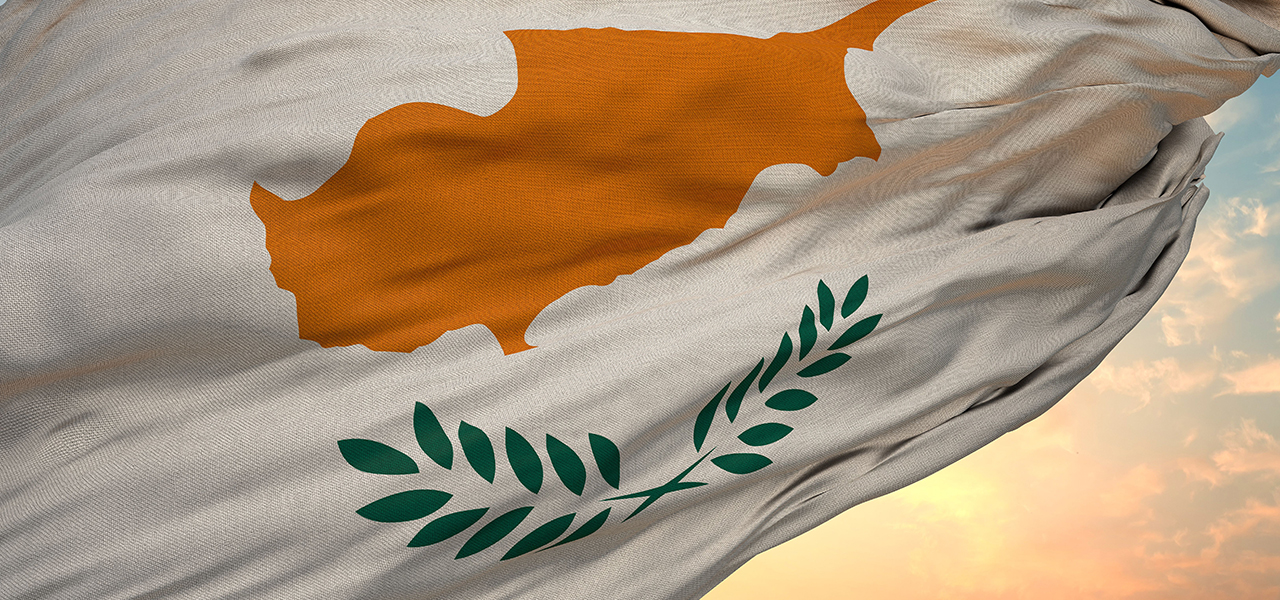
Cyprus is a Mediterranean island of 1.2 million people, 43 non-EU nationals per 1,000 residents — the third-highest share in the EU after Luxembourg and Malta — and 340 days of sunshine per year. English is widely spoken across the entire island, not just in tourist areas. It is the operational language in business, law, and most international schools.
The international school sector covers British, IB, American, French, and German curricula, catering to virtually every passport community. Schools like The Heritage, Paphos International, and the American International School of Cyprus offer globally recognised qualifications. Cyprus has a strong family-oriented culture — the island’s communities are small enough that children integrate into neighbourhoods, not just school campuses.
Healthcare is EU-standard. The General Healthcare System (GESY), introduced in 2019, provides universal access to public healthcare for all residents, including foreign nationals who hold a residency permit. Private healthcare is well-developed and affordable by European standards.

Malta’s population is roughly 535,000, but its infrastructure is built for international mobility — it is the EU’s most densely populated country and, per capita, one of its most internationally connected. English is an official language and the medium of instruction in most schools. Malta ranks consistently in the top tier of EU safety indices — for instance, it’s 12th safest country globally in the World Justice Project Rule of Law Index 2025. The island’s size creates an unusual social dynamic for families: expat communities are tight-knit, well-networked, and practically oriented, rather than isolated in gated residential compounds.
Malta’s school system includes both a strong private English-medium sector and Maltese public schools, all operating in English. The island hosts a growing number of international schools offering British and IB curricula. Healthcare is provided under a universal system — public hospitals are free for residents, and private hospitals offer high-quality care at costs well below the UK or Northern Europe. The EU access Malta provides is operationally significant: Maltese residency allows children to apply to universities across all 27 EU member states on domestic tuition terms.
Astons submits MPRP applications through a licensed local program agent (License No. RES-IMMV) to the government-appointed Residency Malta Agency.

Greece’s pace of life — particularly outside Athens — is slow, community-oriented, and genuinely family-centred in a way that is structurally built into the culture, not imposed by lifestyle marketing. The locals interact with children in public with a warmth that many expat families remark on immediately.
Public schools in Greece are free and constitutionally guaranteed to all children with legal residency, regardless of nationality. Compulsory education runs from age 4 to 15. For families willing to invest in language immersion — particularly with younger children — public schools offer complete integration into Greek society at no cost. Athens, Thessaloniki, and the larger islands also host a range of private international schools offering British, IB, and other international curricula, typically at fees between €5,000 and €15,000 per year.
From the 2025–2026 academic year, Greece began allowing private non-profit branch campuses of foreign universities to operate legally for the first time — a significant shift for families considering long-term settlement and university access for older children.
Healthcare is provided through the national EOPYY system, accessible to legal residents. Cost of living is among the lowest in Western Europe — a family of four can live comfortably in Athens for significantly less than in Lisbon, not to mention London or Zurich.

Portugal has ranked in the top 10 globally in the Global Peace Index for several consecutive years, sitting at 7th in 2025. More than half the population speaks English. The country’s international expat community has grown substantially since 2022, and the infrastructure supporting foreign families — school networks, relocation services, expat communities, bilingual healthcare — has grown with it.
Portugal has 75+ international schools, with the Lisbon area alone hosting 36 of them. Curricula available include IB, British (IGCSE and A-Levels), American (AP), French, and Cambridge International. Annual fees are materially lower than comparable cities elsewhere in Western Europe: early years and primary run €8,000–€15,000 per year in Lisbon, against €20,000–€40,000 for equivalent schools in London or Paris. Public school is free for all resident children and taught in Portuguese — a viable option for younger children and families planning long-term integration.
Portugal has several universities ranked in the 401–500 band of the Times Higher Education World University Rankings 2026, and its business schools are regularly featured in leading European and global rankings, reflecting a steady academic presence at international level. The country also has a higher-than-average share of international students in tertiary education compared to the OECD average, at roughly 13% versus around 7%, indicating strong international demand and accessibility.
The country ranks 60th globally on the Numbeo Cost of Living Index — among the most affordable in Western Europe. A family of four can live comfortably in Lisbon for approximately €6,000–€6,500 per month including school fees. Outside Lisbon, the same lifestyle costs considerably less.

Hungary is the most recently launched program in this guide, having introduced its Guest Investor Residence Permit in July 2024. Budapest is a Central European capital with world-class architecture, a young and growing expat community, one of the EU’s most affordable costs of living, and a university sector that includes Central European University and several English-taught programs at top-ranked institutions.
Budapest has a growing international school sector with British, IB, and American curricula available. The cost of living for a family of four in Budapest sits at approximately €2,265 per month — one of the lowest among EU capitals. Healthcare operates on a universal public system supplemented by a well-developed private sector, with private consultations available at costs well below Western European averages.
Hungary’s location is also a practical advantage for families managing international businesses or frequent travel: it is a 2-hour flight from most Western European capitals, centrally connected within the Schengen Area.
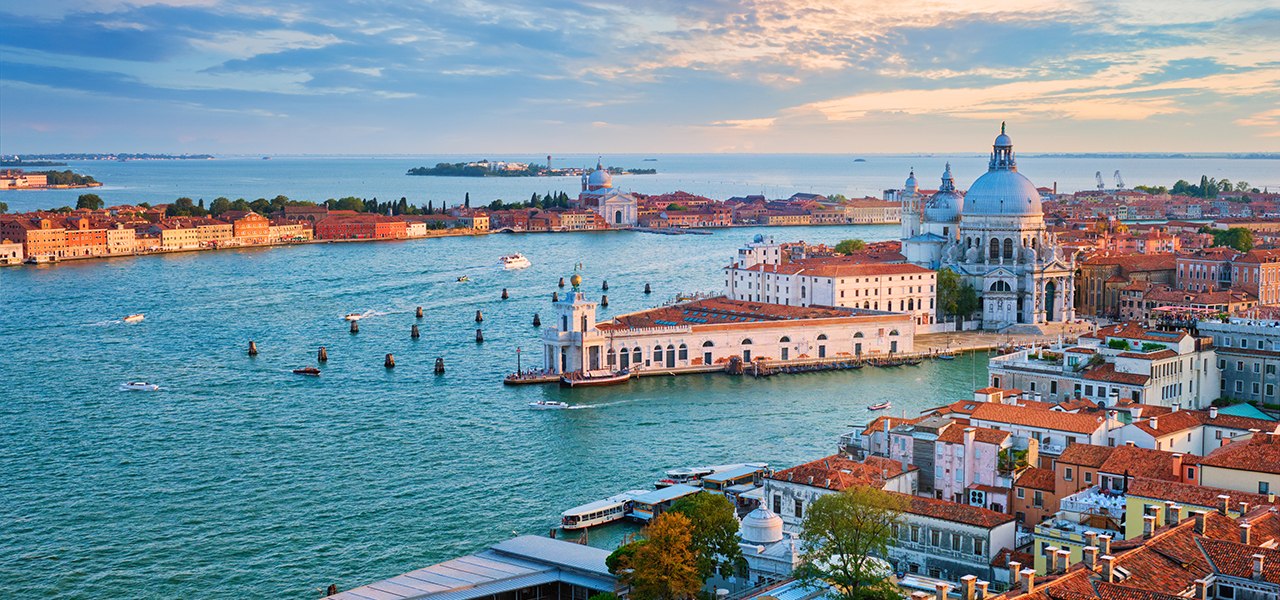
Italy’s cultural architecture is built around the family. Multigenerational living is normal, grandparents are structural participants in childcare, and families spend an average of 0% of their household budget on formal childcare costs — largely because the extended family absorbs it. For internationally relocating families, this translates into a social environment where children are welcomed, included, and treated as central to public life rather than an inconvenience.
Italian public schools are free and available to all resident children. Italy has a well-established network of international schools in Rome, Milan, Florence, and other major cities, covering British, IB, American, French, and German curricula. The country has 28 universities in the QS World University Rankings 2026 — the second largest number in Europe after the UK — giving children who settle long-term access to one of the continent’s deepest higher education ecosystems.
The cost of living in Italy is moderate compared to Northern Europe. The flat-tax regime — €300,000 per year on all foreign income for 15 years, with €50,000 per additional dependent — makes Italy one of the most structured tax environments for families with substantial global income.
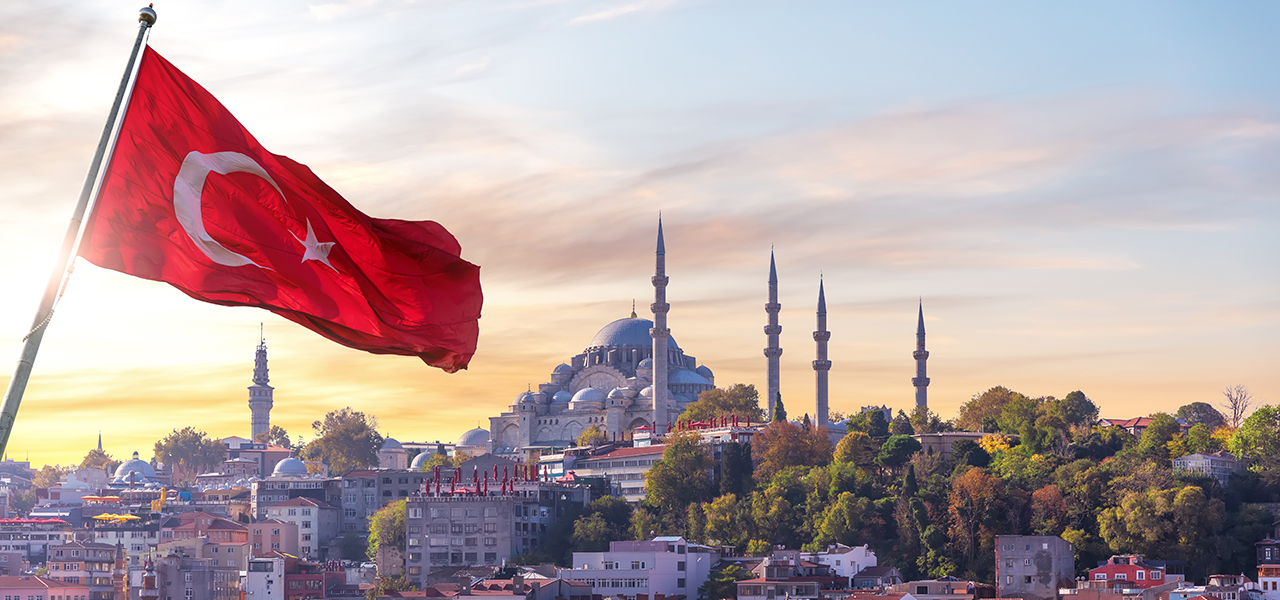
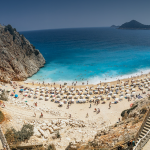
Turkey has become a practical relocation destination for families who want lower living costs, flexible residency access, and a strong informal family-support structure that reduces dependence on institutional childcare. Unlike Northern Europe, where childcare and schooling are heavily formalised and expensive, Turkey still operates on a mixed system where family networks, affordable private services, and domestic staff play a central role in daily family logistics.
One of the main drivers is cost structure efficiency for families. In cities like Istanbul or Izmir, full-time domestic help (nannies, cleaners, or live-in support) is significantly more affordable than in Western Europe. This effectively replaces formal childcare systems and reduces the need for institutional daycare, which is a major cost driver in countries like Germany, the Netherlands, or the UK.
Another key factor is education accessibility without high barriers to entry. International schools in Turkey are concentrated in major urban centres and offer British, American, IB, German, and French curricula. Compared to Western Europe, admission is often more flexible and waiting lists are shorter, especially outside peak expat districts. This makes mid-term relocation (3–10 years) more realistic for families who do not want educational disruption.
International private schools are widely available in Istanbul, Ankara, Antalya, and coastal cities, with English, French, and German instruction from approximately $3,000 per year.
A third driver is housing affordability relative to major EU cities. Even in Istanbul’s premium districts, families can access significantly larger living spaces compared to cities like Frankfurt, Paris, or Milan at equivalent cost levels. This spatial advantage is important for families with children, especially those relocating from dense urban environments.
Healthcare also plays a role: Turkey has a dual healthcare system with strong private hospitals, particularly in Istanbul and Ankara. Private healthcare is widely used by both locals and expatriates due to shorter waiting times and modern infrastructure, which makes day-to-day family healthcare management more predictable than in overloaded public systems.
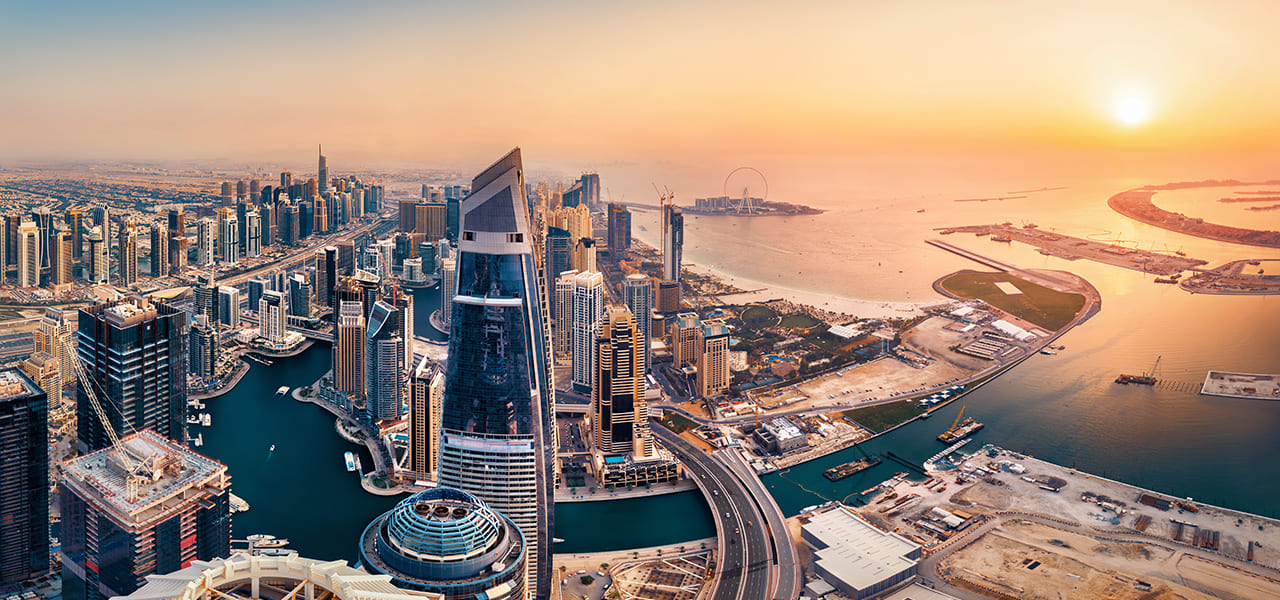
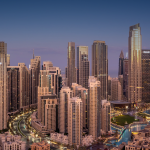
Dubai’s population is more than 90% expatriate. The city does not have a domestic population in the conventional sense — it is built almost entirely around the international community, and its infrastructure reflects that reality completely. For families arriving with children, the question is not whether an international school exists. It is which of the 220+ schools, across 17 curricula, fits your child’s academic pathway.
The Knowledge and Human Development Authority (KHDA) regulates all private schools in Dubai, publishes annual inspection ratings from Weak to Outstanding, and caps fee increases — giving parents a clearer quality benchmark than exists in most other international school markets. Of the 227+ schools operating in 2026, 17 hold the highest Outstanding rating. The British curriculum accounts for approximately 40% of all places; IB, American, Indian (CBSE), French, and German programs are all available across multiple campuses. Annual fees range from AED 15,000 to AED 120,000+ (approximately $4,000–$33,000) depending on curriculum, grade level, and school tier.
Crucially, children in Dubai grow up in a genuinely international environment. Most school campuses enrol students from dozens of nationalities simultaneously, and social circles form across passport communities rather than within them — a distinct advantage for globally mobile families.
Healthcare in Dubai and Abu Dhabi is international-standard, heavily private, and well-regulated. The UAE has no income tax, so families do not face the salary compression that often reduces effective healthcare and school budgets in high-tax environments.
Turkey is the only program in this guide that delivers full citizenship — not residency — directly through a real estate investment, for a family, within as little as 8 months.
Turkish citizenship gives the entire family a second passport with visa-free access to 110+ countries, including Japan, South Korea, Singapore, and Hong Kong. There is no residency requirement — the property must be held for 3 years, but the family does not need to live in Turkey. Dual citizenship is fully permitted; existing passports are not affected. For families from countries with travel restrictions, the Turkish passport dramatically expands mobility immediately — which is often the primary driver of the investment.

Relocating a family through a residency or citizenship by investment program is less about choosing a country in isolation and more about aligning three core dimensions: lifestyle structure, legal mobility, and long-term fiscal positioning. The most effective decisions are made sequentially, not emotionally — starting with how the family actually lives day-to-day, then narrowing into legal frameworks, and only then selecting the investment route.
Before comparing countries, families typically need to clarify how they function structurally:
Education is often the anchor variable in relocation planning.
Families should evaluate:
Tax design increasingly determines relocation success for internationally active families:
This step ensures the chosen jurisdiction supports wealth preservation rather than creating hidden long-term friction.
Finally, families align execution mechanics:
Timing is critical — many programs operate on threshold-based systems that are periodically revised upward, meaning delay can materially change entry cost.
Family relocation is no longer driven solely by lifestyle aspirations. For internationally mobile families, it has become a strategic decision that combines education access, legal mobility, healthcare quality, tax exposure, and long-term security into a single framework.
What matters most is choosing a solution that works not only for the main applicant, but for the entire family ecosystem: children’s education pathways, healthcare access, mobility needs, and wealth preservation over the next decade — not just the next visa renewal cycle.
Astons works with internationally mobile families to identify the most suitable residency and citizenship pathways based on education needs, tax considerations, investment preferences, and relocation objectives. From country selection and due diligence to application management and settling-in support, the process is structured around helping families relocate with clarity and long-term security in mind.

 Learn more
Request a Free Consultation
Book a free consultation today and let our specialists help you choose the best country for your family
Send a RequestAuthor

Susanna Uzakova
Senior Citizenship & Residency Advisor
Suzanna Uzakova is an international specialist and a leading expert at the company in the field of investment immigration.
Learn more about the authorShare


Related Articles
schedule a Meeting
Let’s Discuss the Details
Our expert will create a tailored solution based on your needs within 24 hours.

Susanna Uzakova
Senior Citizenship & Residency Advisor
 Your Data is Protected
Your information is handled under strict privacy policies.