The 2026 global investment outlook reflects a clear shift: investors are no longer focused purely on returns, but on securing access, stability, and flexibility across jurisdictions. As tax regimes evolve and geopolitical risks persist, investment in real estate linked to residency or citizenship is gaining traction in countries such as Greece, Cyprus, Malta, the United Arab Emirates, and Turkey, as well as across Caribbean programs. These options combine income potential with legal status in another country, offering both capital preservation and global mobility. Below, we break down the key destinations, investment thresholds, and strategic advantages shaping investor demand in 2026.
Key Takeaways
Access over returns. Mobility and jurisdictional flexibility are now primary decision drivers, often outweighing pure ROI
Asset-backed preference. Real estate is increasingly favoured over donation-based routes due to capital preservation and income potential
Europe vs Caribbean divide. EU programs offer long-term stability and Schengen access, while Caribbean options deliver speed and global reach
Tax efficiency matters. Jurisdictions such as the United Arab Emirates and Cyprus attract investors with favourable tax regimes
Multi-jurisdiction strategies. Investors are increasingly combining residency and citizenship programs to maximise flexibility
2026 Residency & Citizenship by Property Investment Comparison
Country
Type
Minimum Investment
Timeline
Greece
Residency
€250,000
~4+ months
Cyprus
Permanent Residency
€300,000
~8+ months
Malta
Permanent Residency
€169,000
~9 months
United Arab Emirates
Residency
No minimum entry requirement
~2–4 weeks
Turkey
Citizenship
$400,000
~8+ months
Turkey
Residency
$200,000
~2+ months
Antigua and Barbuda
Citizenship
$300,000
~8+ months
Grenada
Citizenship
$270,000
~6+ months
Saint Lucia
Citizenship
$300,000
~10–12 months
Dominica
Citizenship
$200,000
~4–6 months
The 2026 Investment Migration Landscape: Why Real Estate Wins
In 2026, investors are moving away from purely financial instruments toward strategies that combine capital preservation with lifestyle optionality. Unlike funds or donations, real estate provides both security and utility — you can live in it, rent it, or resell it.
Key reasons why property-backed programs dominate the current investment outlook:
Tangible asset with long-term appreciation potential
Ability to generate rental income (often 4–10% depending on location)
Access to residency or citizenship rights
Hedge against currency volatility and regional instability
Portfolio diversification across jurisdictions
At the same time, regulatory pressure is increasing globally. Governments are tightening due diligence and raising entry thresholds, meaning early entry into established programs remains a strategic advantage.
Top European Destinations: Residency with ROI
Europe continues to dominate the global investment outlook due to its stability, legal protections, and access to the Schengen Area. However, entry conditions have evolved, making it essential to choose the right jurisdiction.
Greece
Greece’s Golden Visa, launched in 2013 to attract foreign capital after the global financial crisis, remains one of the most competitive options in 2026. With a starting threshold from €250,000 — below the typical €300,000–€500,000 seen across the EU — it is widely considered one of the most accessible pathways to European residency.
By investing in Greek real estate, applicants and their families receive a renewable 5-year residence permit. The program does not require mandatory residence and allows investors to generate rental income, while also benefiting from visa-free travel across the Schengen Area.
Key Benefits
Growing Mediterranean real estate market
Approval in ~4+ months
No minimum stay requirement
Family inclusion (spouse, children up to 21, parents)
Visa-free Schengen travel (90/180 rule)
Rental income allowed (long-term leases)
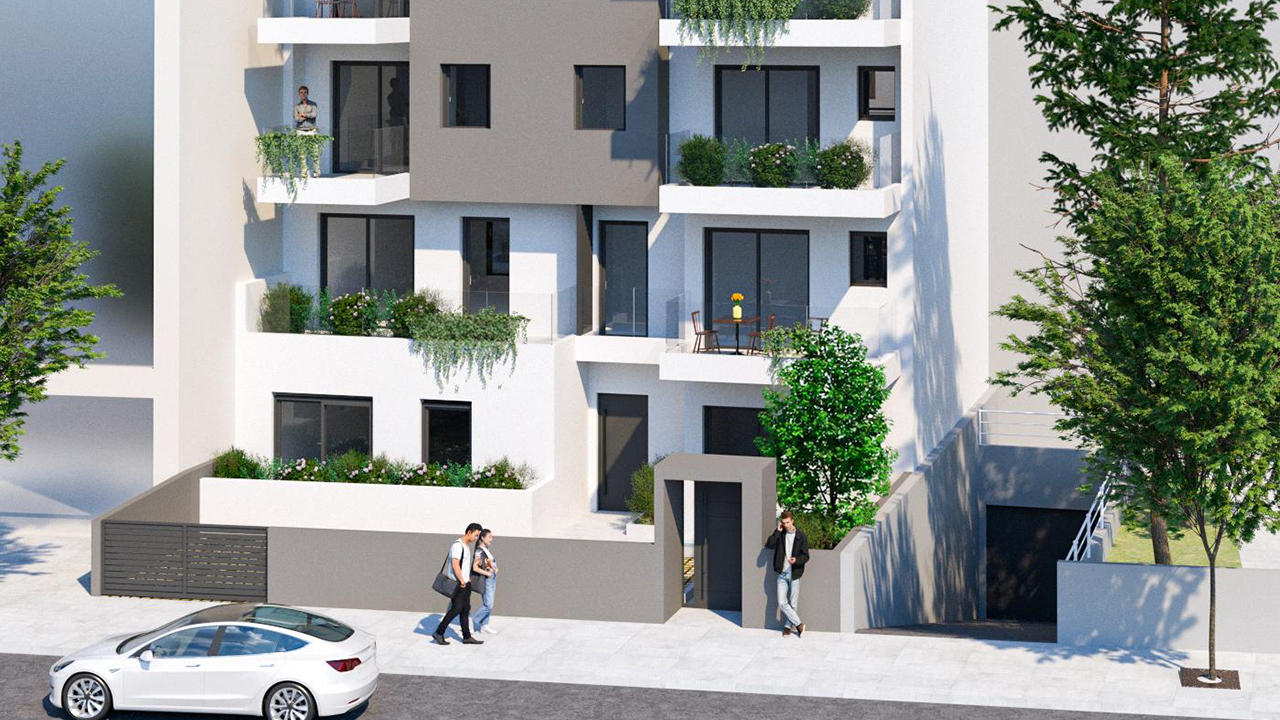
Read here how an investor secured residency in Greece through a strategic property purchase in Piraeus — combining rental income with Schengen mobility.
Investment Options
Greece offers several entry routes depending on the type and location of the property:
€250,000 — Converted or Renovation Projects
Residential units converted from commercial use or historic buildings
No minimum size requirement
Available across all regions of Greece
€400,000 — Standard Regions
Applies to areas such as the Peloponnese and Halkidiki
Single property purchase (minimum 120 m²)
€800,000 — Prime Locations
Applies to Attica (including Athens), Thessaloniki, Mykonos, Santorini, and densely populated islands
Single property purchase (minimum 120 m²)
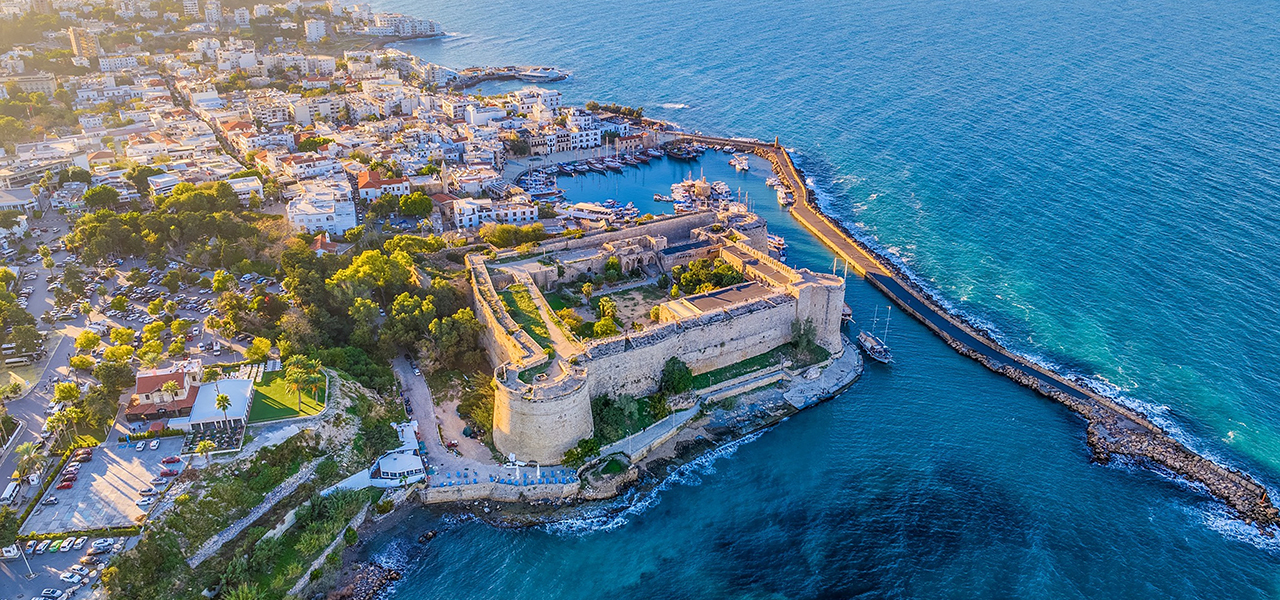
Cyprus
With a minimum investment of €300,000 + VAT in new developer property, investors can secure permanent residency — a rare lifetime status within the EU.
The program is designed for simplicity and long-term planning. There is no requirement to live in Cyprus permanently, and residency is maintained with just one visit every 2 years. In addition, Cyprus is progressing toward joining the Schengen Area, which could further enhance mobility in the near future.
Key Features
Permanent residency (lifetime status)
Investment from €300,000 in new real estate
Processing time from ~8+ months
No minimum stay requirement (visit once every 2 years)
Family inclusion (spouse and children up to 25)
Access to EU banking, education, and healthcare
Favourable Non-Dom tax regime — 0% tax on dividends, passive interest, and, in many cases, capital gains for up to 17 years
Investment Requirements Explained
Multiple units allowed under one application
Property can generate rental income
Proof of annual income: €50,000 + €15,000 (spouse) + €10,000 per child
Malta
Under the Malta Permanent Residence Programme (MPRP), investors can secure lifetime residency from €169,000. The scheme grants permanent residency with no obligation to live in Malta, while allowing visa-free travel across the Schengen Area.
Key Features
Processing time from 9 months
No minimum stay requirement
Full family inclusion (spouse, children, parents, grandparents)
Visa-free Schengen travel (90/180 rule)
Investment Options Explained
To qualify, applicants must choose between renting or purchasing real estate, with total investment thresholds already including all government fees and contributions:
€169,000+ (rental option) — lease property for 5 years (min. €14,000/year)
€474,000+ (purchase option) — buy property from €375,000
As part of the program requirements, applicants must also demonstrate assets of at least €500,000 (with a portion held in financial assets).
Astons submits Malta residency by investment applications through a licensed local program agent (License No. RES-IMMV) to the government-appointed Residency Malta Agency.
Middle East: UAE and Turkey in Focus
United Arab Emirates
Investors can obtain residency by purchasing property, with options ranging from a 2-year visa in Dubai to a 10-year Golden Visa available across all emirates. The process is fast — often completed within 2+ weeks — and requires only one visit for medical checks and biometrics.
Property purchase in Dubai, renewable every 2 years — minimum threshold has been removed, as of April 2026
$545,000+ (10-year Golden Visa) — property in any emirate, renewable every 10 years
Key conditions:
Property must be located in a freehold zone
Ownership must be maintained to retain residency
Property can be rented out for income generation
Turkey
Turkey offers a flexible two-track model, allowing investors to choose between residency or citizenship by property investment.
Residency through Real Estate
Investors can obtain a renewable short-term residence permit (Ikamet) by purchasing residential property in Turkey. This option is designed for those who want to live in the country or maintain a legal base without committing to a higher investment threshold.
Investment from $200,000
Renewable residence permit (typically issued for 1–2 years)
Must maintain ownership to renew status
Suitable for living in Turkey and accessing local services
A spouse and children can also obtain residency
Processing time: 2+ months
Citizenship by Investment
For investors seeking a second passport, Turkey offers one of the fastest citizenship programs globally through real estate acquisition.
$400,000+ property investment
Property must be held for at least 3 years
Citizenship typically processed in 8+ months
Includes spouse and children under 18
No residency requirement
Recent procedural updates allow investors to complete biometrics and submit both residence and citizenship applications in a single visit, simplifying the process significantly.
The Caribbean Pivot: Fast-Track Citizenship through Property
The Caribbean dominates the citizenship by investment segment — particularly for a large list of potential visa-free destinations. Several programs allow investors to obtain a passport through approved real estate projects.
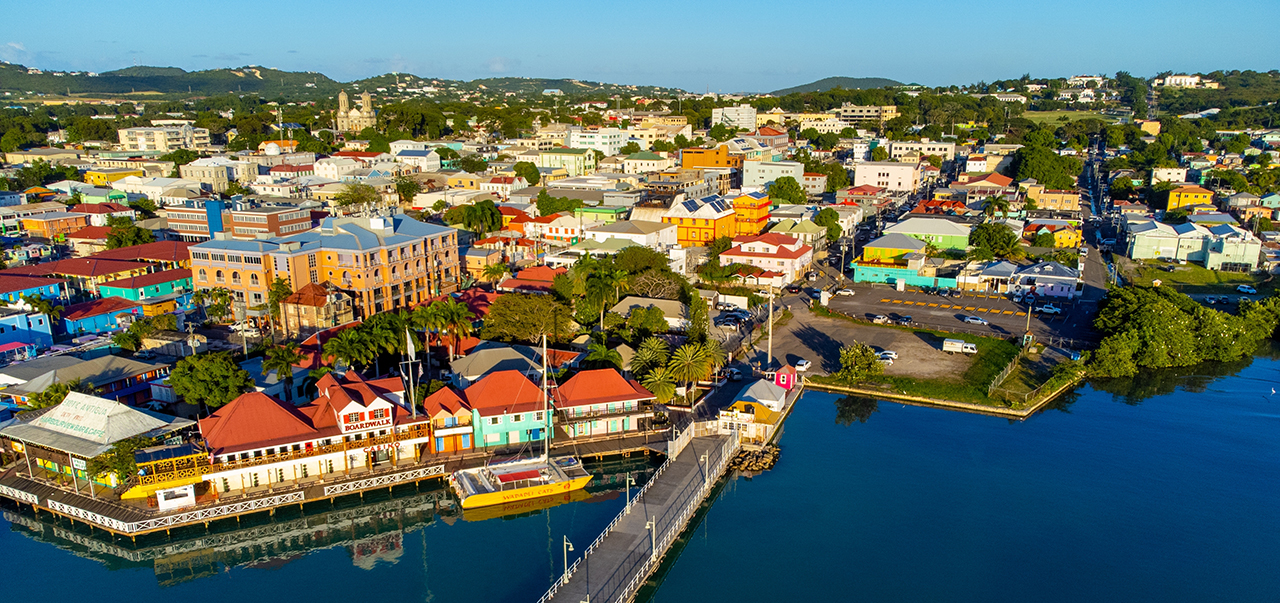
By investing in government-approved property, applicants can get Antigua and Barbuda citizenship in as little as 8 months. The program is highly flexible, requiring no permanent residence — only a short 5-day visit within the first 5 years — making it easy to maintain alongside other commitments.
Key Features
Citizenship from $300,000 (real estate route)
Visa-free travel to 150+ countries (including the UK and Schengen Area)
Full family inclusion (spouse, children, parents, grandparents, siblings)
0% tax on global income, capital gains, and inheritance
Ability to retain citizenship after selling the property
Eligible properties typically include hotels, resorts, and branded residences
Potential rental yield: ~2–5% annually
Grenada
By investing in government-approved property, applicants can get citizenship of Grenada in as little as 6 months.
Key Features
Citizenship from $270,000 (real estate share in approved developments)
Alternative option: $350,000+ for full property ownership outside standard tourism shares
Visa-free travel to 145+ countries (including the UK, Schengen Area, and China)
Eligibility for the US E-2 Investor Visa
Full family inclusion (spouse, children, parents, grandparents, siblings)
No residency or physical presence requirement
Ability to retain citizenship after selling the property (after the 5-year holding period)
Saint Lucia
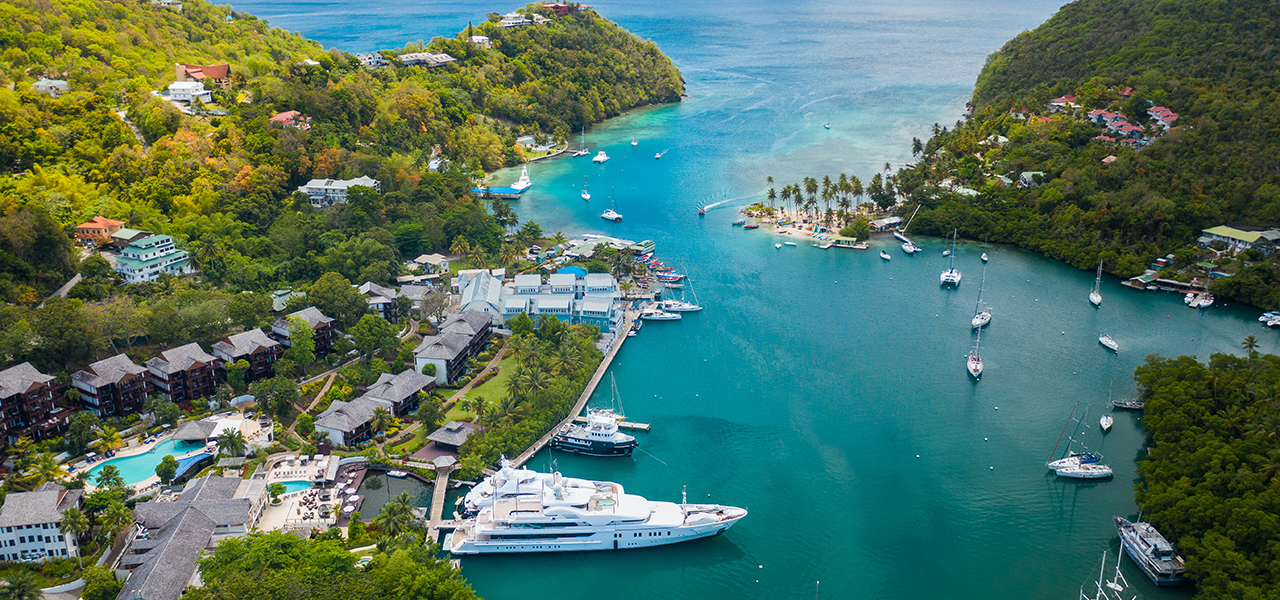
By investing in real estate from $300,000, one can participate in the Saint Lucia immigration program. The processing time is approximately 10-12 months.
Key Features
Visa-free or visa-on-arrival access to 145+ countries (including the Schengen Area)
Full family inclusion (spouse, children, parents, siblings)
No residency or physical presence requirement
Ability to retain citizenship after selling the property (after the 5-year holding period)
Investment in approved residential or commercial properties
Dominica
With an entry from $200,000, investors can obtain citizenship of Dominica in as little as 4 months, with no requirement to visit or reside in the country.
Key Features
Visa-free or visa-on-arrival access to 140+ countries (including Schengen and China)
Full family inclusion (spouse, children, parents, grandparents)
No residency or physical presence requirement
Ability to retain citizenship after selling the property (after the holding period)
Eligible properties include eco-resorts and government-approved hotel developments
Potential rental income and dividends during ownership
Choosing the right program in 2026 is no longer just about cost — it is about aligning your investment with a broader, long-term strategy. As the global investment outlook becomes more complex, investors are increasingly looking beyond returns to factors such as mobility, legal protection, and financial flexibility.
Real estate–linked residency and citizenship programs can deliver all three — but only if selected carefully. Each jurisdiction offers a different balance of access, tax exposure, and investment performance, so understanding the trade-offs is critical before committing capital.
At a strategic level, investors should focus on the following:
Mobility goals. Do you need access to the Schengen Area for business and lifestyle, or broader global visa-free travel? European residency programs and Caribbean citizenship options serve very different purposes.
Tax considerations. Some jurisdictions offer highly favourable regimes, including Non-Dom status or zero tax on foreign income, while others may trigger new reporting or residency obligations.
Investment quality. Not all properties are equal — location, developer credibility, and rental demand directly affect both returns and exit options.
Liquidity and exit strategy. Consider how easily the asset can be sold after the mandatory holding period, and whether the market supports capital appreciation.
Regulatory environment. Governments are actively adjusting thresholds and tightening compliance, so stability and predictability are key factors.
Timeline and objectives. Whether your goal is fast-track citizenship, long-term residency, or a backup plan will determine the most suitable program.
In many cases, the most effective approach is not choosing a single jurisdiction, but combining several — for example, pairing EU residency with a second passport for broader global access.
Conclusion: Real Estate as a Strategic Asset for Global Mobility
Investors are no longer viewing property purely as a yield-generating asset — it is increasingly a tool for securing international mobility and long-term optionality.
Real estate-backed residency and citizenship programs stand out because they combine multiple advantages in a single structure. Unlike traditional investments, they provide both a physical asset and a legal status — allowing investors to diversify not only their portfolios, but also their geographic and regulatory exposure.
At the same time, the window of opportunity is gradually narrowing. Governments are raising minimum investment thresholds, limiting eligible property types, and strengthening due diligence requirements. Investors who act earlier are more likely to secure favourable entry conditions and access to the best-performing assets.
Astons provides end-to-end support across this entire process — from sourcing high-quality, investment-grade properties to structuring applications and ensuring full compliance with local regulations.
Contact us to receive a tailored selection of opportunities, a personalised investment strategy aligned with your goals, and expert guidance on the most relevant residency and citizenship programs available in 2026.
Learn more
Request a Free Consultation
Book a free consultation today and let our specialists help you choose the best country for your family





































 +44 207 043 6026
  +357 252 30233
  +971 454 01311
  +902 129 008 710
  +302 112 340 656
  +1 (888) 2033901


 10-MINUTE READ
  750 views
  Share
Share 












 Learn more






 Your Data is Protected