














 +44 207 043 6026
  +357 252 30233
  +971 454 01311
  +902 129 008 710
  +302 112 340 656
  +1 (888) 2033901


How to Get Malta Residence
-
 23-MINUTE READING
 -
1,710 views
-
Share
 23-MINUTE READING
 1,710 views
 Share
Share
Susanna Uzakova
Senior Citizenship & Residency Advisor
- Last edited: April 29, 2026
Obtaining residence in Malta provides a legal foundation for living in of the European Union’s most stable and internationally connected jurisdictions. With resident status, foreigners gain the right to stay on the island long term while also enjoying visa-free travel throughout the Schengen Area for short stays. For many individuals and families, it represents both a lifestyle opportunity and a strategic foothold in Europe.
Malta offers several immigration pathways depending on a person’s goals, professional situation, and financial resources. Some residence permits are linked to employment, study, or entrepreneurship, while others are designed for financially independent individuals or international investors seeking permanent status. Understanding the difference between these options is essential before starting an application.
Below we outline the main routes to obtaining Maltese residence, their core requirements, and what applicants should expect during the process.
Holding a Maltese residence permit allows visa-free travel throughout the Schengen Area for short stays up to 90 days within any 180-day period. For frequent travellers, this mobility is one of the most practical advantages of Maltese residency. Entry into Schengen states generally requires only a valid passport and Maltese residence card, without the need to justify the purpose of travel or submit supporting documents for each trip.
Many Maltese residence programs allow the main applicant to include close family members in the same application. In most cases, this includes a spouse and dependent children, while certain programs also permit the inclusion of parents or grandparents. Family members typically receive the same residence status and rights as the main applicant, allowing them to live in Malta and travel within the Schengen Area under the same conditions.
English is an official language in Malta. This removes the barriers that foreigners often face, for example in Italy or Spain, where the local language is predominantly used. Documents can be submitted in English, communication with government authorities is straightforward, children have access to schools following the British curriculum, and professionals have opportunities to work in international companies. None of the residence programs requires passing a language exam.
Malta consistently ranks among the top 20 safest countries in the world. Crime levels are minimal, and attitudes toward foreigners are welcoming. The island also offers a mild climate, more than 300 sunny days a year, and well-developed healthcare and education systems. The cost of living is comparable to continental Europe, while the average salary is higher than, for example, in Portugal or the Czech Republic.
Unlike many EU countries, Malta generally follows clearly established application processing timelines without systemic delays. Refusals are rare and occur for objective reasons: falsified documents, unverified income, or a criminal record. When the requirements are met, the likelihood of approval is high.
Malta residence is not simply the right to live on the island. It is a legal entry point to Europe for the entire family, access to international banks, and European healthcare and education. For many, it is also a safeguard in case of emergency.
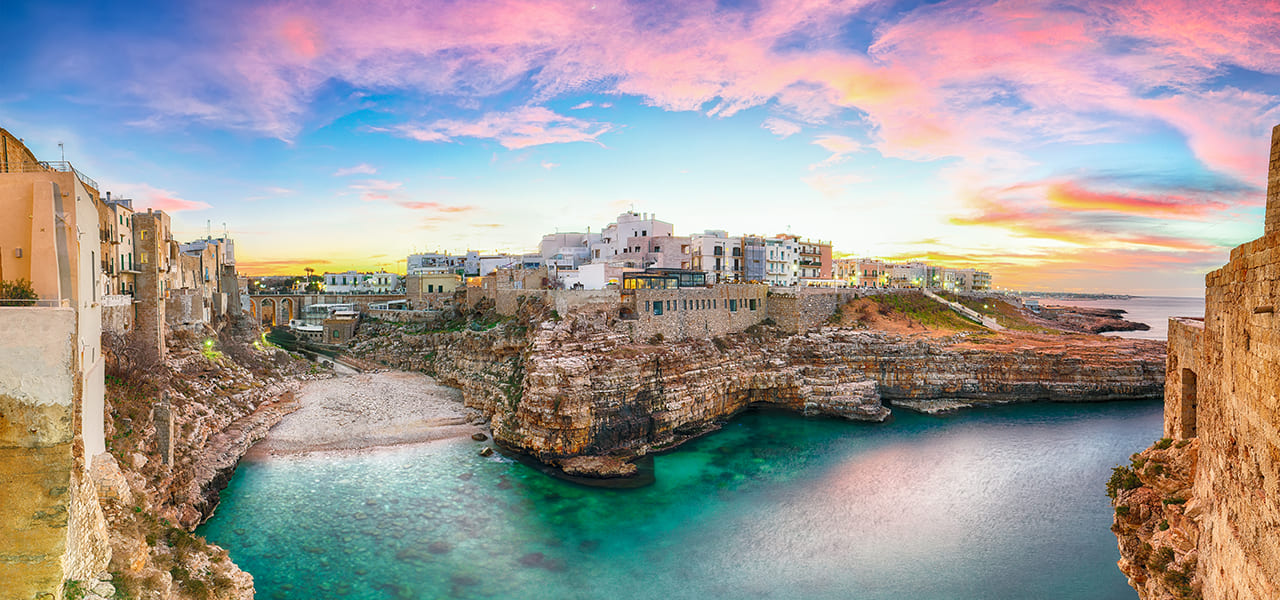
The Malta Permanent Residence Programme (MPRP) is designed for third-country nationals who wish to obtain permanent residence in Malta through investment. Unlike many European residence schemes, the program grants permanent status from the outset rather than temporary residency that must later be converted. Applicants are not required to live in Malta to maintain their status, although they must retain qualifying property and meet the program’s financial obligations.
The program is administered by the Residency Malta Agency, which conducts a comprehensive Due Diligence process to verify the applicant’s background, financial standing, and source of funds. Once approved and the required investments are completed, the applicant and eligible family members receive permanent residence cards that allow them to live in Malta and travel within the Schengen Area under the standard 90/180-day rule.
To obtain Malta permanent residence through investment, the applicant must meet several conditions:
To obtain Malta permanent residence, the investor must choose one of the following options:
Regardless of the chosen option, the following mandatory payments apply:
The applicant must demonstrate assets of at least:
Financial assets include shares, bonds, publicly traded securities, investment funds, and bank deposits. Cryptocurrency is not accepted.
Applications may only be submitted through a licensed agent, and Due Diligence is conducted by the Residency Malta Agency. Processing time is from 9 months: if the document package is complete and checks are successfully passed, the applicant receives a preliminary approval letter and must fulfil the investment requirements within 8 months.
From 2025, a temporary residence card is issued during the review period, allowing legal stay in Malta.
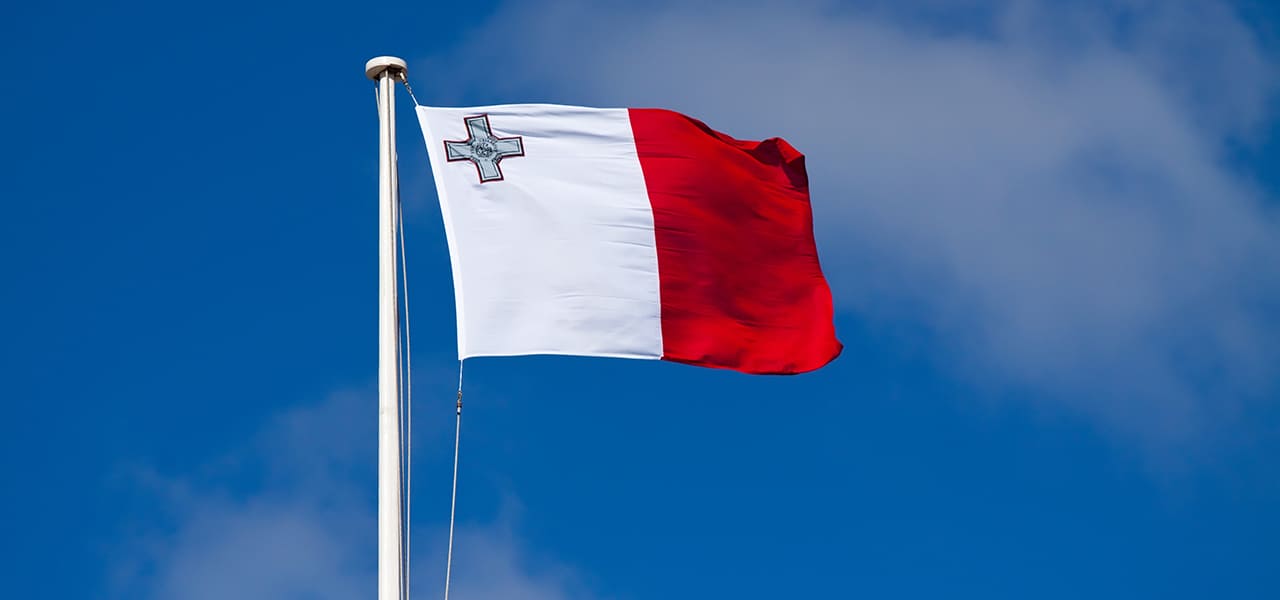
For financially independent individuals, Malta offers the Global Residence Programme (GRP).
Entry fee: €6,000. The main requirement is renting or purchasing property:
Additionally, the applicant must confirm the availability of funds in bank accounts and regular legal income.
To maintain status, the applicant must not reside in another country for more than 183 days per year, must maintain ownership or rental of property, and must renew the residence permit annually. Under the preferential Res Non Dom tax regime, foreign income remitted to Malta is taxed at 15%. The minimum annual tax payable is €15,000.
Status is issued not only to the applicant but also to family members: spouse, minor children, financially dependent adult children, and parents.
Applications cannot be submitted independently – a licensed agent accredited by the Residency Malta Agency is required. Preparation takes about one month, application review 1.5–2 months. Residence is issued for 1 year with the right of renewal.
Residence in Malta can also be obtained through employment. The main mechanism for this is the Single Permit, a combined residence and work authorisation issued to foreign nationals employed by Maltese companies.
In most cases, the employer submits the application on behalf of the employee. The permit is typically issued for one year with the possibility of renewal, provided the employment relationship continues. Because the permit is linked to a specific employer, changing jobs usually requires submitting a new application.
The main option for foreigners who are employed by a local company. The company must be accredited with the National Employment Agency: in this case, the employer submits the residence application for the employee. Status issued to a specific employer remains valid only while the foreigner works for that company — if employment ends, the residence permit must be applied for again from the beginning.
An option for foreigners transferred to Malta to work in a branch of a foreign company (for example, a subsidiary). Managers and specialists receive residence for 1–3 years, trainees for 1 year, with the right of renewal.
Residence for highly qualified professionals (usually in IT and finance). The employee’s salary must be at least 1.5 times higher than the national average (approximately €3,000 per month).
This type of residence requires obtaining a special work licence. It can be issued if the applicant:
Residence is issued for 1 year, then may be extended for another 3 years.
Residence for foreign employees of hotels, farms, or agricultural enterprises. Maximum stay — 9 months per year. Extension is not provided.

A residence permit for digital nomads is available to foreigners planning to relocate to Malta and working remotely for a company outside the island. To maintain status, they must spend at least 183 days per year in Malta.
Digital Nomad status does not grant the right to work for a local employer, and time spent in Malta under this residence type does not count toward the naturalisation period for citizenship.
The main applicant must be an adult, have no criminal record, and must not be a citizen of an EU or EEA country. It is necessary to confirm remote employment with income from €3,500 per month, obtain local health insurance, and purchase or rent long-term accommodation in Malta.
Together with the main applicant, the application may include a spouse, minor children, and children over 18 if unmarried and financially dependent on the parents.
Residence is issued for 1 year and can be renewed for the same period up to 3 times (maximum 4 years in total).
Digital nomads receive tax benefits:
Important:

with Digital Nomad residence, it is not permitted to work with Maltese companies or provide services to local residents as a self-employed person or freelancer.
To legalise residence through starting a business, one of the following conditions must be met:
The residence permit is issued for 3 years with the right to extend for another 5 years. To maintain status, it is necessary to live in Malta for at least 183 days per year. A spouse and children may be included in the application together with the main applicant.
It is also possible to simply open a new business in Malta. This requires investing at least €100,000 in share capital, confirming the presence of higher education, preparing a detailed business plan, and obtaining approval from the Malta Entrepreneurship Committee. It is also necessary to create at least 3 jobs for local citizens.

Family residence permits may be obtained by spouses, minor children, and children over 18 who are financially dependent, if their relative is a citizen of Malta or holds resident status on the island.
The main applicant acts as the sponsor: they must confirm stable income and must have lived in Malta for at least one year. The residence permit is issued for 1 year or for a period equal to the validity of the sponsor’s residence permit.
After 5 years, family members may apply for their own independent residence permit (issued for one year with the right of renewal).
Student residence permits in Malta are issued to foreigners enrolled in an accredited educational institution (university, college, school, or courses lasting from 3 months). To apply, it is sufficient to provide confirmation of enrollment. Status is valid for the duration of the educational contract or for 1 year. It may be renewed if studies continue.
Student residence allows part-time work (up to 20 hours per week), provided permission is obtained from the National Employment Agency.

The Malta Retirement Programme is an option for those who wish to live on the island after retirement and pay tax at a reduced rate. The main condition is that at least 75% of the applicant’s total income must come from pension sources.
Another requirement is the purchase or rental of property in Malta. In the south of the island or in Gozo, the minimum rental amount is from €8,750 per year, and purchase from €220,000. In more expensive regions, from €9,600 per year for rent and from €275,000 for purchase.
In addition to housing, health insurance and confirmation of knowledge of English or Maltese are required. No formal testing is needed, just an interview or certificate is sufficient.
The permit is issued for 5 years with the right of multiple renewal. To maintain status, it is necessary to spend at least 90 days per year in Malta.
The basic set of documents is the same for most programs. Only documents confirming the grounds for relocation differ.
Basic document package:
Additional documents confirming the basis for residence will also be required: employment contract, proof of enrolment, marriage certificate, birth certificates, etc.
All documents in foreign languages must be accompanied by a certified translation into English or Maltese. Apostille is mandatory for criminal record certificates, marriage certificates, birth certificates, and educational documents.
Foreign nationals who reside legally in Malta may become eligible for permanent residence after five years, provided they maintain continuous lawful residence and meet basic interrogation requirements. Applicants must demonstrate stable income, suitable accommodation, and compliance with local regulations.
Citizenship in Malta is generally obtained through naturalisation. This typically requires at least five years of residence, including a continuous period before the application, as well as evidence of good character and a genuine connection to the country.
The path to permanent residence lies through naturalisation or domicile. Permanent residence may be obtained if a person has legally lived in Malta for 5 years, without leaving for more than 6 consecutive months or 10 months in total over the entire 5-year period. It is also necessary to confirm annual income of €20,000 (+20% for each family member, if applicable), successfully complete integration courses (score at least 75), and know English.
All these requirements do not apply to foreigners obtaining Malta permanent residence through investment: the MPRP program grants permanent status immediately, without the need to pass through the temporary residence stage.
Naturalisation is the main way to obtain a Maltese passport for those who do not have Maltese roots and are not married to a Maltese citizen.
Conditions:
After meeting these requirements, the application is reviewed by the Community Malta Agency. Processing times are not strictly regulated and depend on the agency’s workload.
Previously, Malta operated an investment citizenship program (“golden passport”), but it was closed in 2025. Today, citizenship for exceptional merit may be granted for outstanding contribution to science, culture, sport, the economy, or charity. Investments alone are no longer grounds — real benefit to the country is assessed. Residence and language requirements do not apply in such cases, but the evidentiary threshold is extremely high, and decisions are made individually and are not guaranteed.
Malta recognises dual citizenship: there is no need to renounce your original passport. Children born after parents’ naturalisation automatically receive citizenship.
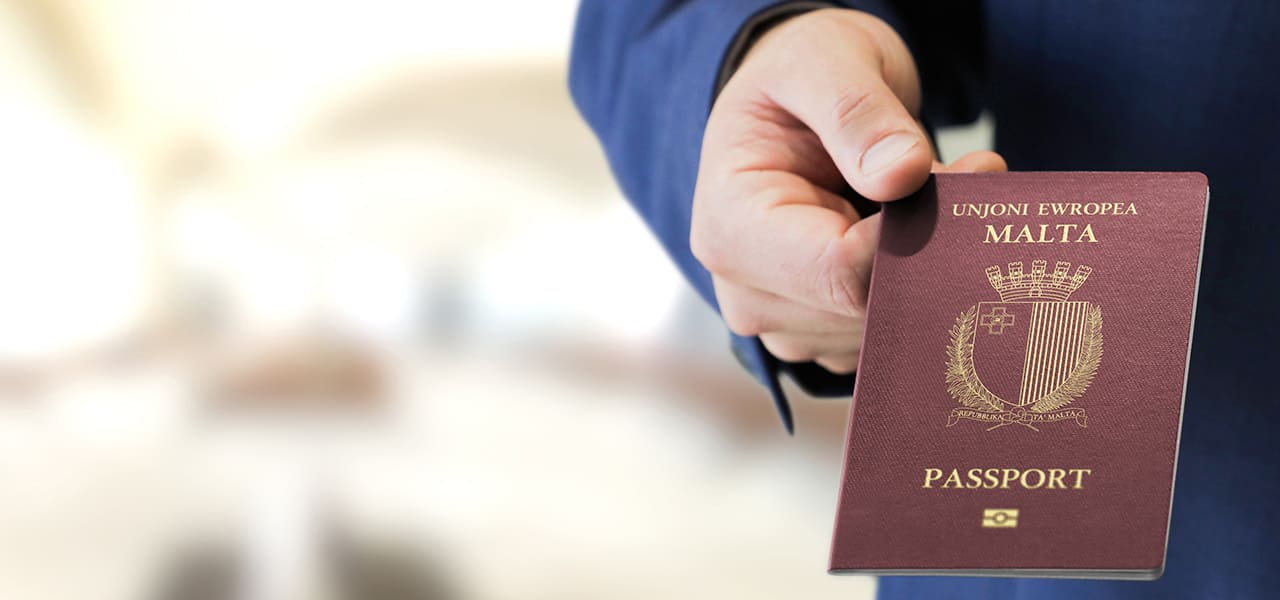
Malta provides several residency pathways designed for different profiles, including investors, employees, entrepreneurs, retirees, and digital nomads. Each route comes with its own eligibility criteria and long-term considerations.
For investors seeking stability and flexibility, the Malta Permanent Residence Programme offers one of the most straightforward routes to permanent residency in Europe.
With expert guidance, applicants can navigate the process efficiently and select the pathway that best aligns with their personal and investment objectives.
Astons is a reliable partner in obtaining Malta permanent residence through investment. We submit applications through a licensed local agent accredited by the Residency Malta Agency (licence number RES-IMMV). If you are interested in program details, contact our experts for a free consultation — we will answer all questions and select a solution tailored specifically to you.
 Learn more
Request a Free Consultation
Book a free consultation today and let our specialists help you choose the best country for your family
Send a RequestAuthor

Susanna Uzakova
Senior Citizenship & Residency Advisor
Suzanna Uzakova is an international specialist and a leading expert at the company in the field of investment immigration.
Learn more about the authorShare


Related Articles
schedule a Meeting
Let’s Discuss the Details
Our expert will create a tailored solution based on your needs within 24 hours.

Susanna Uzakova
Senior Citizenship & Residency Advisor
 Your Data is Protected
Your information is handled under strict privacy policies.